Jul 27 → Aug 10, 2027 · ±2 daysSloans · starter guide22 ideas · 75 photos

Türkiye Summer 2027

A first-pass family guide for Kevin and Ashley to review together — Istanbul, Cappadocia and Bodrum. Deep culture and food, plain explanations, nothing booked yet. Tap ♡ on anything you love.

Trip at a glance

Nothing is booked. Dates, hotels, flights and activities are a proposed plan you can shift by a couple of days. Prices below are Nov 8, 2026 research estimates unless a ticket is marked as checked on an official site (those checks are Nov 9, 2026).

DatesTue Jul 27 – Tue Aug 10, 2027 (±2). 14 nights.
RouteIstanbul 6 nights → Cappadocia 3 → Bodrum 4 → Istanbul 1.
WhoKevin & Ashley, Ryder (14), Rowen (11→12), Hazel (9→10), Crew (6→7).
BudgetAbout $18,000–20,500 all-in for six. Research estimate, not a quote.
FlightTurkish Airlines TK202 is the Denver–Istanbul nonstop (~12 hours). Leave DEN the evening before you want to land (so a Jul 27 arrival means a Jul 26 evening departure).
Jet lagTürkiye is 9 hours ahead of Denver in summer (TRT UTC+3, MDT UTC−6). Eastbound is the harder direction — keep the first two days light.
EntryU.S. ordinary passports are visa-exempt for tourism up to 90 days in any 180-day period. An e-Visa is not needed for that passport type. Check every passport in the group.
WeatherHot. Plan early starts and a real afternoon rest. Istanbul is humid; Cappadocia is dry with cooler nights; Bodrum is sunnier and often hotter, with a warm Aegean sea.
💱 $1 USD ≈ 50.20 Turkish lira (TRY) · 100 TRY ≈ $1.99 · €1 ≈ $1.12 ≈ 56.25 TRY
$10 ≈ 502 TRY$20 ≈ 1,004 TRY$50 ≈ 2,510 TRY$100 ≈ 5,020 TRY500 TRY ≈ $9.961,000 TRY ≈ $19.922,750 TRY ≈ $54.78
Mid-market rate 50.2021 TRY and 0.8924 EUR per USD from ExchangeRate-API open feed (USD base) — source last updated Nov 9, 2026 5:02 PM MT (America/Denver); checked by us Nov 9, 2026. Not live — ATMs, exchange counters and cards will differ and may add fees. Some official tickets are priced in euros and collected in lira at the operator’s own rate.

Flag of Türkiye Get to Know Türkiye

Quick facts with sources. Cards stay open so you can read them with the kids.

👥 People & population

86.09 million people as of the end of 2025, according to TÜİK (TurkStat) and reported by Anadolu Agency. Most people live in cities. Istanbul is by far the largest city; the capital is Ankara.

🗣️ Languages

The official language is Turkish. You’ll also hear Kurdish and other languages, and English in hotels, museums and many restaurants in the tourist centers. A few Turkish words go a long way in bakeries and taxis.

🏛️ Government

A presidential republic. The capital is Ankara, not Istanbul. Recep Tayyip Erdoğan is president (as of this guide). Everyday travel advice: be polite about politics, and don’t treat a visiting day as a time to debate the government with strangers.

🕌 Religion & beliefs

The large majority of people are Muslim, mostly Sunni, and you’ll hear the call to prayer five times a day. The constitution is secular, and practice varies widely from person to person. There are also Alevi Muslims and small Christian and Jewish communities. Working mosques welcome respectful visitors outside prayer times.

📜 History in 60 seconds

Anatolia has been home to Hittites, Greeks, Romans and many others. Constantinople (now Istanbul) was the capital of the Eastern Roman / Byzantine Empire and, after 1453, of the Ottoman Empire. The Republic of Türkiye was proclaimed on 29 October 1923 under Mustafa Kemal Atatürk; the capital moved to Ankara, and the alphabet switched to Latin letters a few years later.

🎓 Education

Schooling is compulsory for 12 years. Literacy is high by regional standards (TÜİK has reported adult literacy in the mid-to-high 90s percent in recent yearbooks). Kids learn English as a foreign language in school; they may be shy but often understand more than they speak.

🍲 Food traditions

Meals are social and bread-heavy. Breakfast can be a spread of cheeses, tomatoes, cucumbers, eggs and jam. Lunch and dinner often start with soup or meze (small plates — many are vegetables and yogurt). Kebabs and baked pies are everyday food, not only restaurant showpieces. For this family: politely skip çay (black tea) and Turkish coffee; ask for water, juice, ayran, or a truly herbal tea such as linden (ıhlamur) or apple.

🤝 Hospitality & etiquette

Guests matter. You may be urged to eat or drink more than once — a smile and “hayır, teşekkür ederim” is enough. Use your right hand to eat, give and take. Dress modestly at mosques and in conservative neighborhoods. Ask before photographing people.

✨ Fun facts

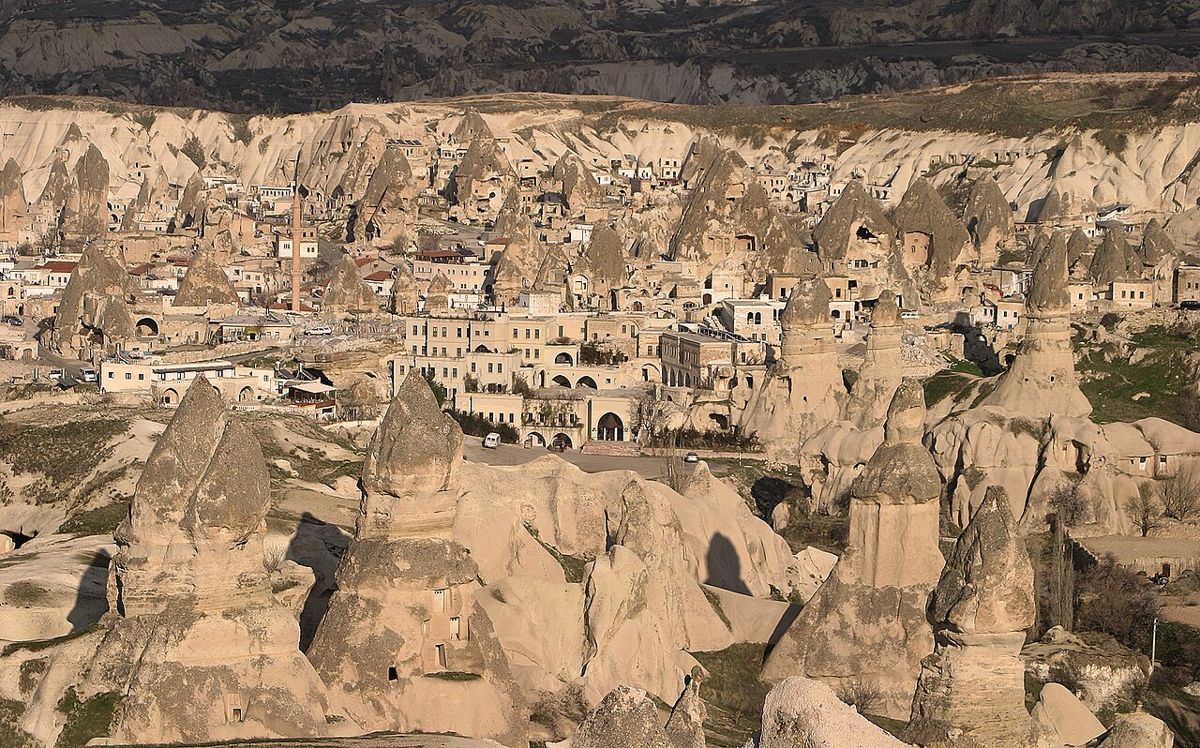
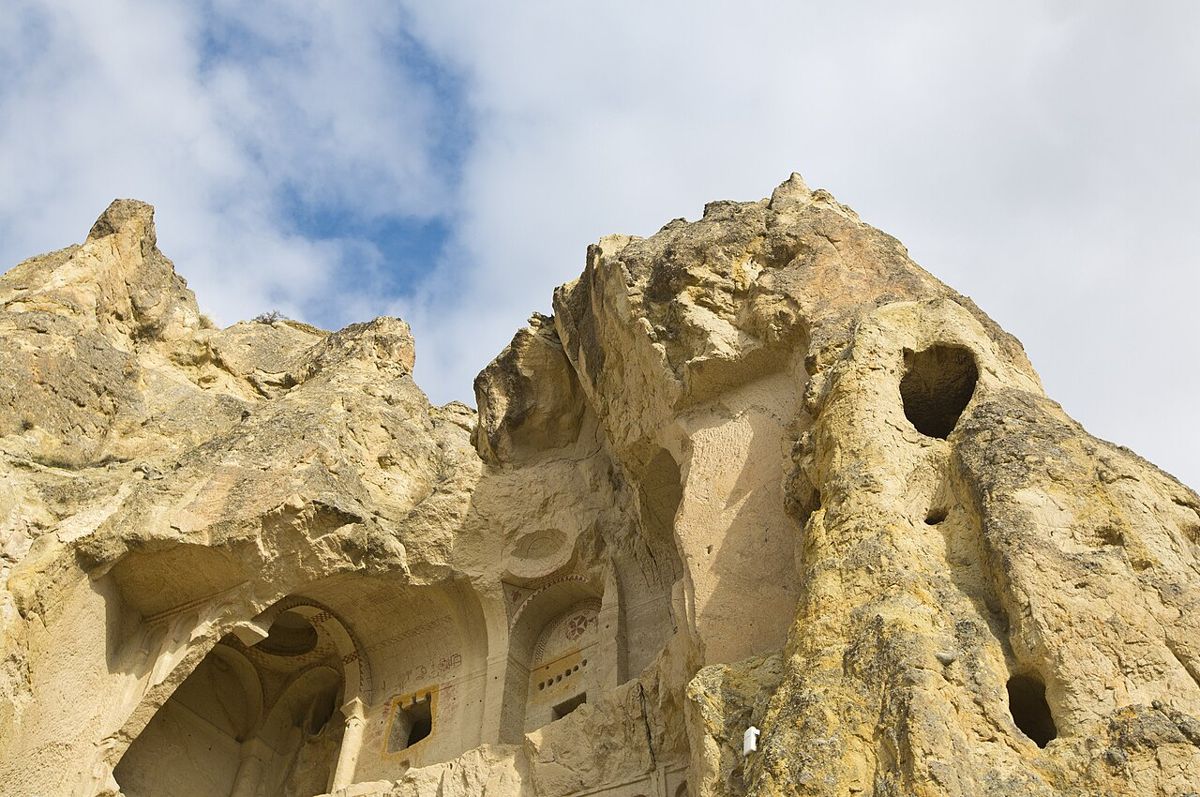
Istanbul is the only major city that sits on two continents, Europe and Asia, with the Bosphorus in between. Cappadocia’s “fairy chimneys” are carved from volcanic tuff. Ancient Halicarnassus — today’s Bodrum — was home to the Mausoleum, one of the Seven Wonders of the ancient world. St. Nicholas, the bishop behind the Santa Claus story, lived at Myra in what is now southern Türkiye (not on this itinerary).

Get to Know the Three Stops

A short briefing on each place before the food list and the ranked things to do.

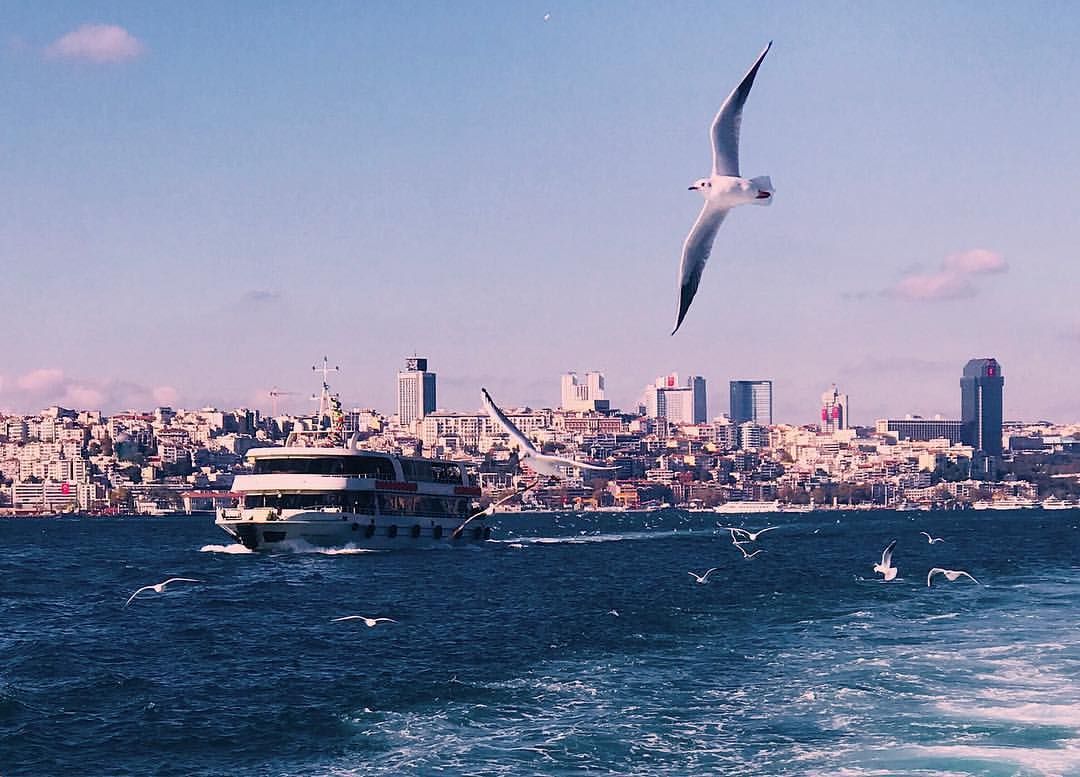
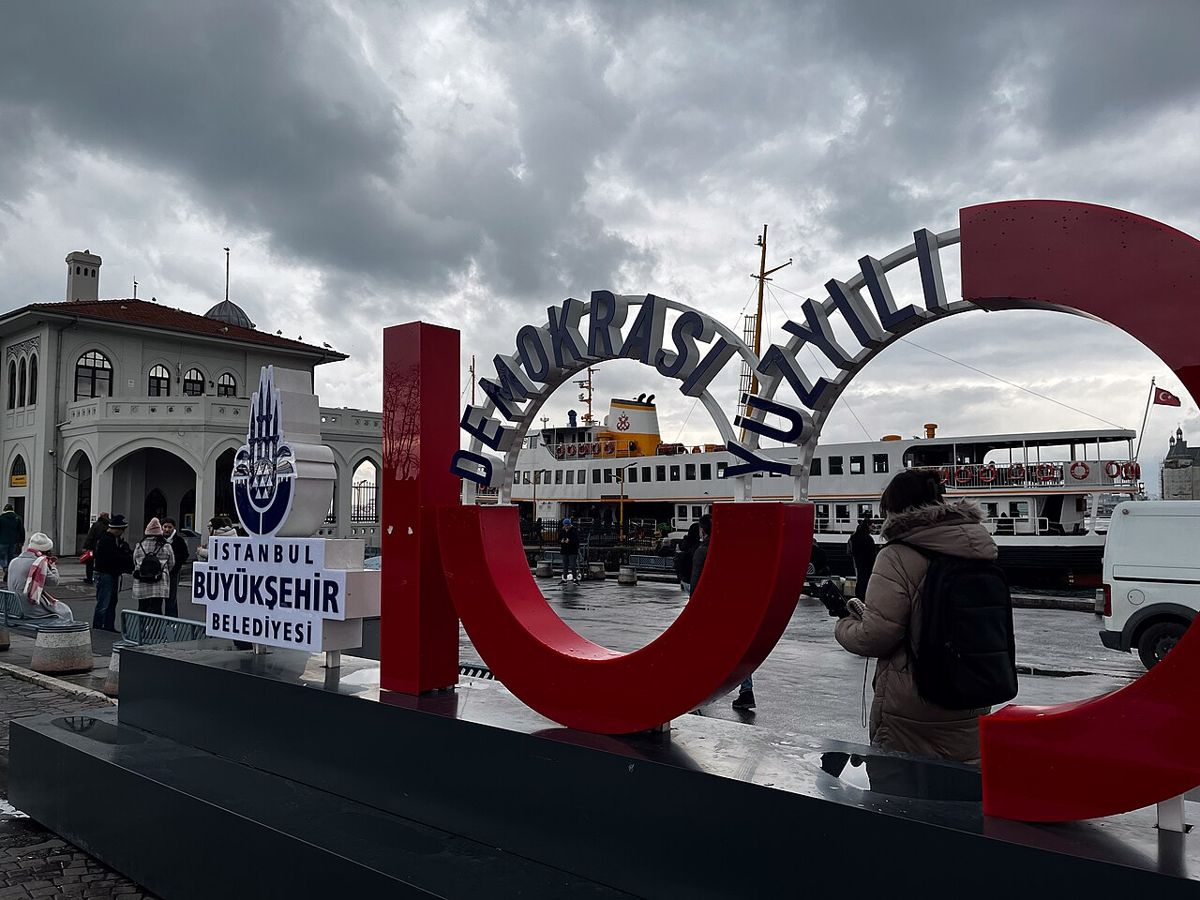
IstanbulIstanbulIstanbulIstanbul📷 1/4

Istanbul

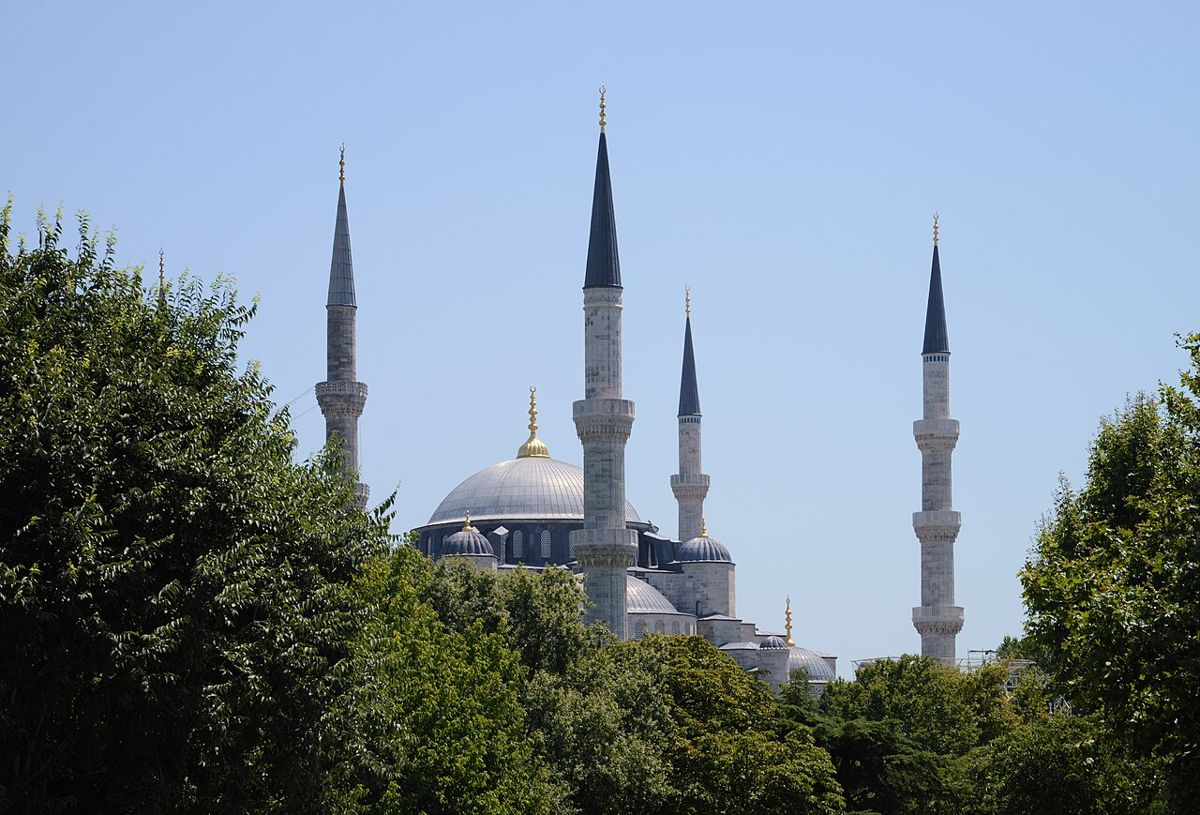
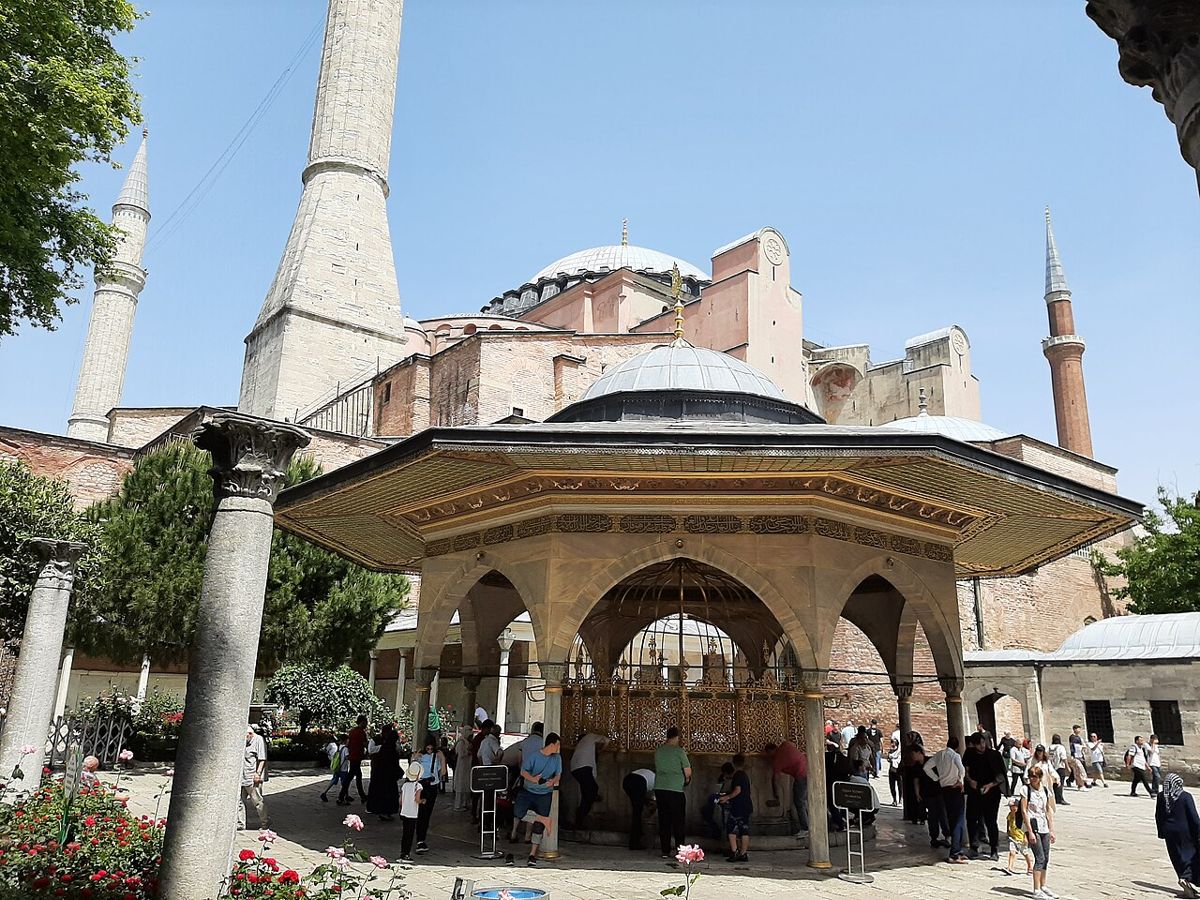
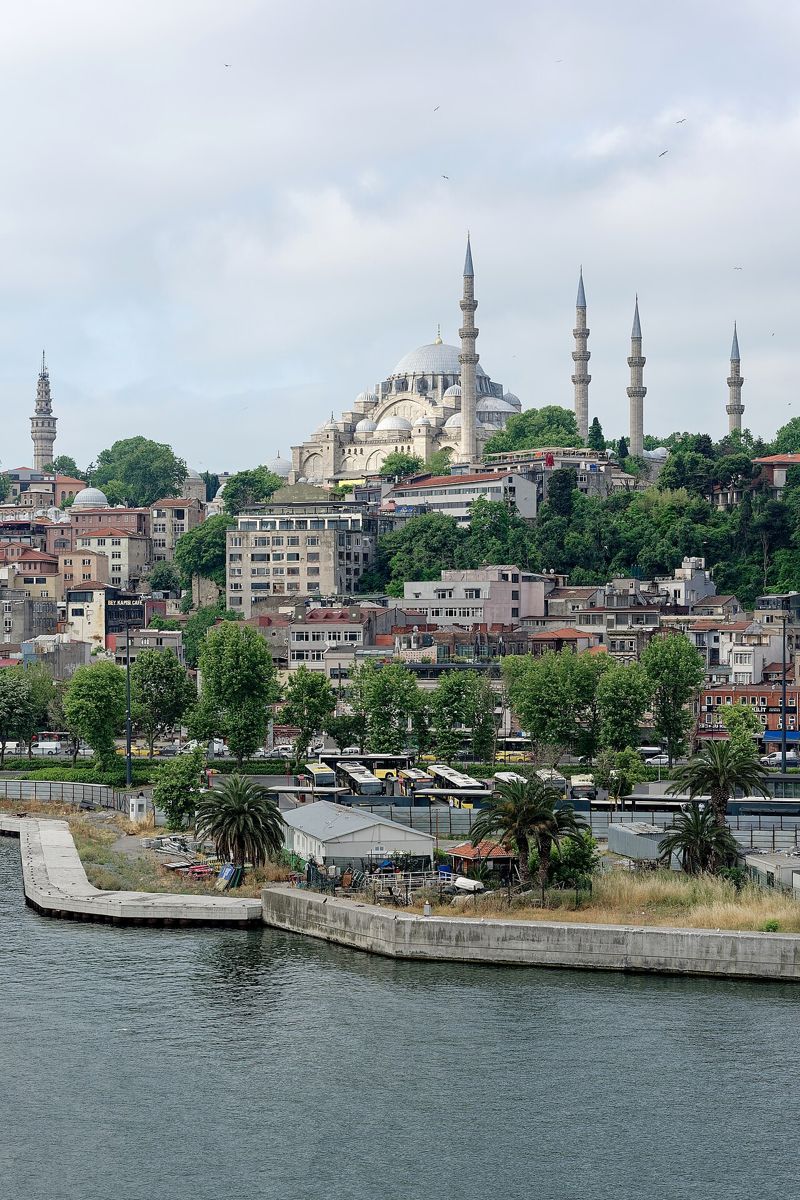
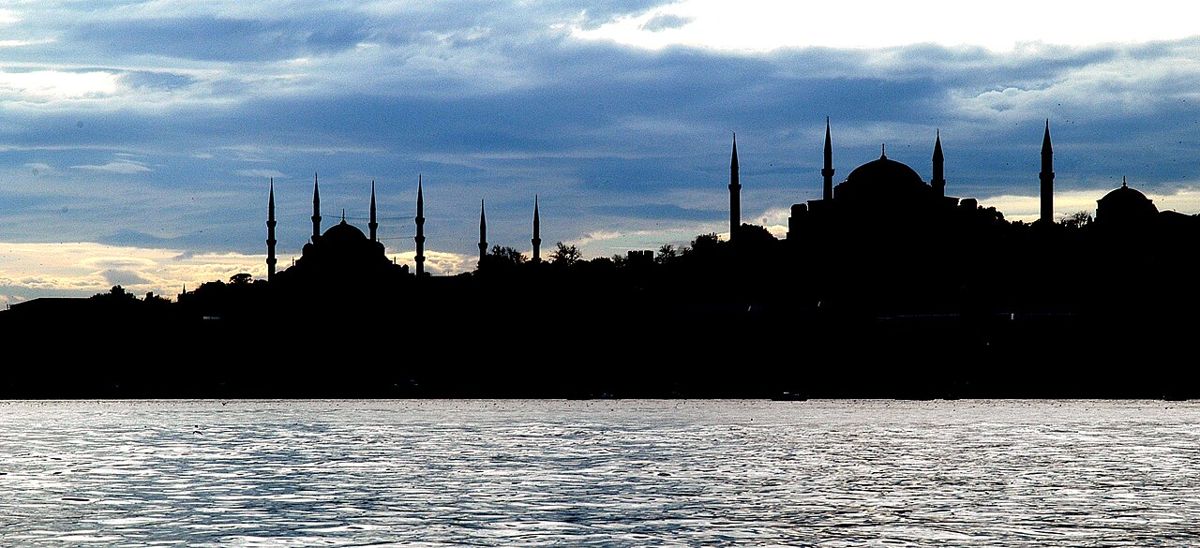
Once Byzantium, then Constantinople, then Istanbul — capital of the Byzantine and Ottoman empires, and still Türkiye’s largest city. It is not the political capital (that’s Ankara). The historic peninsula (Sultanahmet) holds Hagia Sophia, the Blue Mosque, Topkapı and the cistern within a walkable core.

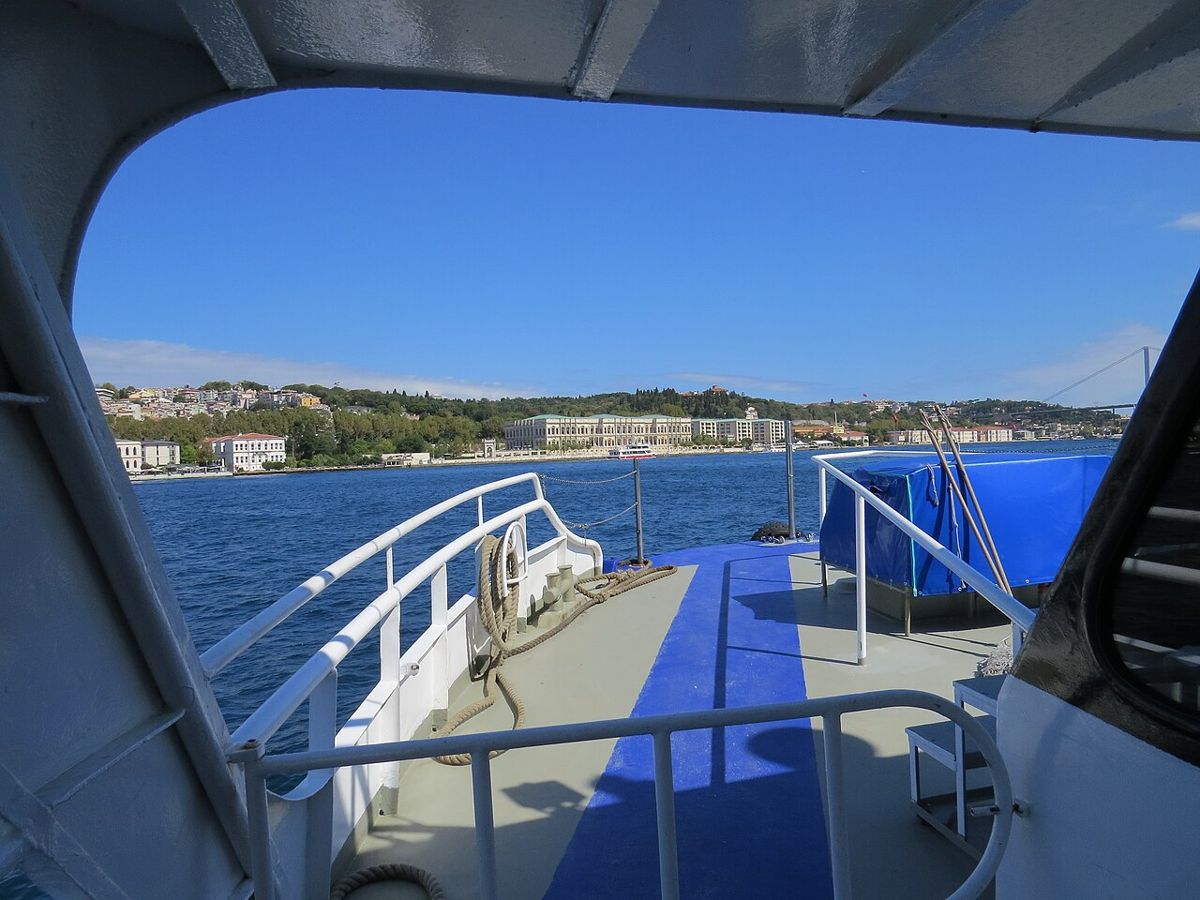
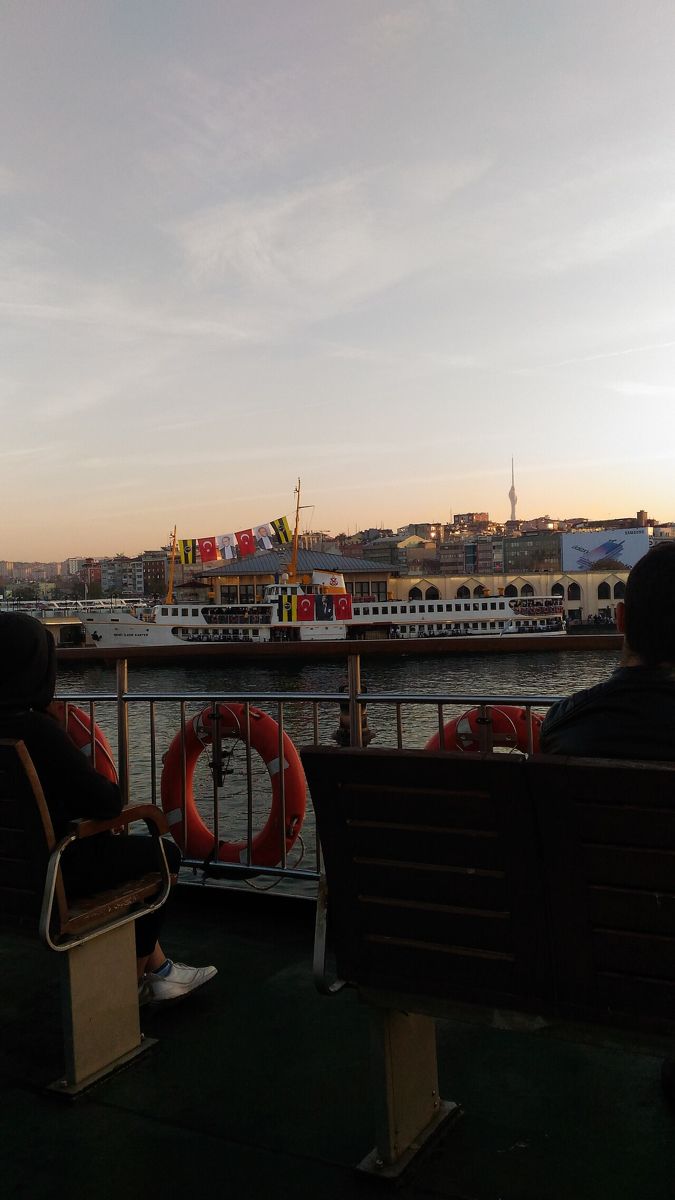
The Bosphorus divides the European and Asian sides. Ferries are everyday transport, not just a tour. Six nights here is enough for the monuments, a market day, a boat, and real rest after the flight — if you do not try to see everything.

Late July is hot and humid. Do Sultanahmet at opening time, and use interiors and ferries in the afternoon.

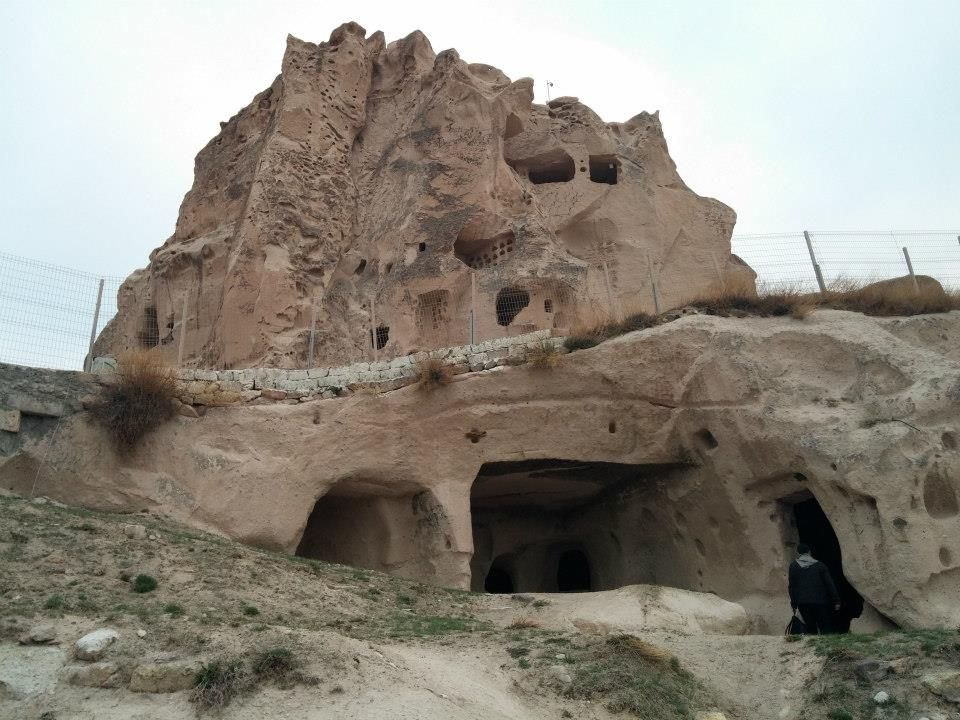
CappadociaCappadociaCappadociaCappadocia📷 1/4

Cappadocia

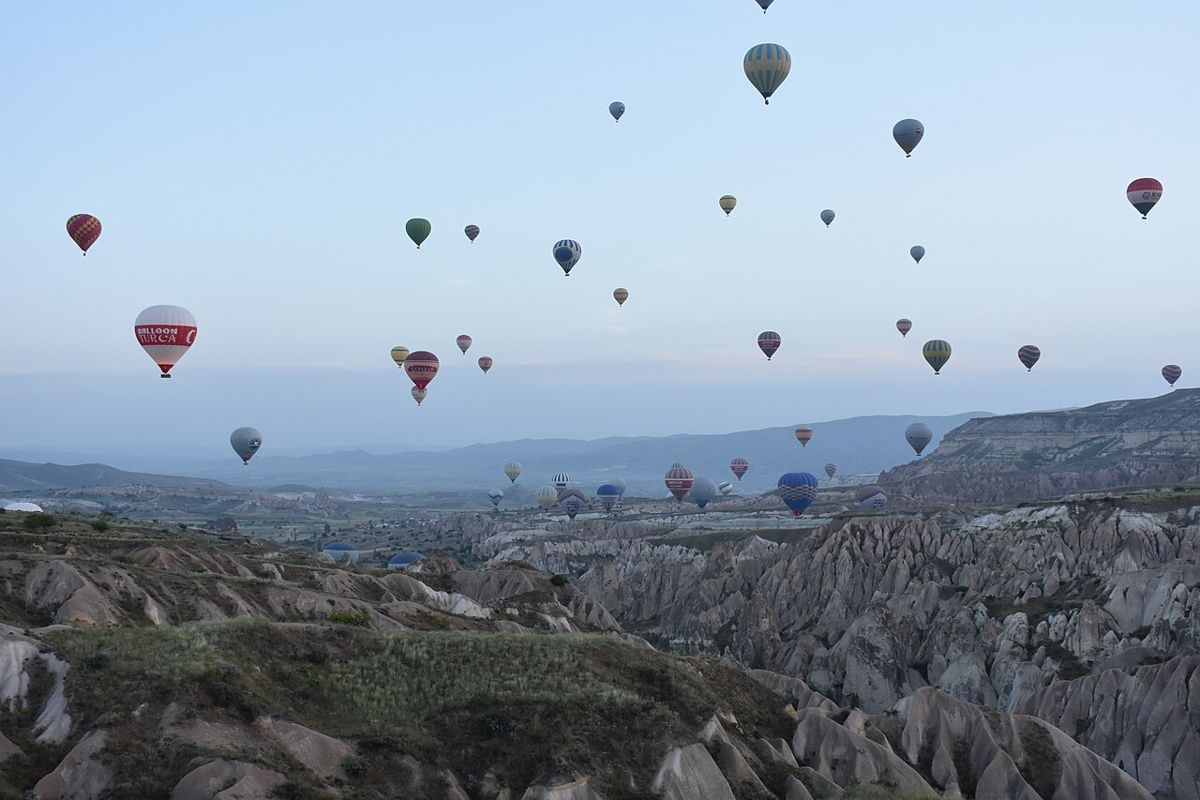
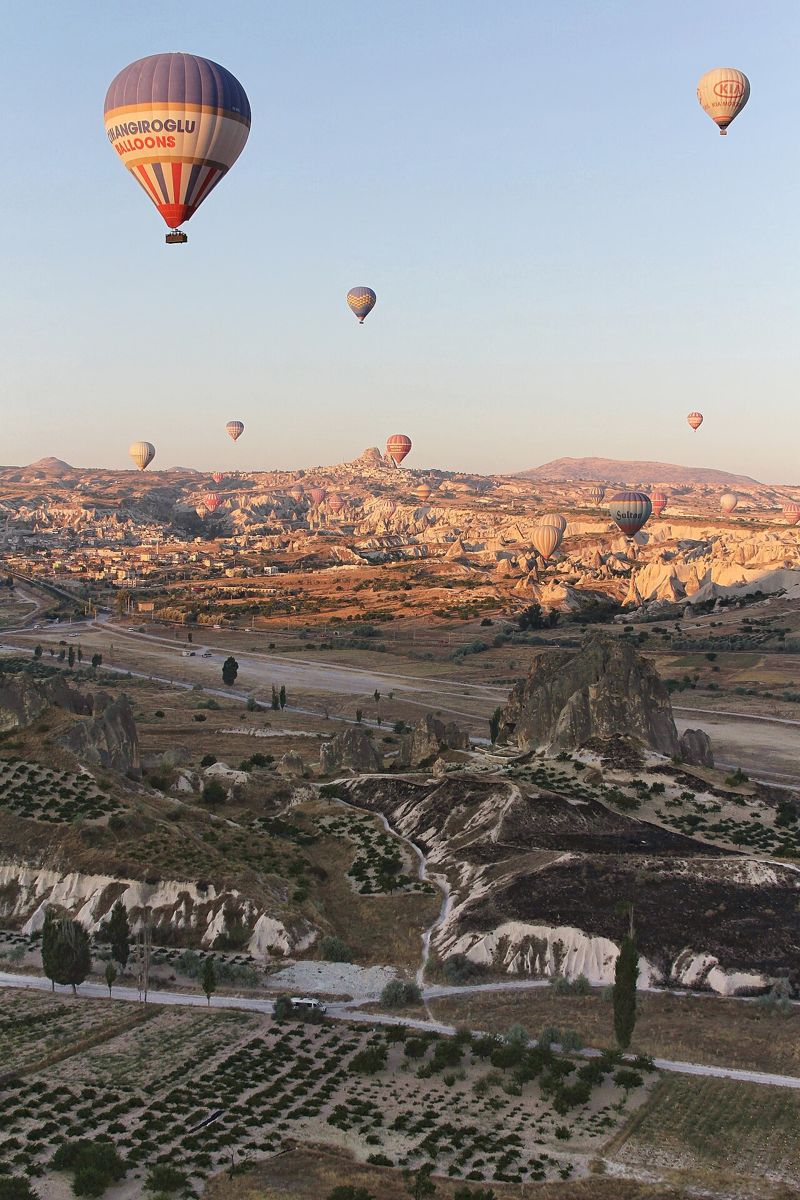
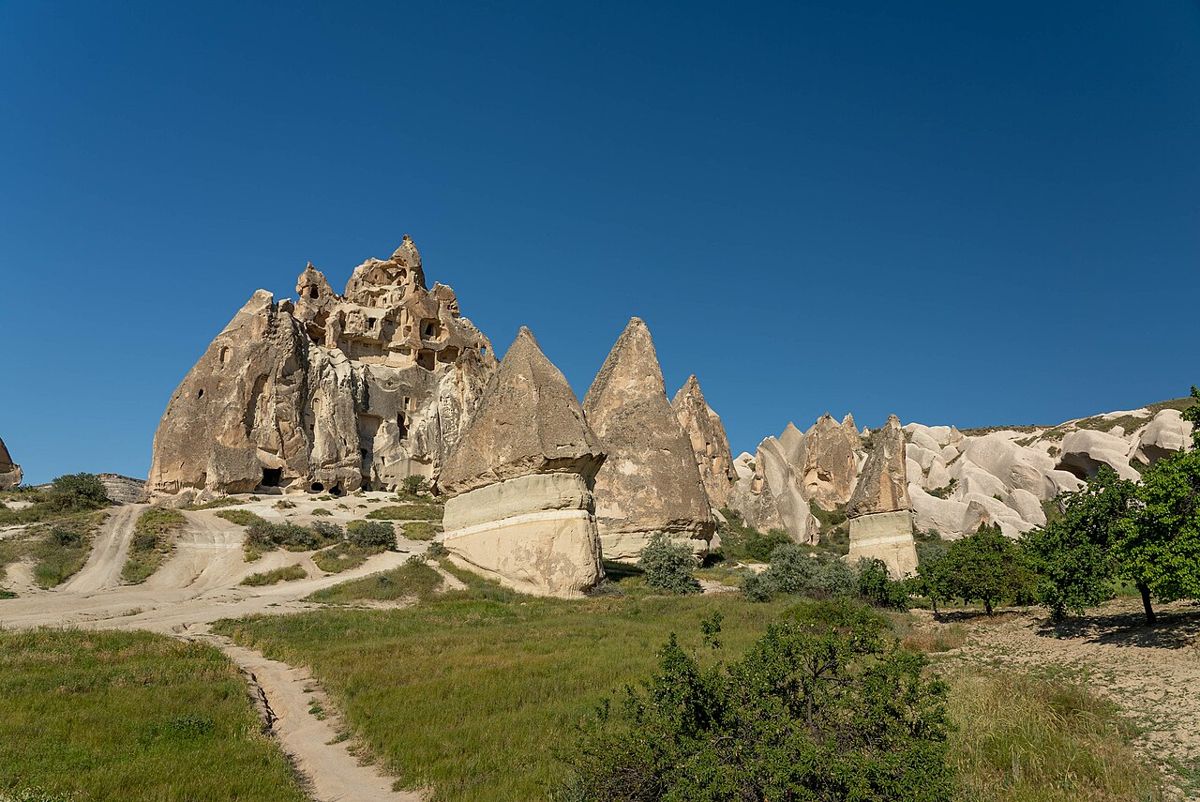
An inland volcanic landscape of valleys, “fairy chimneys” and rock-cut churches and homes. Göreme is the usual family base: walkable, close to the Open-Air Museum, and at the center of the dawn balloon flights.

Three nights give you a balloon morning (with a weather backup), the Open-Air Museum, one underground city, and a valley walk or a pottery stop in Avanos. That is a full, not frantic, stay.

Days are hot and dry; nights can feel cool. The payoff of the early start is real here. Fly in and out — the drive from Istanbul is a full day and not worth it with kids in August.

BodrumBodrumBodrumBodrum📷 1/4

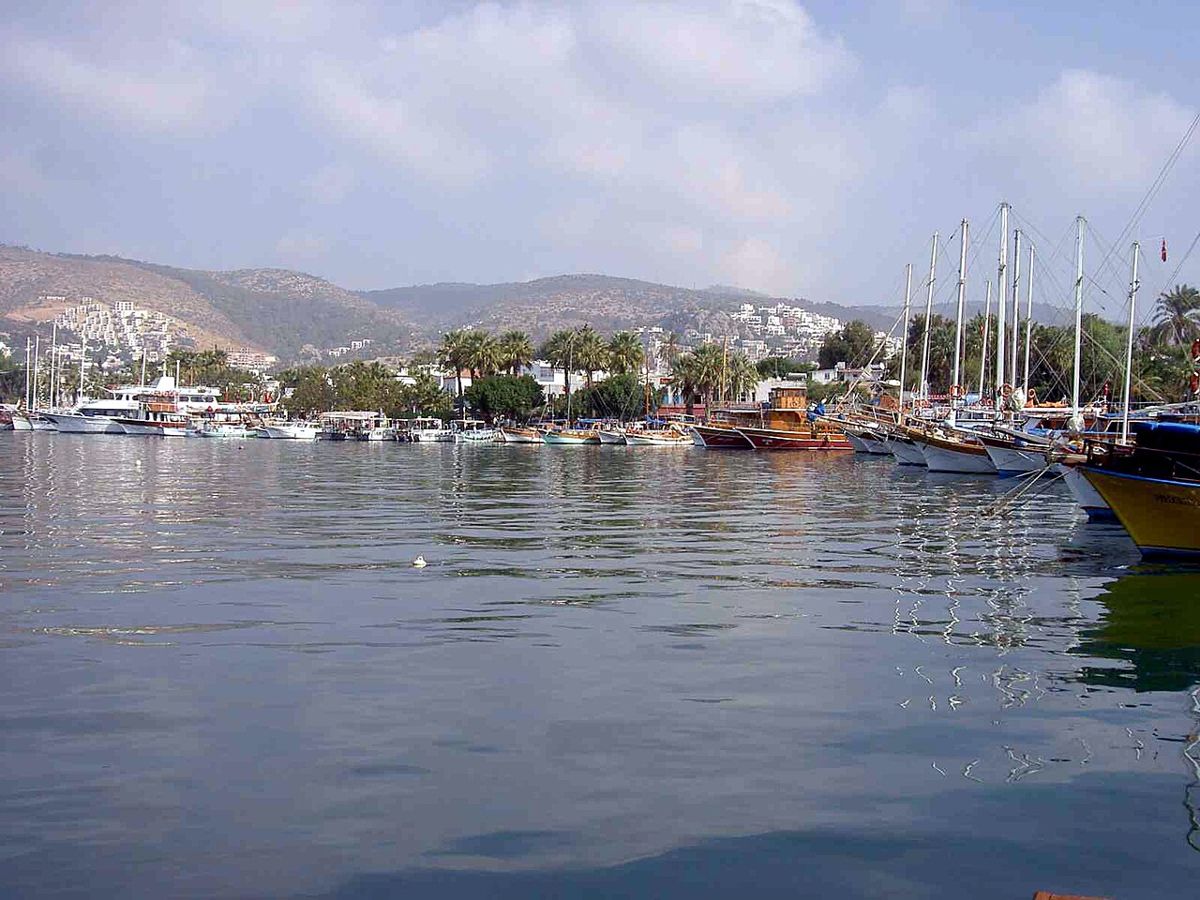
Bodrum

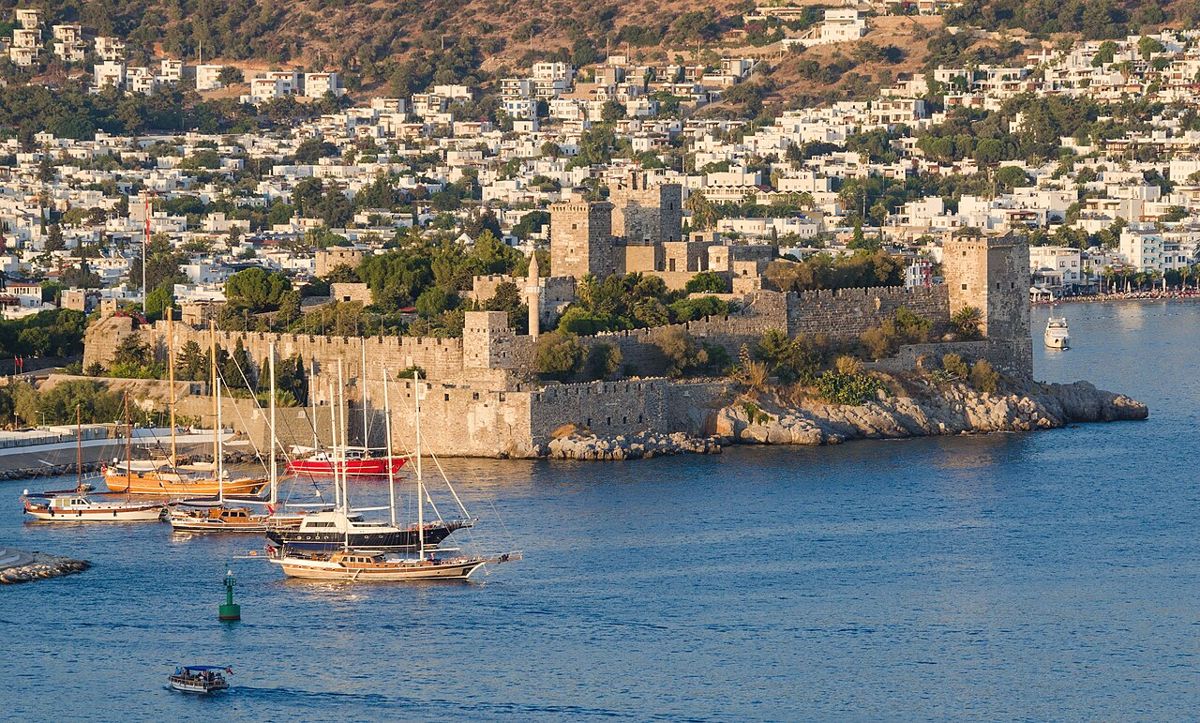
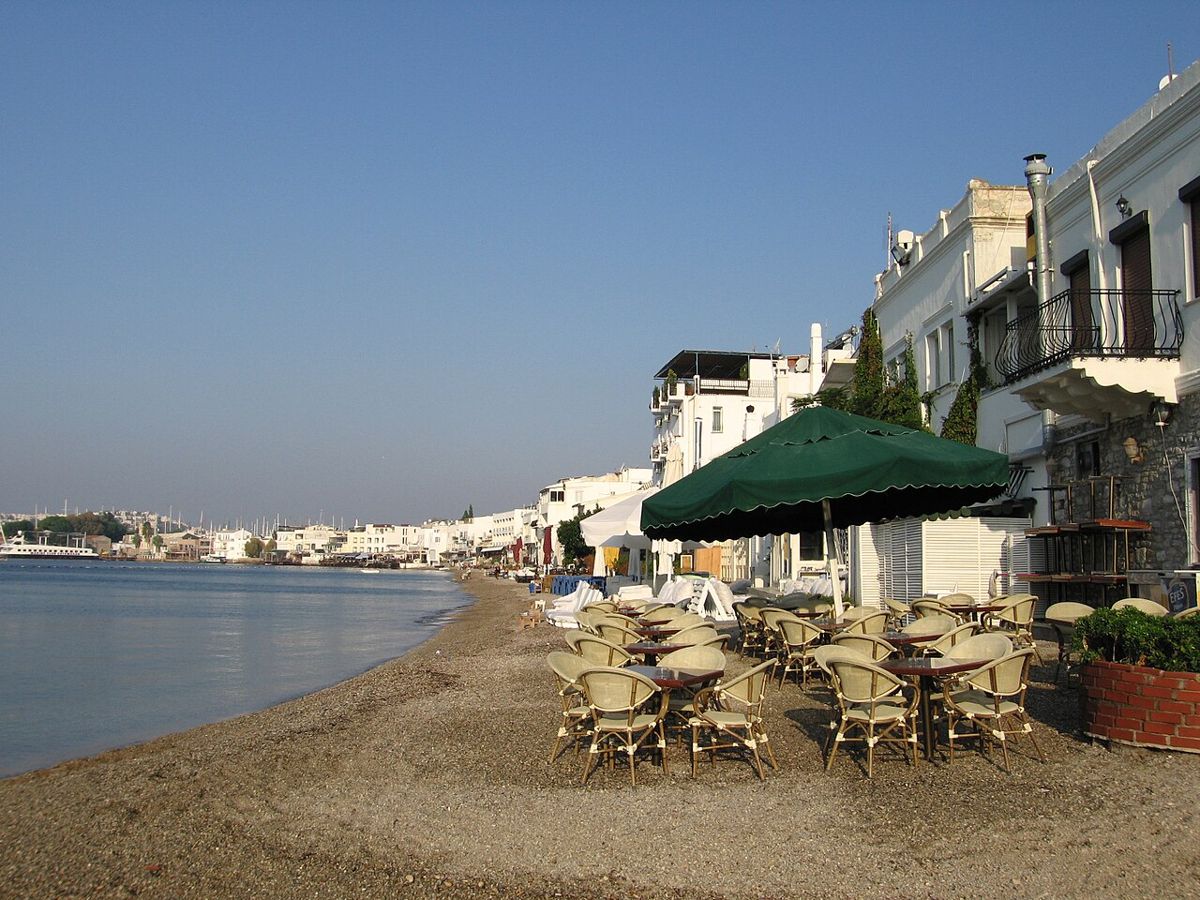
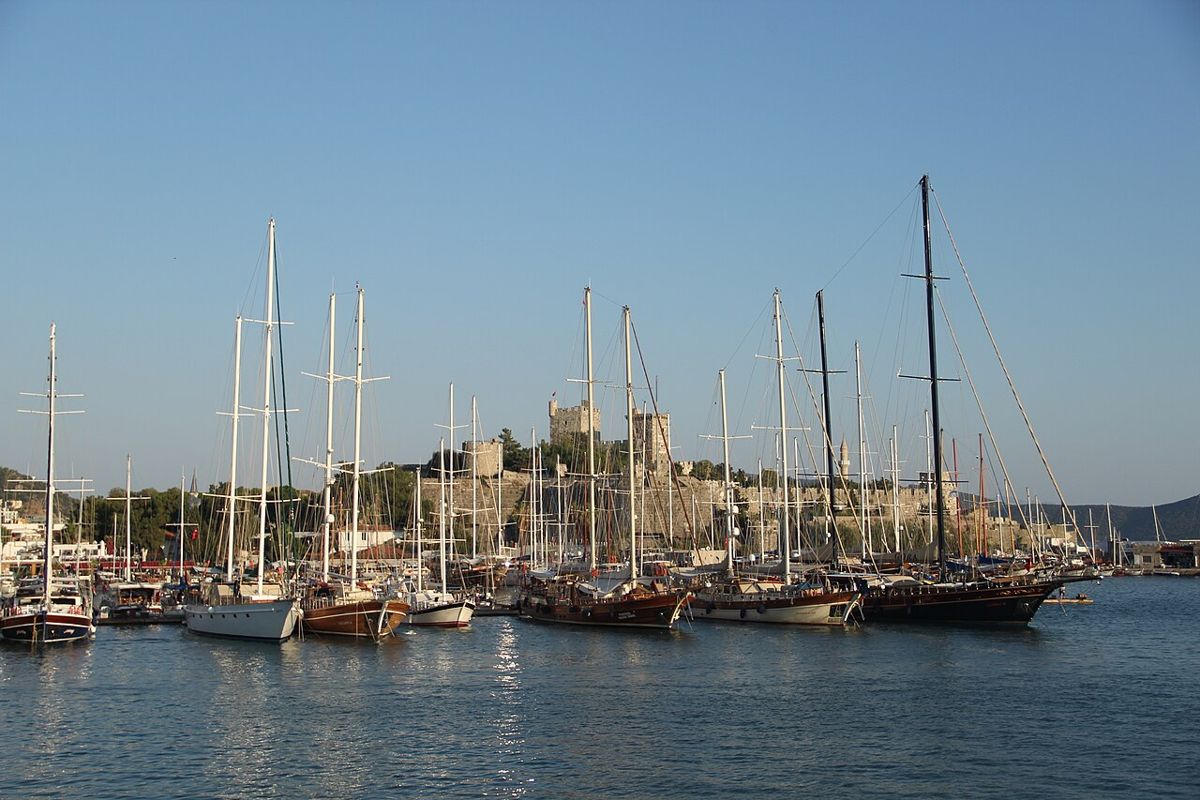
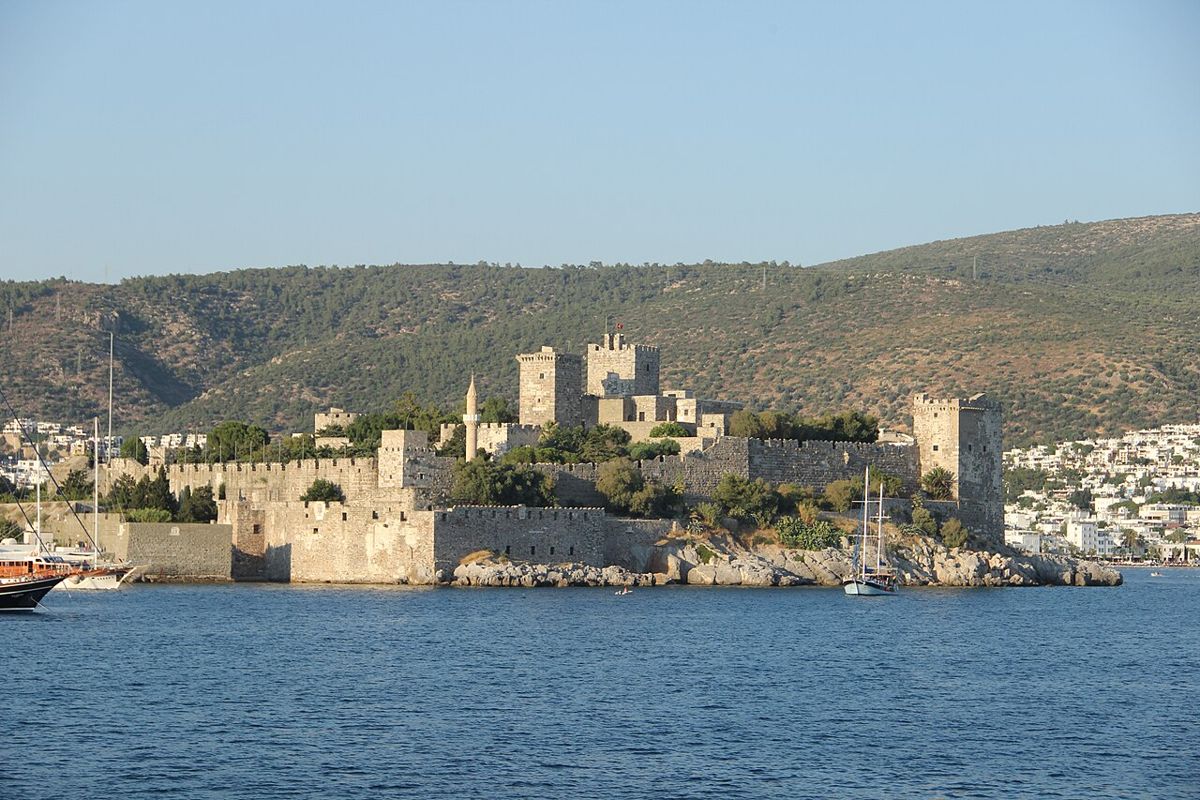
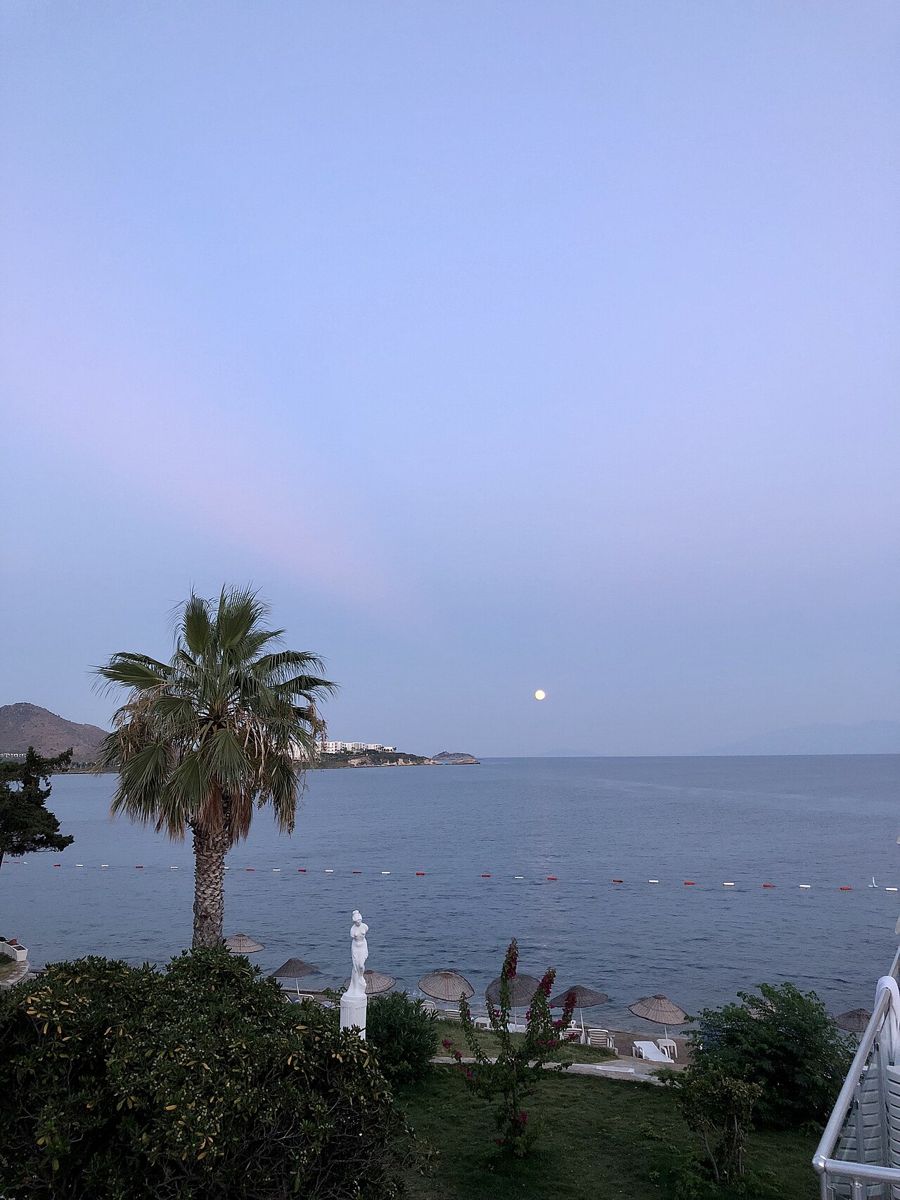
A Aegean peninsula town on the site of ancient Halicarnassus. The castle on the harbor holds the Underwater Archaeology Museum. The rest of a summer stay is water: a boat day, a swim, and slow evenings in the old town and marina.

Four nights are meant to be easier than Istanbul and Cappadocia — one culture morning, one boat day, and buffers. It will still be very hot and very sunny.

You fly into BJV (Milas–Bodrum). The town is walkable around the castle and marina; beaches a little farther out are a short taxi or dolmuş ride.

🍽️ From Simit to Testi

A ranked tasting list — start at the top. These are everyday Turkish foods the family should actually try, with a Cappadocia specialty in the middle and sweets at the end. Photos and plain explanations; nothing here is a restaurant reservation.

SimitSimit📷 1/2
#1

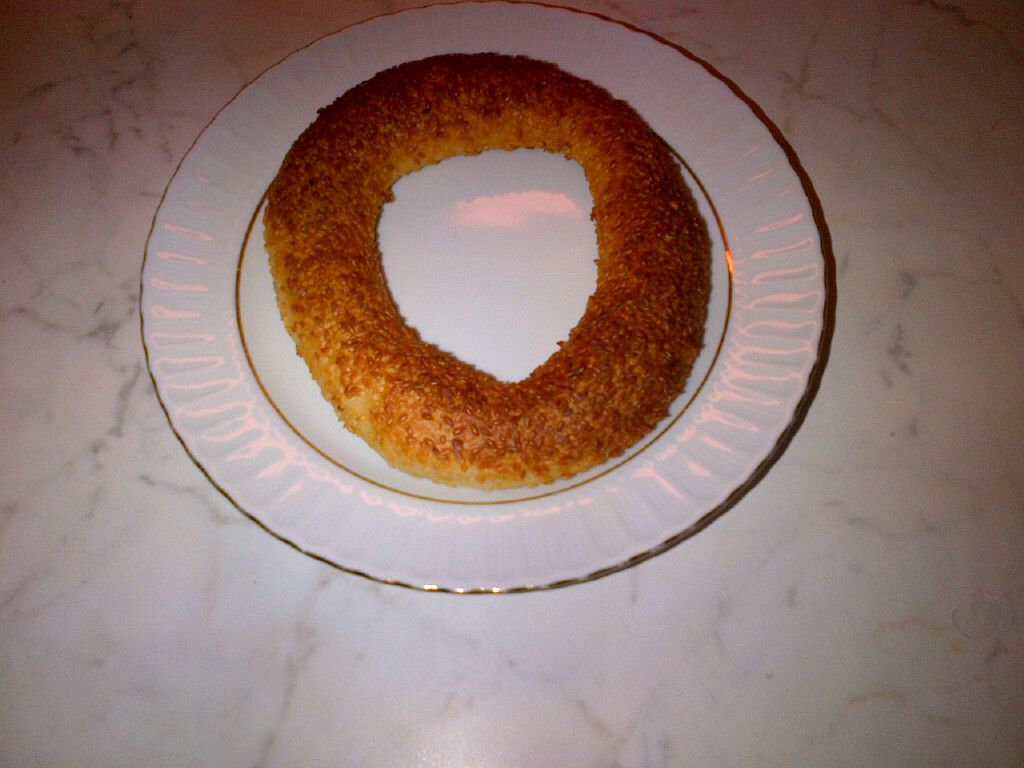
Simit

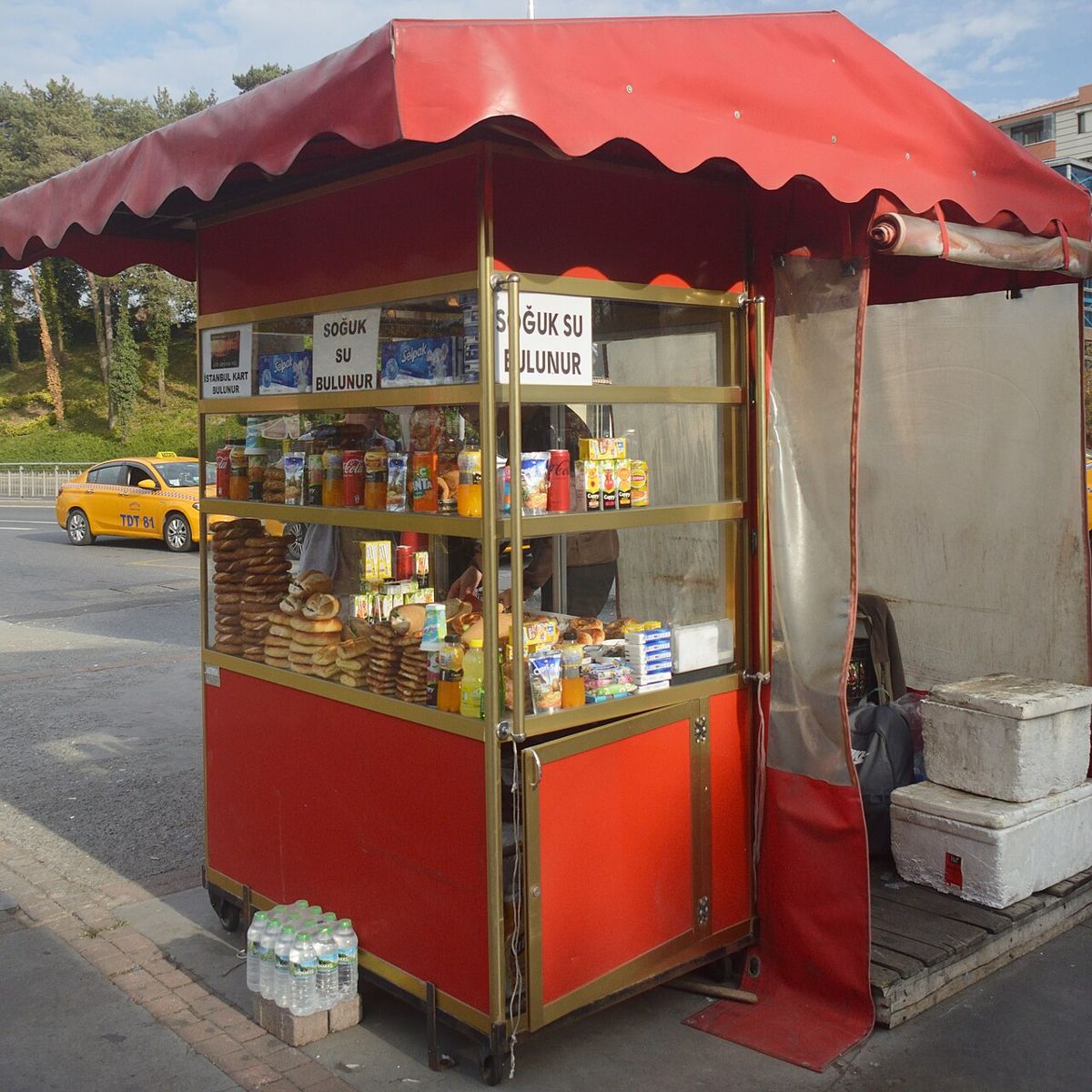
A chewy sesame-crusted ring of bread, sold from red street carts and bakeries all day. This is the first thing to eat when you land — cheap, everywhere, and very Istanbul.

Why try it: It is the city's everyday welcome food, not a restaurant dish.

Best in the morning, still warm. Easy for every age.

Döner
#2

Döner

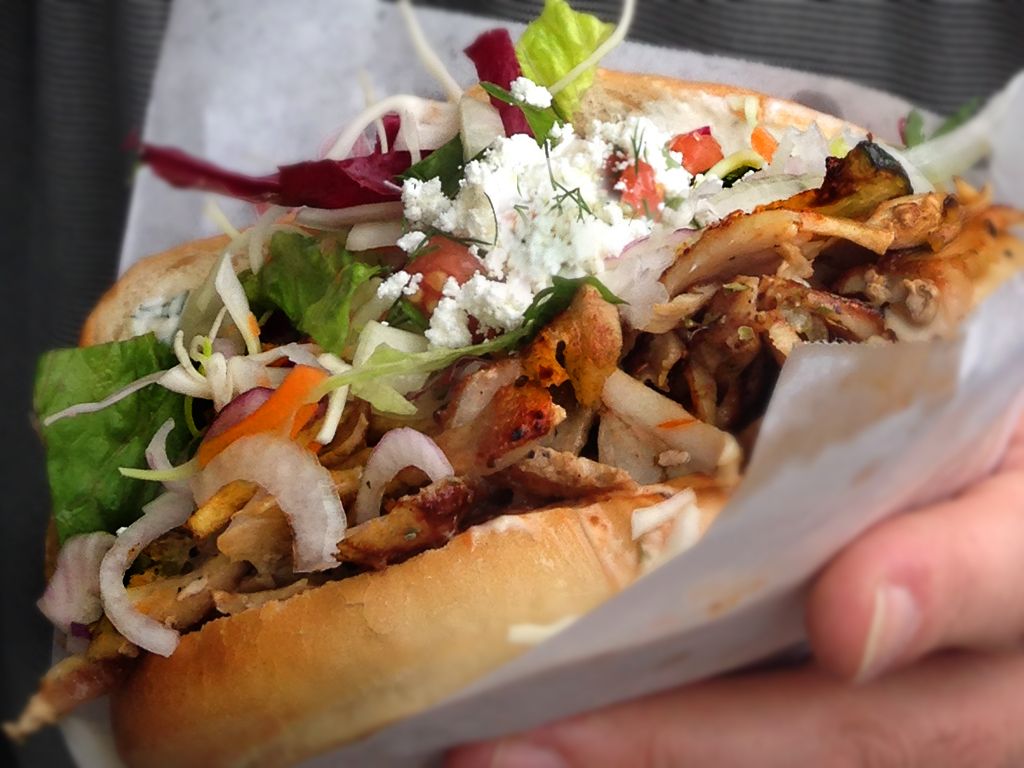
Seasoned meat stacked on a vertical spit, sliced thin, and served in bread, in a wrap, or on a plate with salad and rice. This is everyday Turkish fast food, not a tourist invention.

Why try it: You’ll smell it before you see it — follow a busy local shop, not an empty one.

Ayran (salted yogurt drink) is the usual pairing, not tea or coffee.

Köfte
#3

Köfte

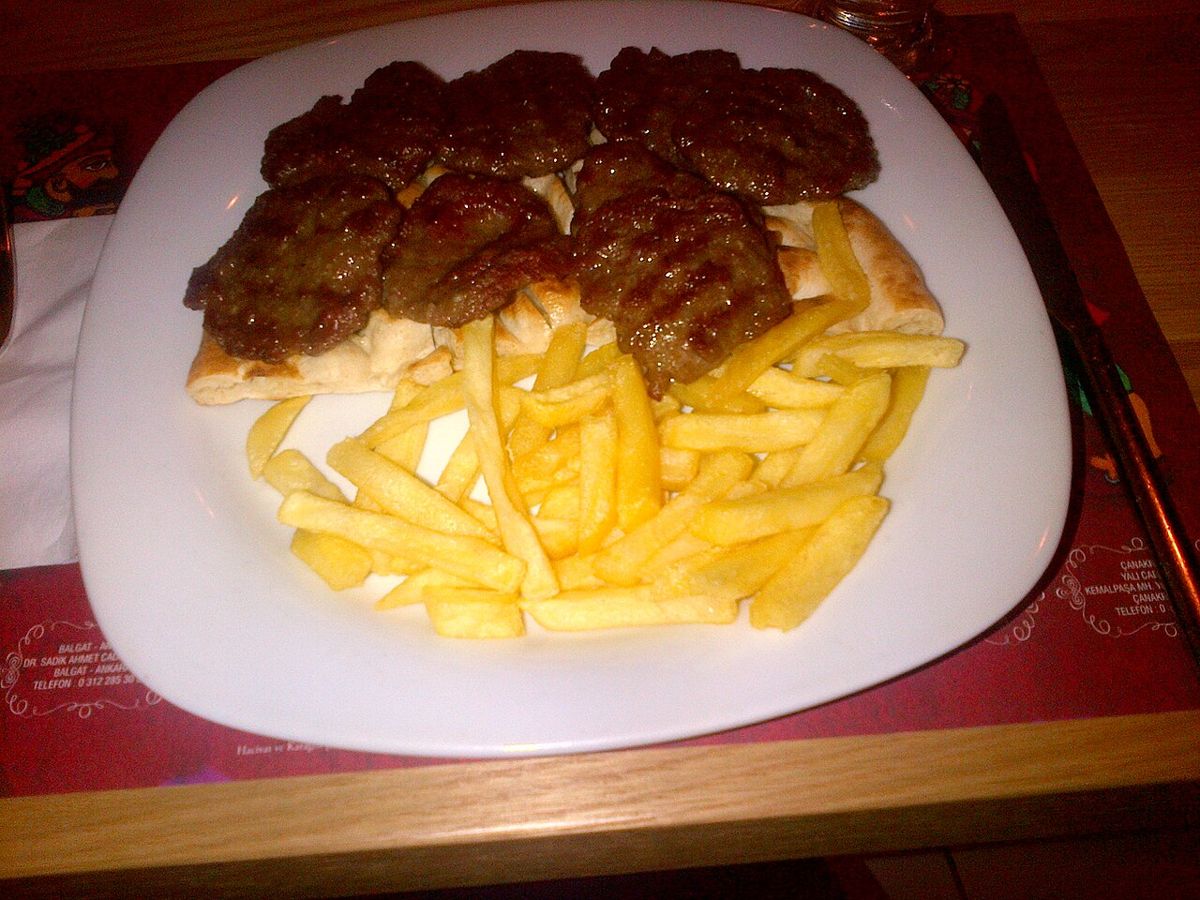
Grilled meatballs — often beef or a beef-and-lamb mix — served with bread, peppers, tomatoes and raw onion. Simple, smoky, and one of the easiest sit-down meals for kids.

Why try it: A reliable family lunch when everyone is too tired for a long menu.

Ask if the mix includes lamb if anyone prefers beef only.

Pide
#4

Pide

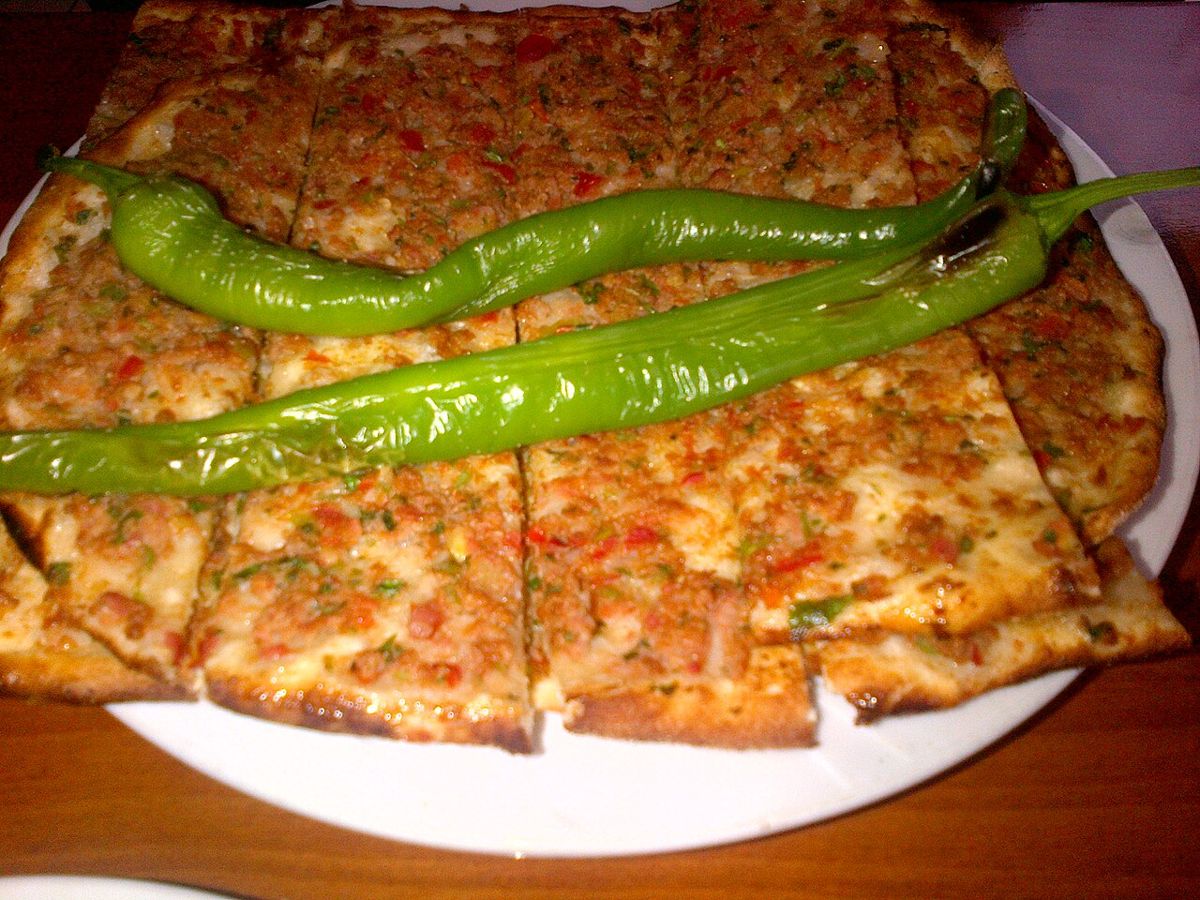
Boat-shaped oven bread with toppings baked into the crust — minced meat, cheese, spinach, or egg. Think of it as Turkey’s own oven pie, not “Turkish pizza” (that nickname is more often used for lahmacun).

Why try it: Shareable, hot from the oven, and easy to divide among six people.

A pide baker (pideci) is a good lunch stop in any of the three cities.

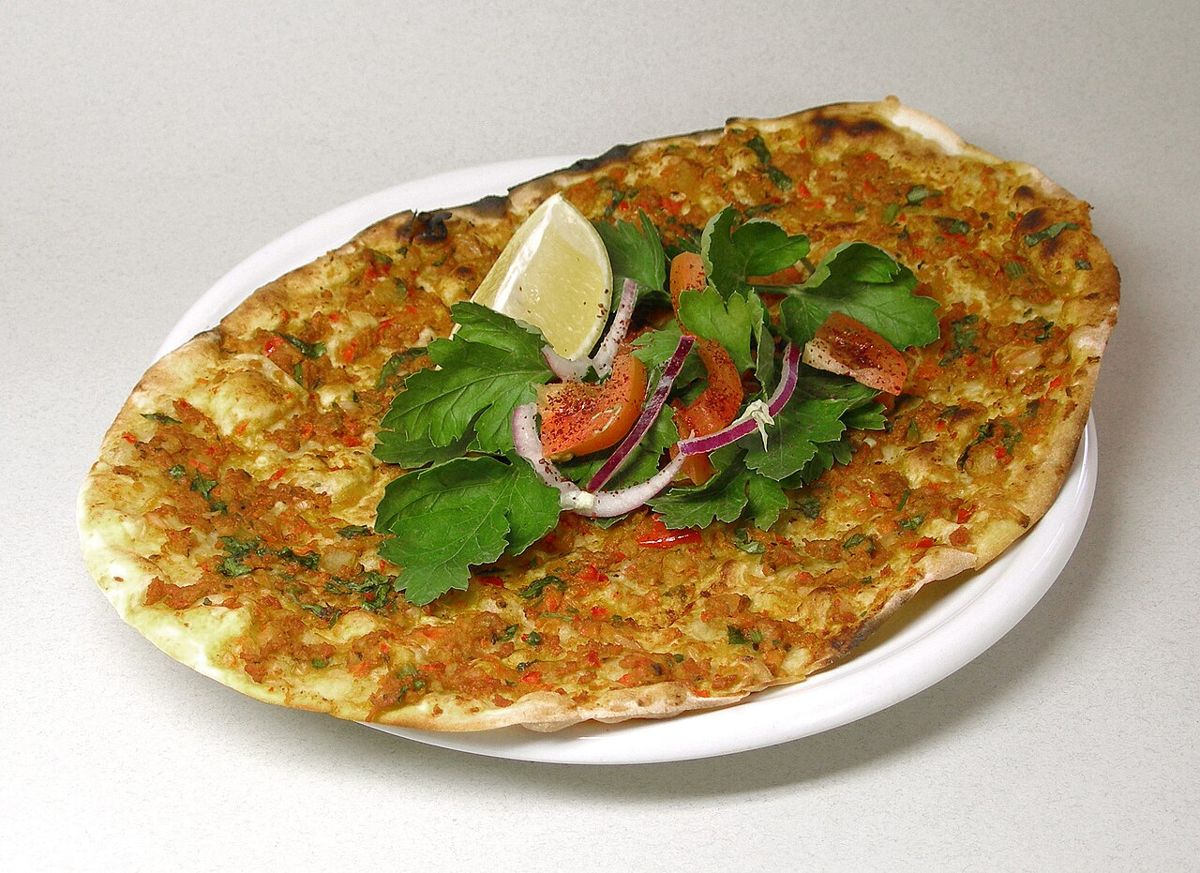
Lahmacun
#5

Lahmacun

A very thin, crisp round of dough spread with seasoned minced meat, onions, tomatoes and spices, baked in a hot oven. You add herbs, a squeeze of lemon, roll it up, and eat it with your hands.

Why try it: Lighter than pide, and a fun “roll your own” lunch for the kids.

It is thin — two per hungry teenager is normal. Not the same dish as pide.

MantıMantı📷 1/2
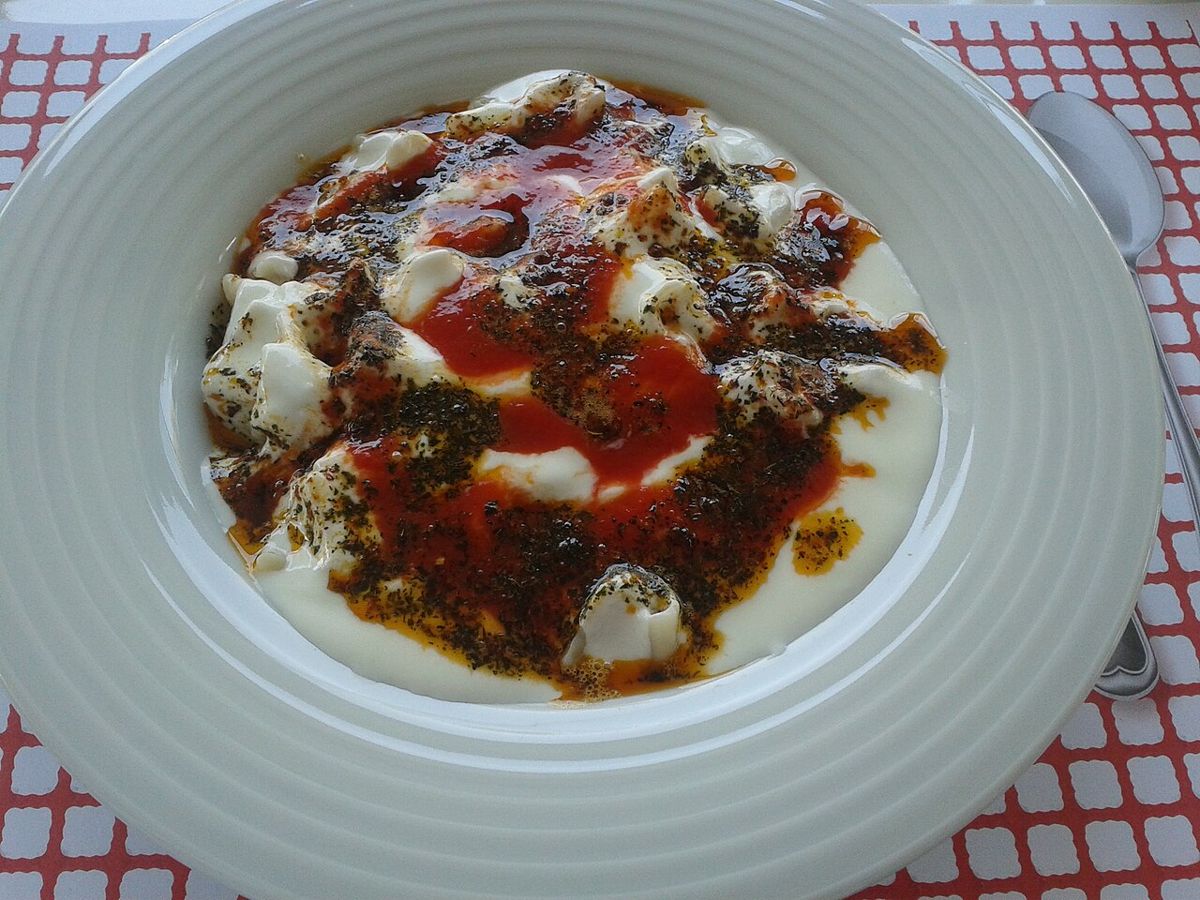
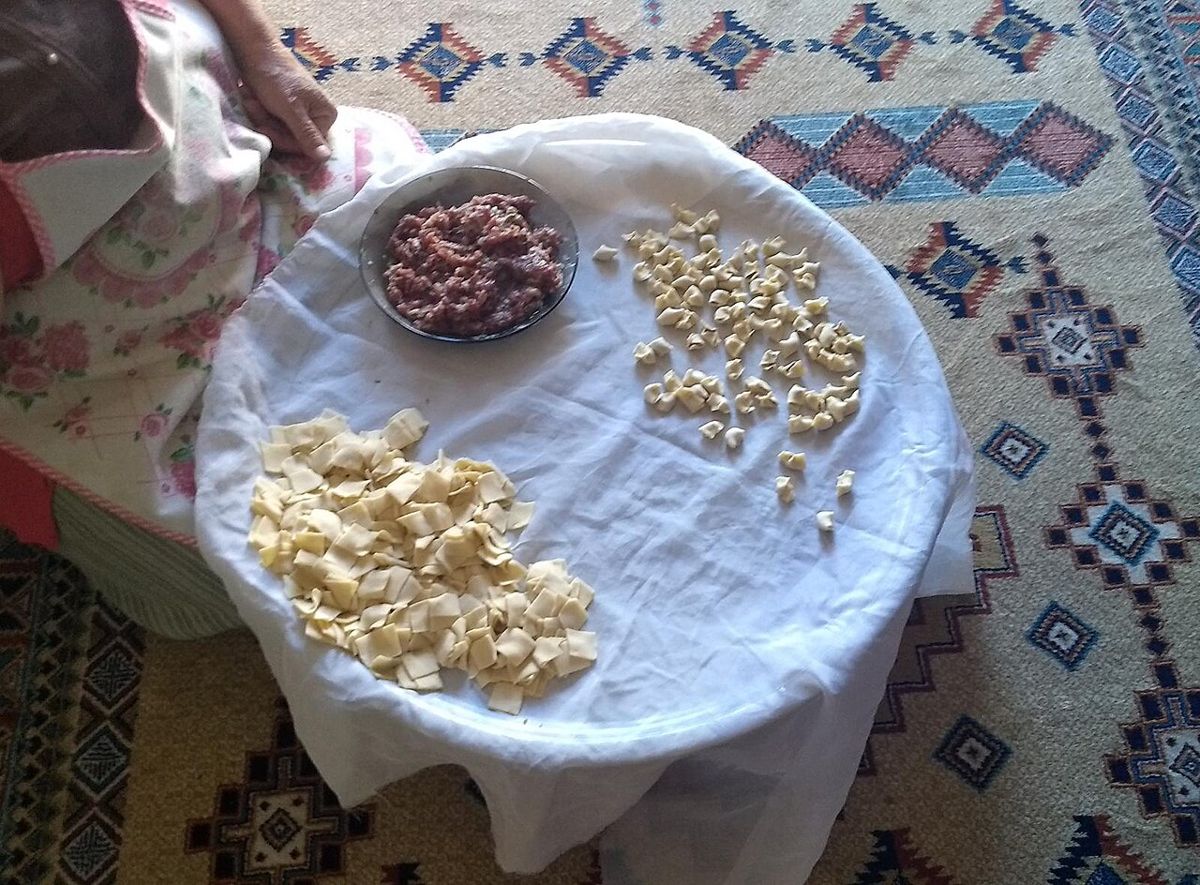
#6

Mantı

Tiny meat-filled dumplings, boiled and served with garlicky yogurt and a drizzle of melted butter or oil with red pepper. Kayseri-style mantı are the tiny ones. It is comfort food, not street food.

Why try it: The dish that usually surprises people — it looks like a small pasta and eats like a hug.

Contains wheat and dairy (yogurt and butter). A good indoor lunch on a very hot day.

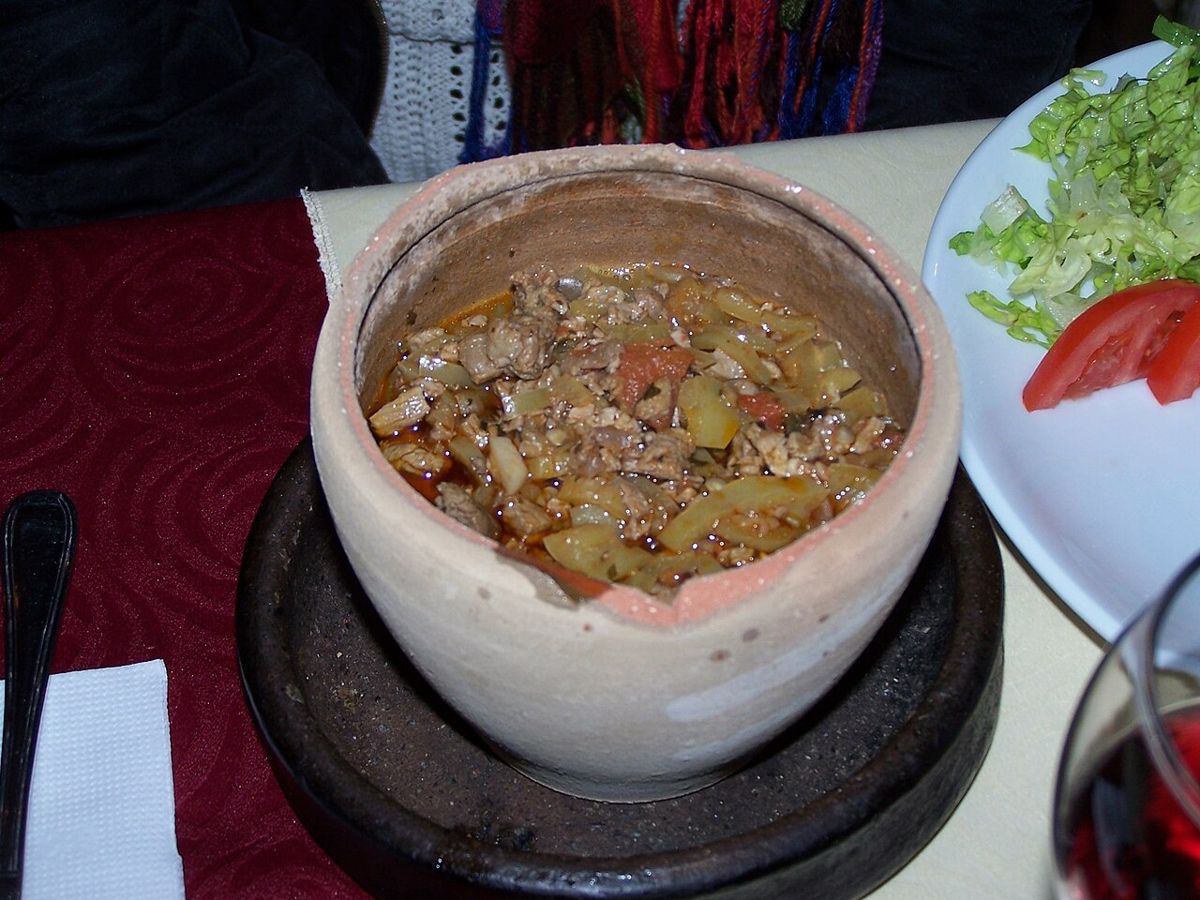
Testi kebab
#7

Testi kebab

A Cappadocia specialty: meat and vegetables sealed inside a clay jug (testi) and slow-cooked in a hot oven. At the table the waiter often cracks the jug open so the stew spills onto the plate. It is theatre and a real regional dish, not just a gimmick.

Why try it: The one “only here” main course to plan for a Cappadocia dinner.

Ask the restaurant to show you a real sealed jug, not a stew poured into a decorative pot. One jug often serves two people. The photo is a labeled testi kebab in Göreme, with the clay jug opened at the table.

GözlemeGözleme📷 1/2
#8

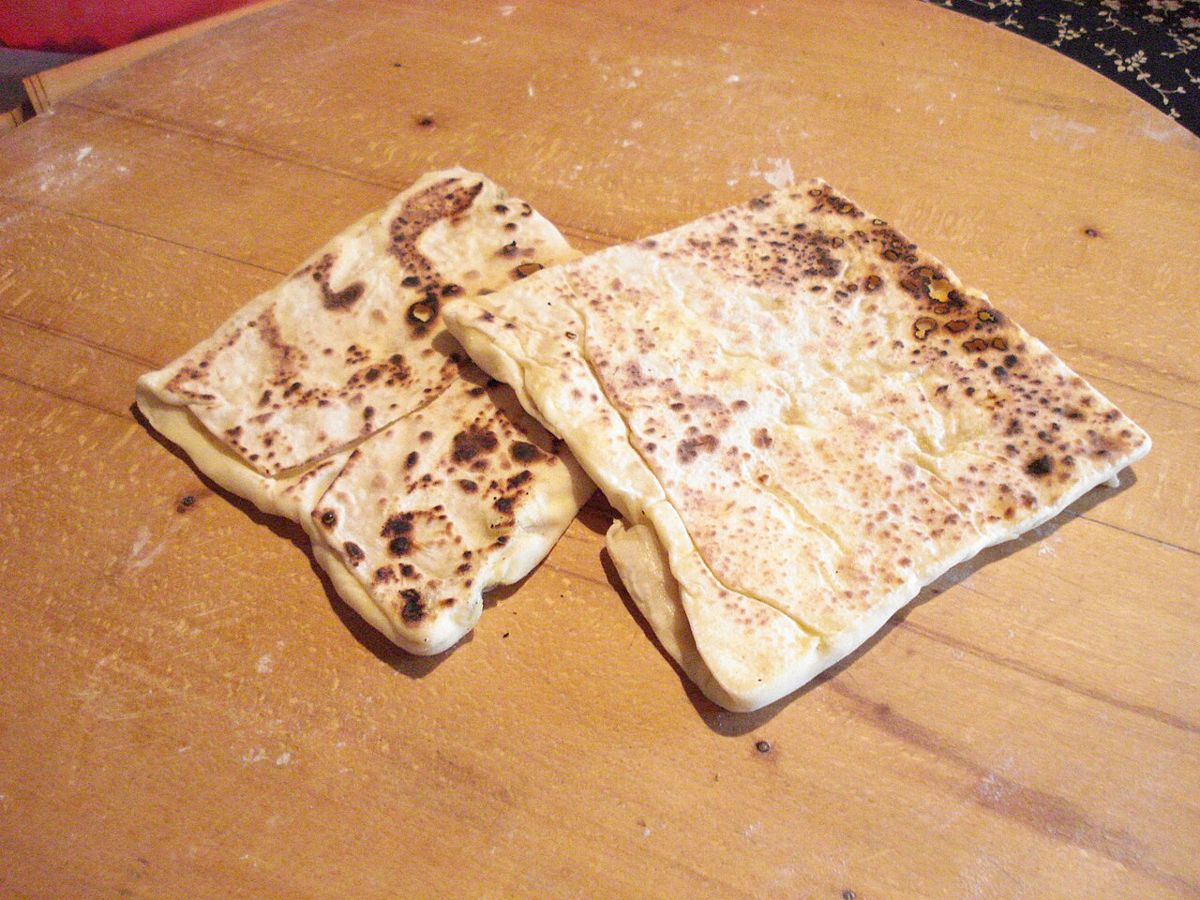
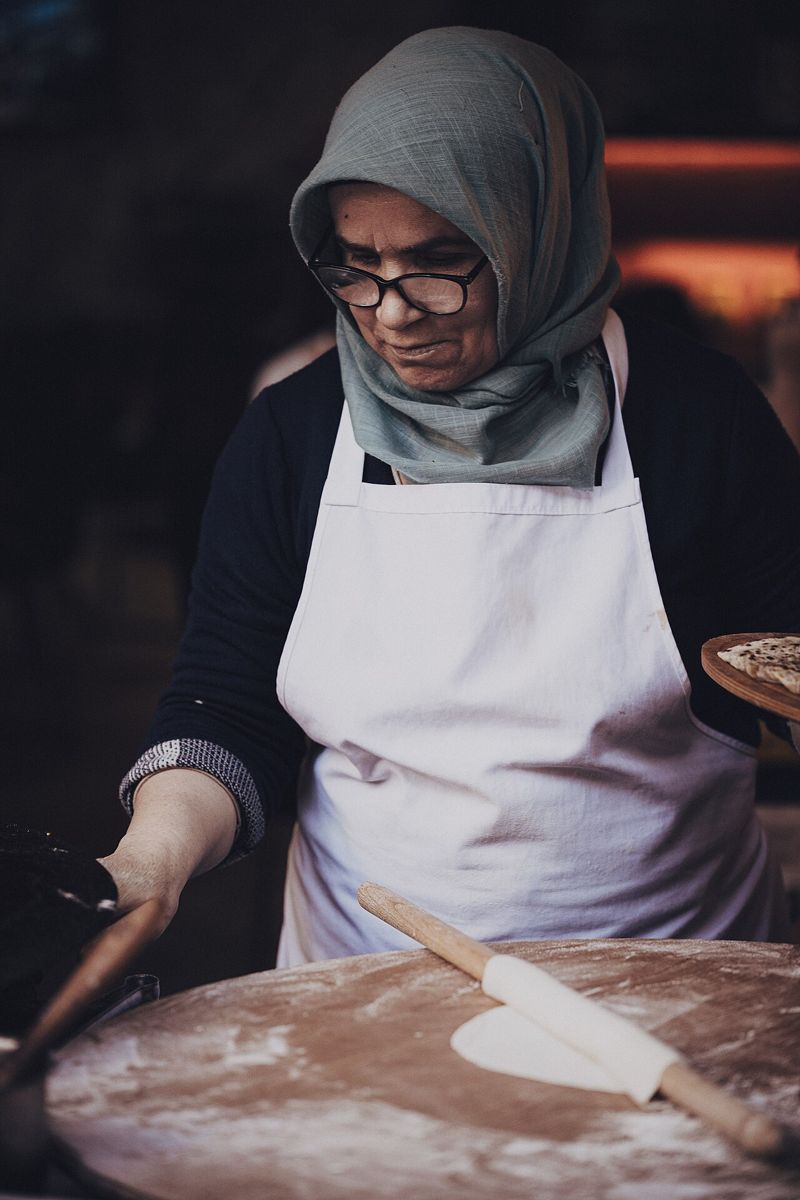
Gözleme

A thin, hand-rolled flatbread stuffed (often with spinach and cheese, potato, or minced meat), folded, and cooked on a griddle until mottled and crisp. In smaller towns you can watch it being rolled in front of you.

Why try it: A simple, cheap, made-in-front-of-you lunch — especially good in Cappadocia.

Contains wheat; cheese versions contain dairy. Fine for all ages.

MenemenMenemen📷 1/2
#9

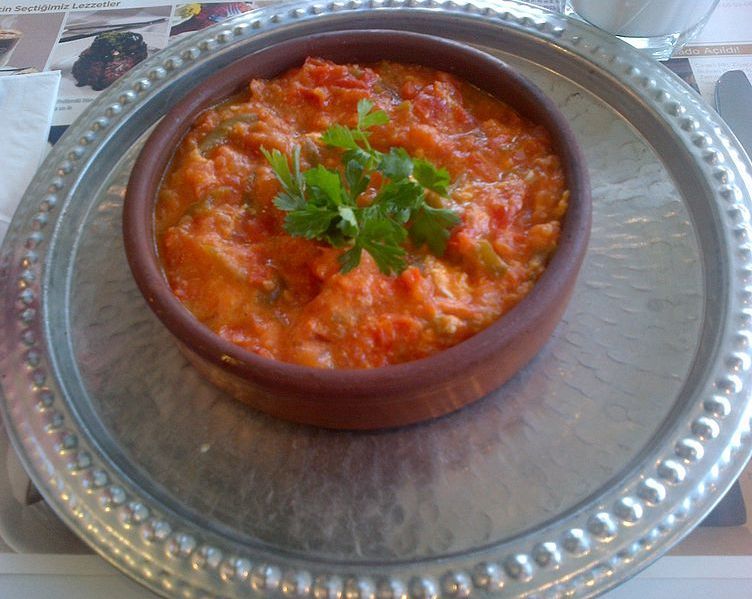
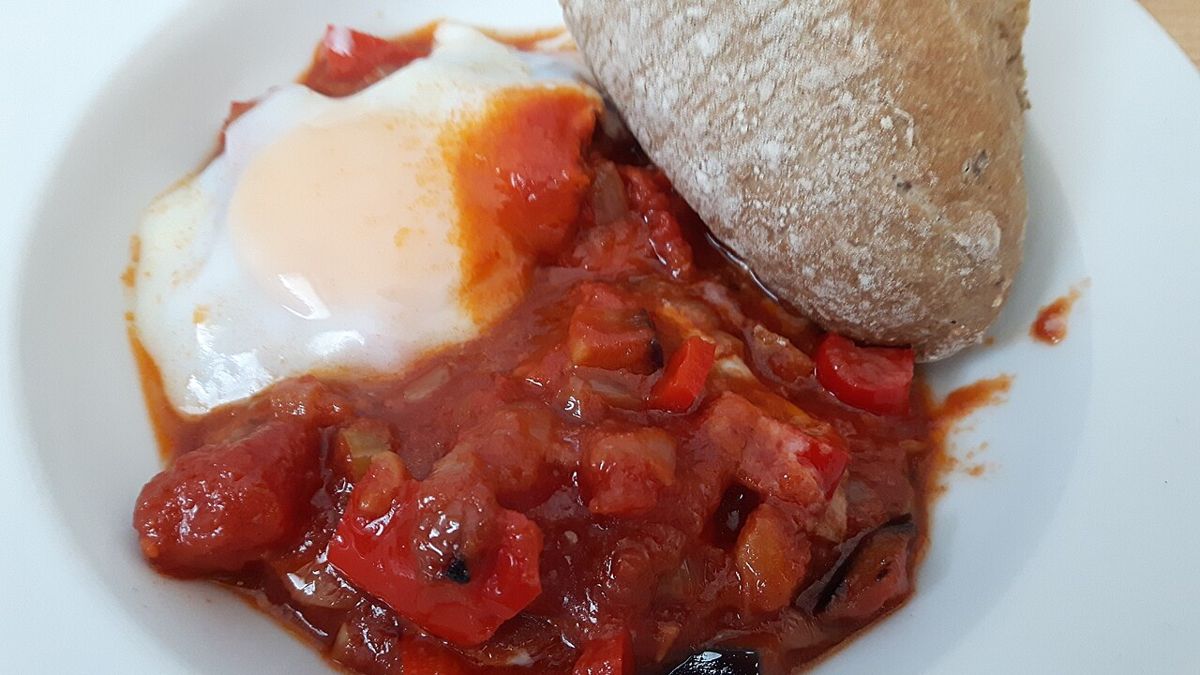
Menemen

Eggs softly scrambled or left slightly runny in a pan of tomatoes, peppers and olive oil, eaten with a lot of bread. This is a Turkish breakfast (or brunch) classic, cooked in the same pan you eat from.

Why try it: The easiest sit-down breakfast after a short night’s sleep or a balloon morning.

Often served with extra bread rather than rice. You can ask for it without spicy peppers for younger kids.

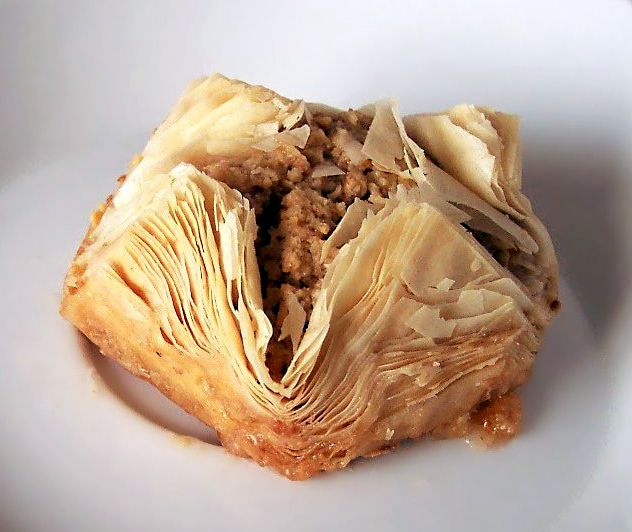
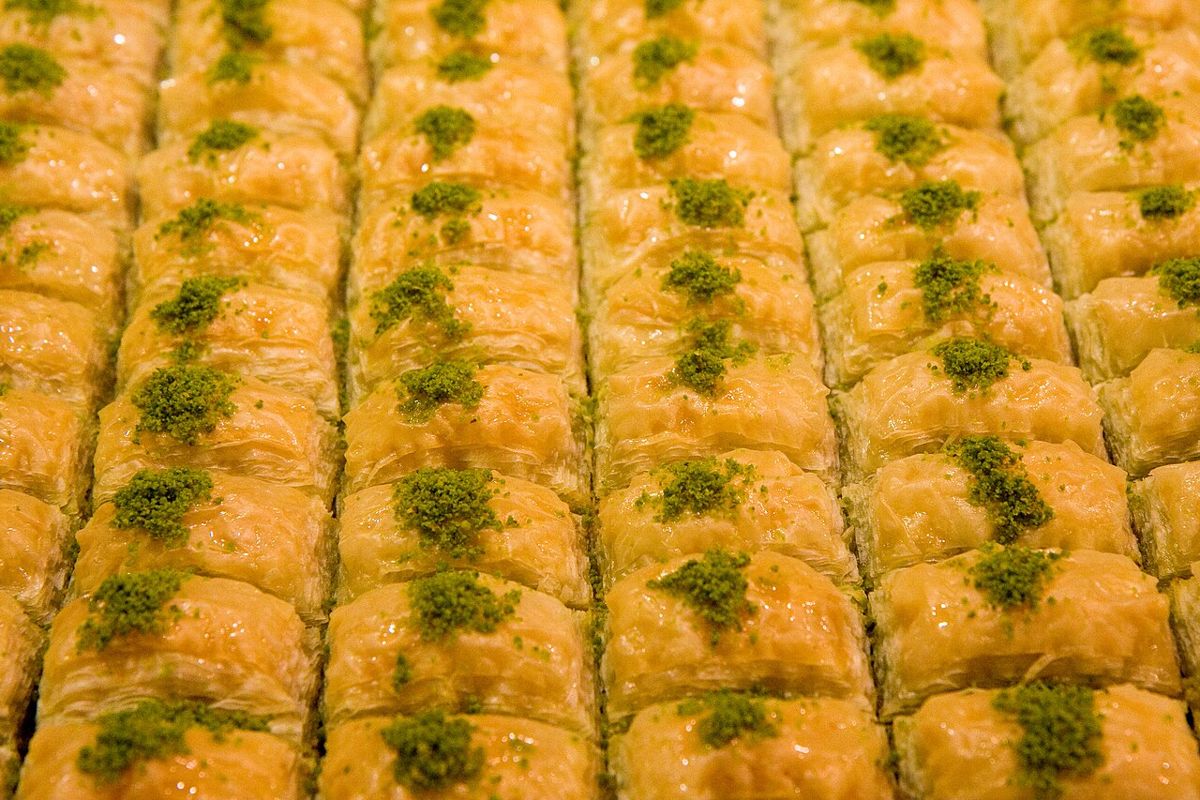
BaklavaBaklava📷 1/2
#10

Baklava

Paper-thin layers of phyllo pastry with chopped pistachios or walnuts, baked and soaked in a sweet syrup. Gaziantep pistachio baklava is the most famous style, but good baklava is sold in good pastry shops (pastane) in all three stops.

Why try it: The dessert to share slowly, not the one to buy in a huge tourist tin on day one.

Contains nuts and wheat. Buy a small mixed box from a busy pastry shop and share.

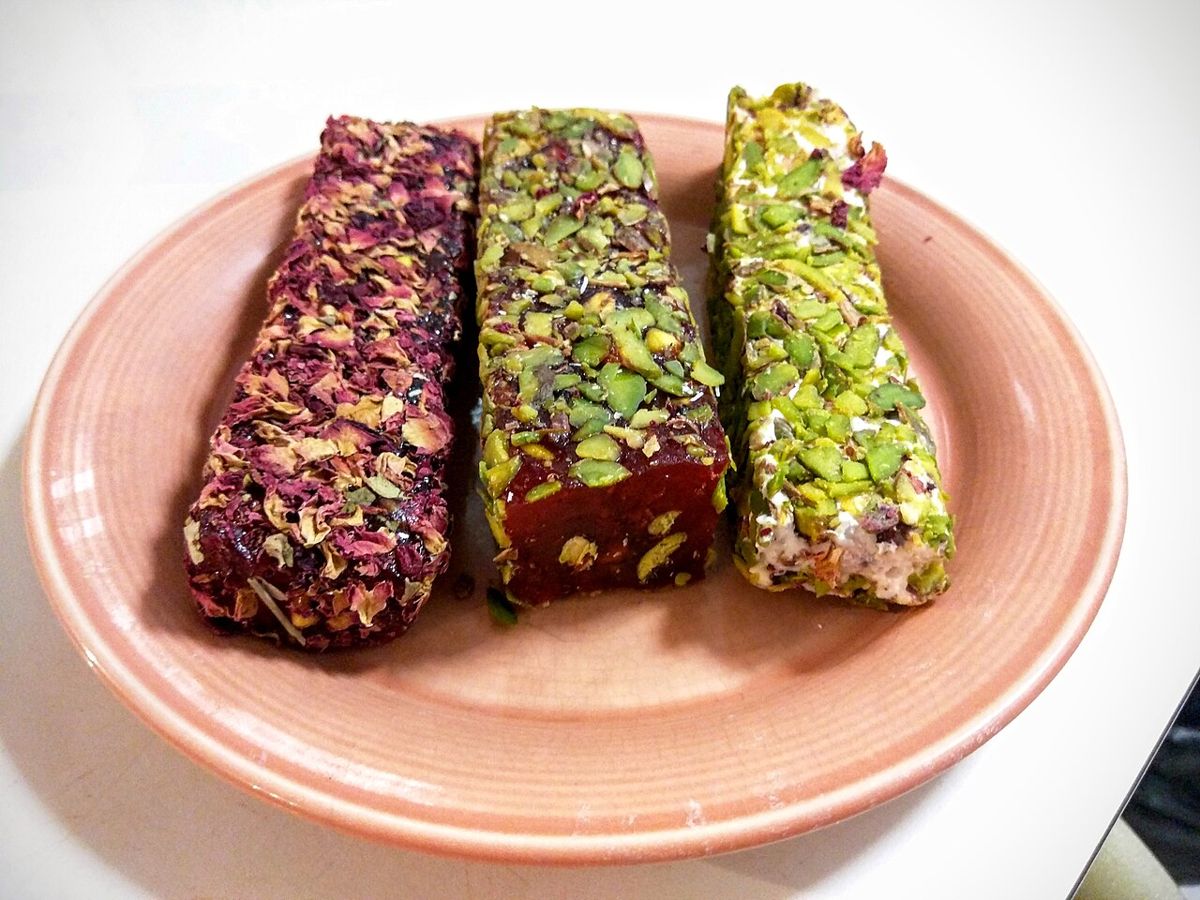
Lokum (Turkish delight)Lokum (Turkish delight)📷 1/2
#11

Lokum (Turkish delight)

A soft, starchy sugar confection, often flavored with rose, lemon, or pomegranate and sometimes filled with pistachios or wrapped in coconut. “Turkish delight” is the English name; in Turkey you ask for lokum. The Spice Bazaar is full of it.

Why try it: The souvenir sweet — try a few pieces before you buy a box.

Many pieces contain nuts. Plain rose or lemon lokum is the safer first taste for a child who cannot have pistachios.

Dondurma
#12

Dondurma

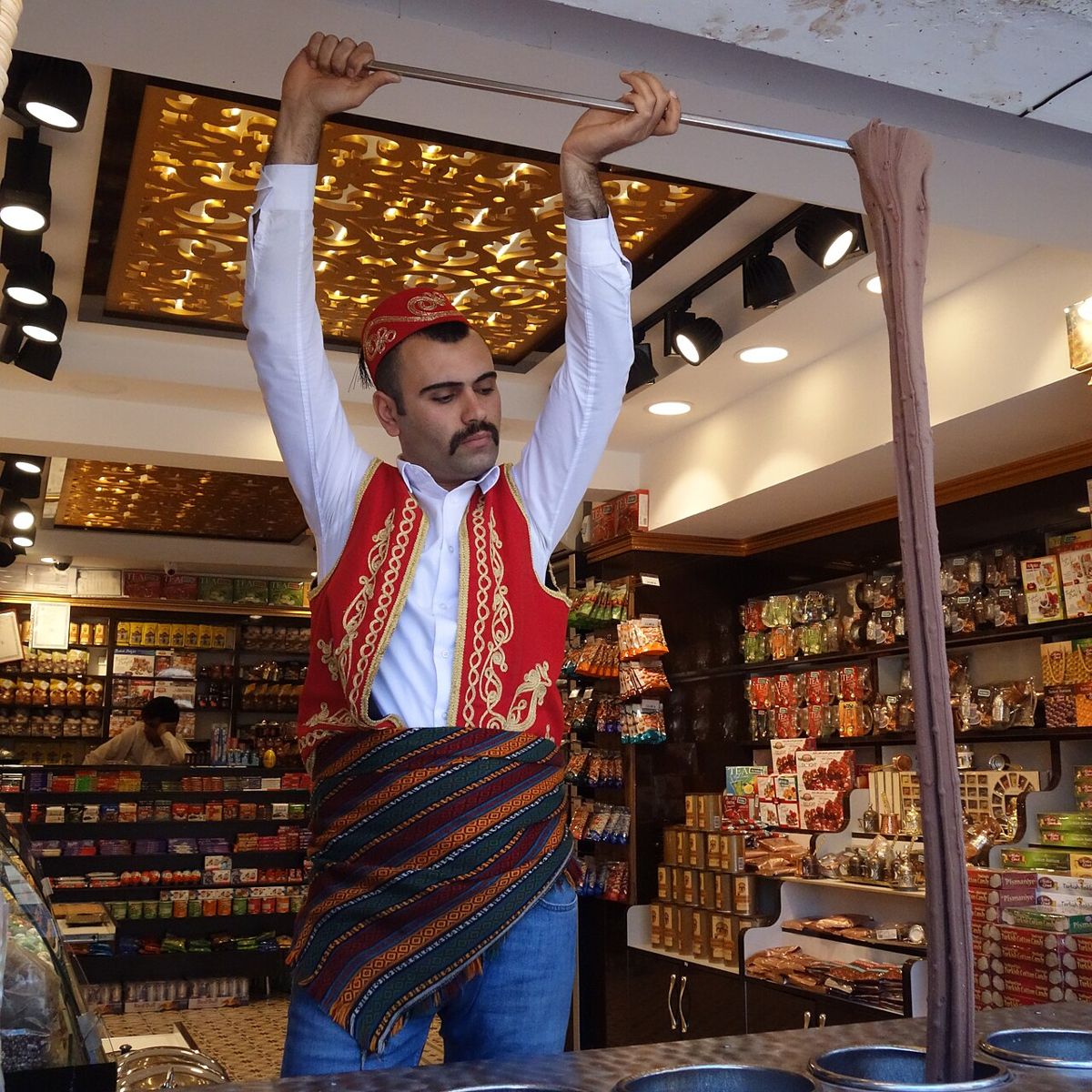
The stretchy, slightly chewy Turkish ice cream made with milk, sugar, mastic and often salep (from orchid tubers). Street vendors put on a little show with the scoop. It melts more slowly than ordinary ice cream, which helps in August.

Why try it: The dessert the kids will talk about — a show and a snack.

Contains dairy. The street show is optional; many shops also serve it in a cup with less theatre.

Traditions and Expectations

Hospitality
Guests are a point of pride. You may be offered food or a drink more than once — a warm “no thank you” is fine. Use your right hand to eat, give and take.
Drinks to skip — and what to ask for
Hosts often offer çay (black tea) or Turkish coffee. This family doesn’t drink those. Say Hayır, teşekkür ederim and ask for water (su), fresh juice, ayran (a salty yogurt drink, usually served with kebabs), or an herbal tea such as linden (ıhlamur) or apple (elma çayı). Confirm it has no black or green tea in it.
Mosque etiquette
Shoulders and knees covered; women cover hair (scarves are often available to borrow or buy at the door). Take shoes off. Speak quietly. Don’t photograph people at prayer. Visiting areas close around prayer times — Friday midday is the longest pause.
Bazaar bargaining
Expected in the Grand Bazaar and many shops, not usually in restaurants or fixed-price stores. Smile, compare, and walk away if it isn’t fun. A small budget makes it a good game for the kids.
Religion in daily life
You’ll hear the call to prayer five times a day. Practice varies a lot from person to person. Türkiye’s constitution is secular; most people are Muslim.
Photos
Ask before photographing people, especially children. Some museum interiors restrict flash or photography — follow the signs.

🗣️ Words & Phrases to Learn

Turkish is the everyday language. Pronunciations are English-friendly approximations. Hyphens split the sounds; say them evenly — we are not marking a stressed syllable. ğ is almost silent and lengthens the vowel before it (so “merhaba” is straightforward; “teşekkür” has ü like a tight “ee” with rounded lips).

c = “j” as in “jam” (thanks is teh-shek-kewr)ç = “ch” as in “church”ş = “sh” as in “shoe”ı (dotless i) = a short, relaxed “uh”ü = rounded “ee”ö = rounded “eh,” like the vowel in French deux
Merhaba
🔊 say: mehr-hah-bah
Hello
Merhaba
Teşekkür ederim
🔊 say: teh-shek-kewr eh-deh-reem
Thank you
Teşekkür ederim
Lütfen
🔊 say: lewt-fen
Please
Lütfen
Evet / Hayır
🔊 say: eh-vet / hah-yuhr
Yes / No
Evet. Hayır.
Affedersiniz
🔊 say: ah-feh-dehr-see-neez
Excuse me / sorry
Affedersiniz
Rica ederim
🔊 say: ree-jah eh-deh-reem
You’re welcome
Rica ederim
Ne kadar?
🔊 say: neh kah-dar
How much is it?
Ne kadar?
Su, lütfen
🔊 say: soo, lewt-fen
Water, please
Su, lütfen
Tuvalet nerede?
🔊 say: too-vah-let neh-reh-deh
Where is the bathroom?
Tuvalet nerede?
Afiyet olsun
🔊 say: ah-fee-yet ol-soon
Enjoy your meal (said to someone who is eating)
Afiyet olsun
Güle güle
🔊 say: gew-leh gew-leh
Goodbye (said by the person who is staying)
Güle güle
Anlamıyorum
🔊 say: ahn-lah-muh-yo-room
I don’t understand
Anlamıyorum

🎙️ = a real recording of a native Turkish speaker from Lingua Libre / Wikimedia Commons (CC BY-SA 4.0). 🔈 = your device’s built-in Turkish computer voice reading the Turkish text — clearly a computer voice, not a substitute for the native clips. If your device has no Turkish voice, the button will say so. Native clips we sourced: merhaba (MustafaCavlak), teşekkür ederim / lütfen / affedersiniz (Veravi95), evet / hayır / güle güle / afiyet olsun (ToprakM).

Top Can't-Miss Picks

Our ranked picks for a family that loves local culture and food. Tap a name to jump to its tile.

  1. Hagia Sophia — The one building that holds Byzantine and Ottoman Istanbul in a single visit.
  2. Cappadocia sunrise balloon flight — The single most memorable morning of the trip if the weather allows it.
  3. Göreme Open-Air Museum — The clearest place to see Cappadocia’s painted cave churches without a long drive.
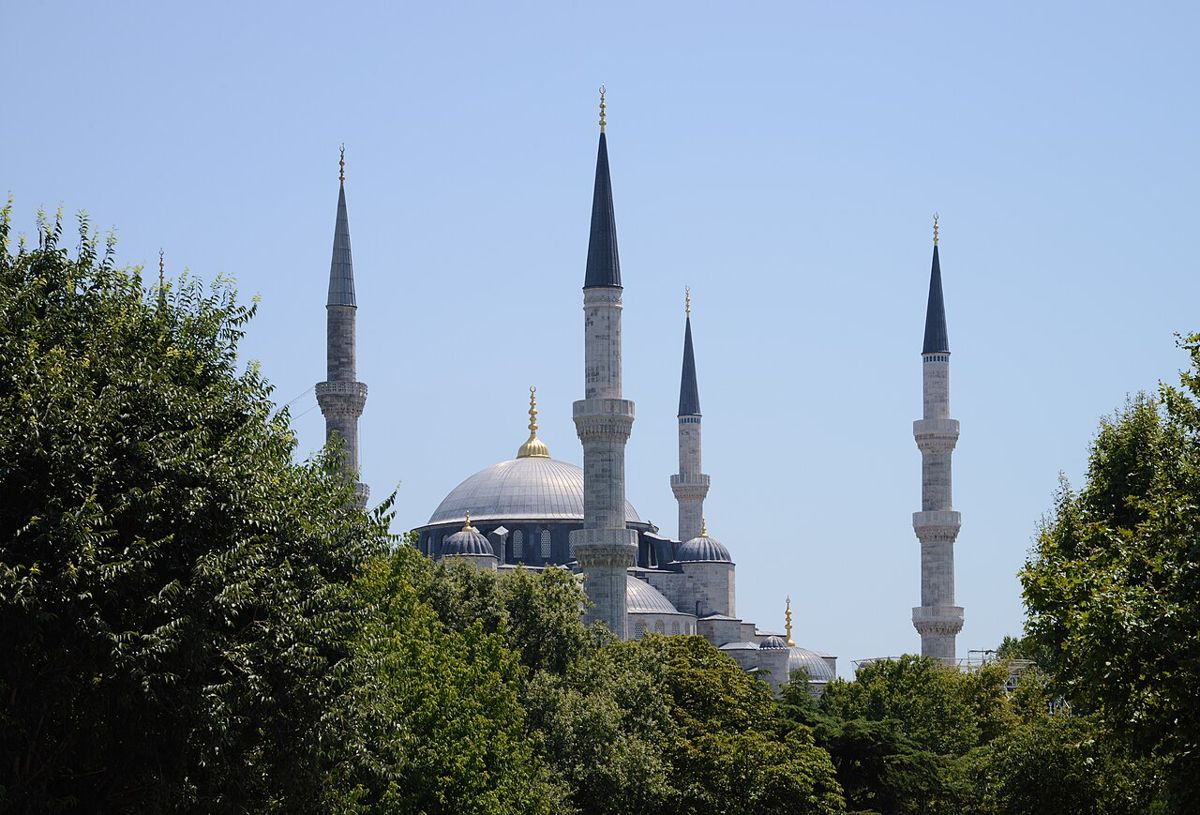
  4. Blue Mosque (Sultan Ahmed Mosque) — Free, right next to Hagia Sophia, and still a living neighborhood mosque.
  5. Topkapı Palace — The best single place to understand Ottoman court life — and a breezy viewpoint on a hot day.
  6. Grand Bazaar — The classic Istanbul market day — better as a scavenger hunt than as a shopping marathon.
  7. Bosphorus ferry or cruise — The geography lesson the kids will actually remember — two continents, one waterway.
  8. Kaymaklı Underground City — Unlike anything else on the trip — and naturally cool in the August heat.
  9. Basilica Cistern — The coolest (literally) ancient interior in Sultanahmet, and a hit with kids.
  10. Spice Bazaar (Mısır Çarşısı) — The best place to look at, smell and taste souvenirs you will actually use — and it sits next to the ferries.
  11. Bodrum boat day — The heat relief the kids will ask to repeat, and the classic Bodrum day.
  12. Bodrum Castle (Underwater Archaeology Museum) — A real castle plus a world-class shipwreck museum — the culture day in Bodrum.

Things to Do — Ranked

All ideas in one list, in the order we’d prioritize them (#1 = do first). This is a starter list, not an encyclopedia. Costs show local currency or euros with approx USD (see the rate strip). Official ticket links are included when we found a real online sale.

Hagia SophiaHagia SophiaHagia SophiaHagia Sophia📷 1/4
#1Can't MissIstanbulHistoryCulture

Hagia Sophia

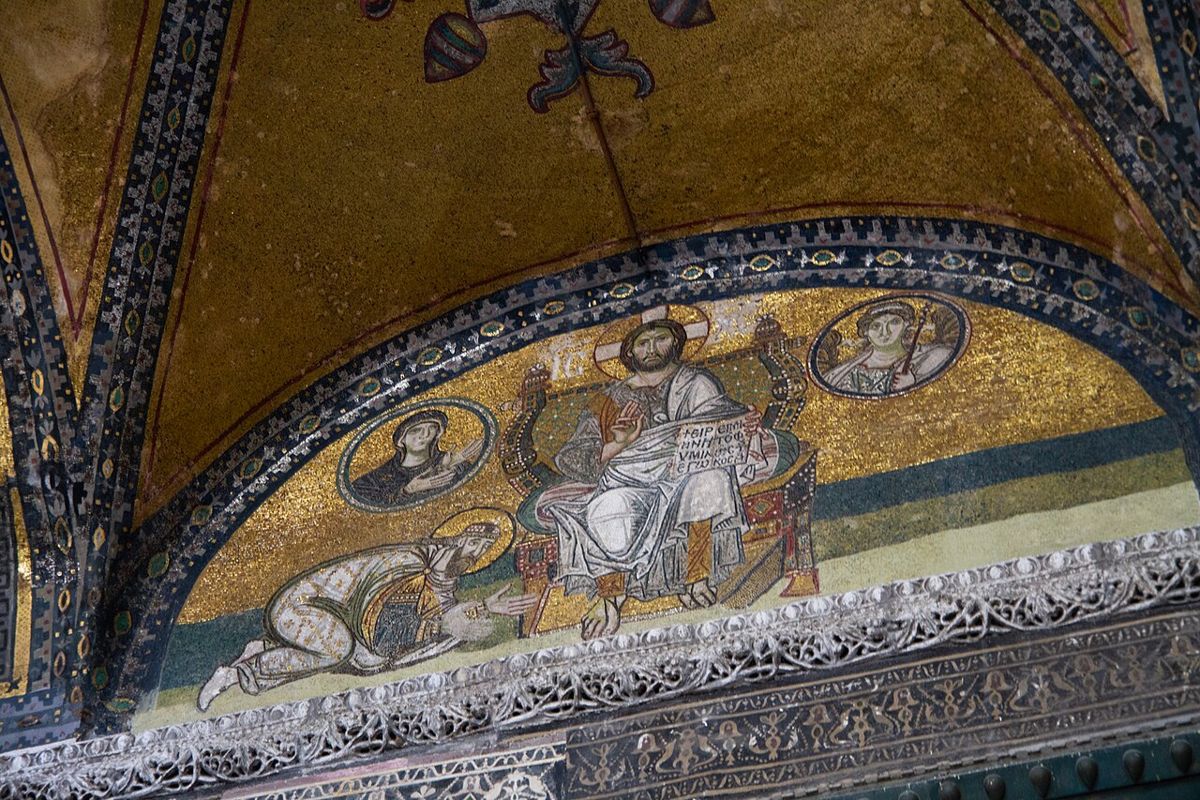
The one building that holds Byzantine and Ottoman Istanbul in a single visit.

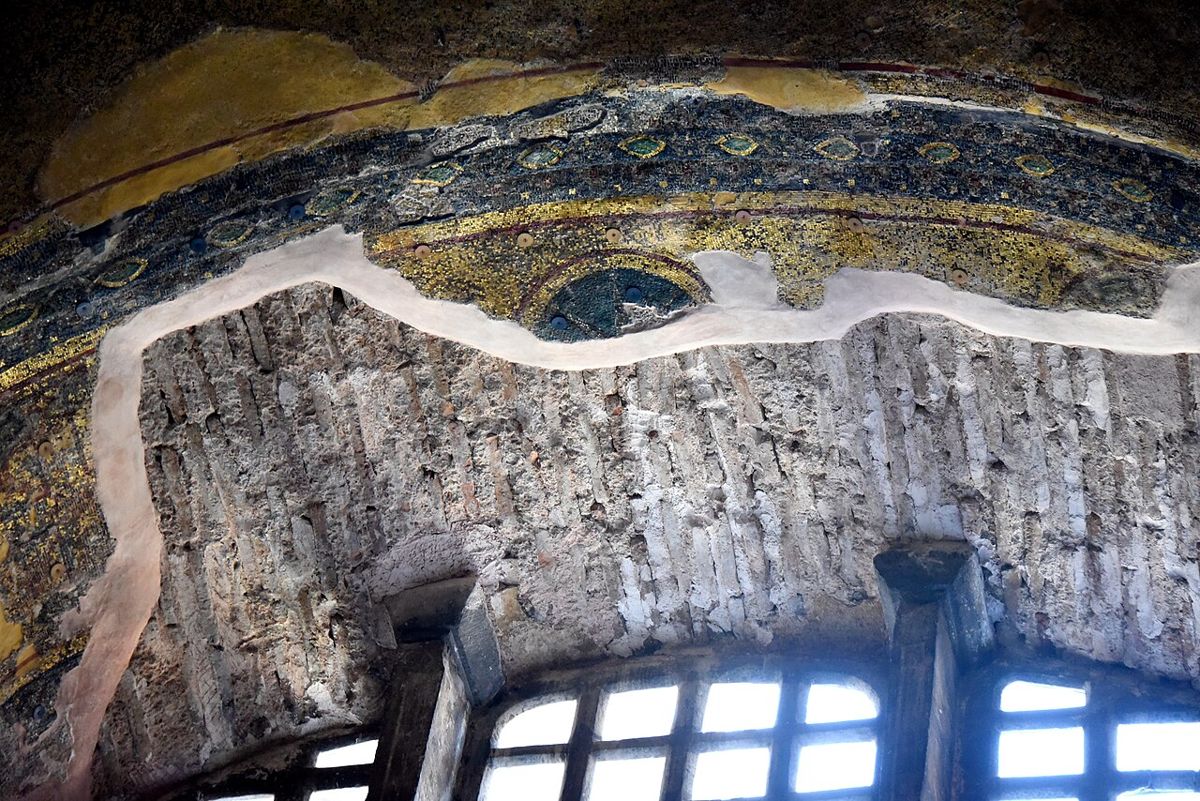
What it is: A 6th-century Byzantine cathedral, later an Ottoman mosque, then a museum, and since 2020 a working mosque again. Foreign visitors now enter a paid upper-gallery route to see the mosaics and look down into the prayer hall; the ground floor is for worship.

Kids: The scale of the dome, the giant calligraphy roundels, and (if you use it) the official phone AR guide in many languages. Lots of stairs/ramps — not great with a stroller (the official page says to fold them).

  • ⏱ 1–1.5 hrs. Summer visiting hours start at 08:00; box office to 19:00. Visiting area closed 12:00–14:00 on Fridays for prayers.
  • 🎟️ €25 (≈ $28) foreign visitor (official muze.gen.tr page, checked Nov 9, 2026). Children under 8 free with an adult and a passport or ID. Museum Pass not valid. Euro-to-lira rate is set at the booth. · Buy official tickets (DEM Museums) →
  • 🌤 Best: Opening time, not Friday midday.
  • 💡 Go at opening. Dress code applies (shoulders and knees covered; women cover hair). Official page: do not photograph people at prayer. Scarves/body covers sold at the booth (€1 (≈ $1.12) / €3 (≈ $3.36) on the official page).
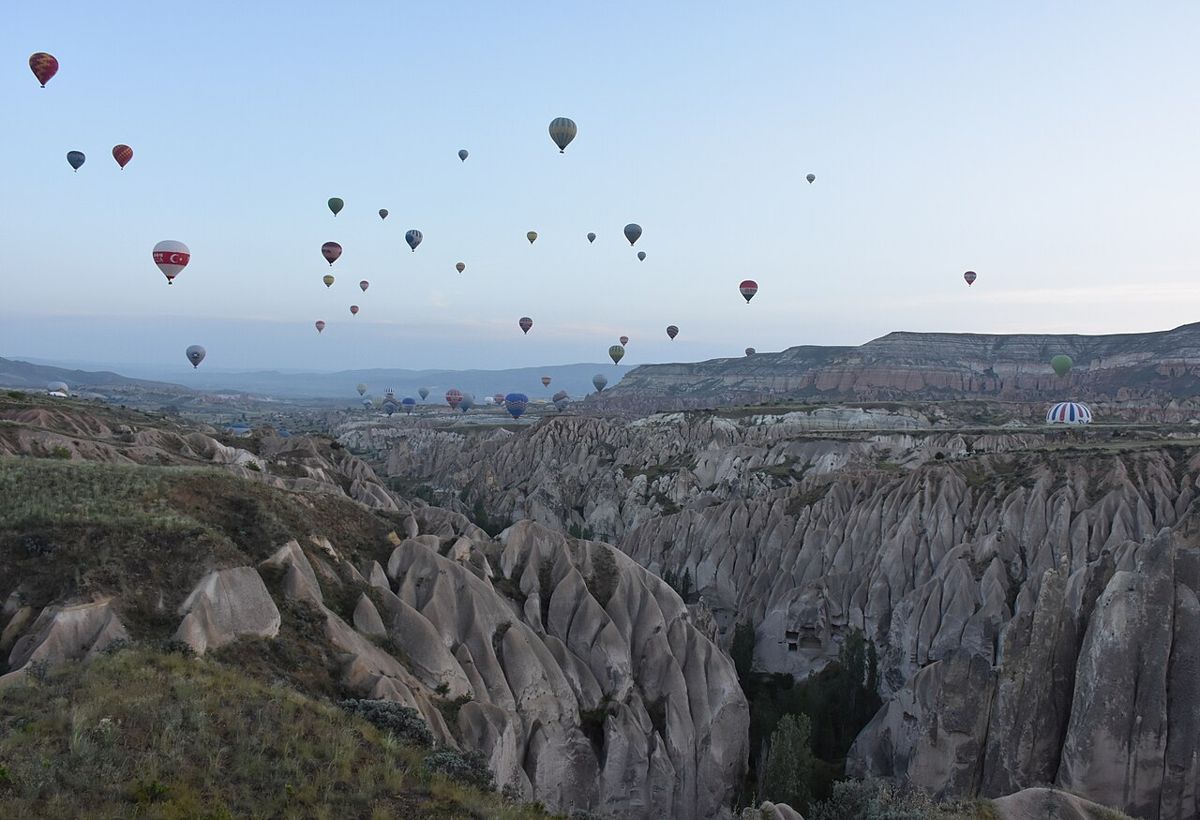
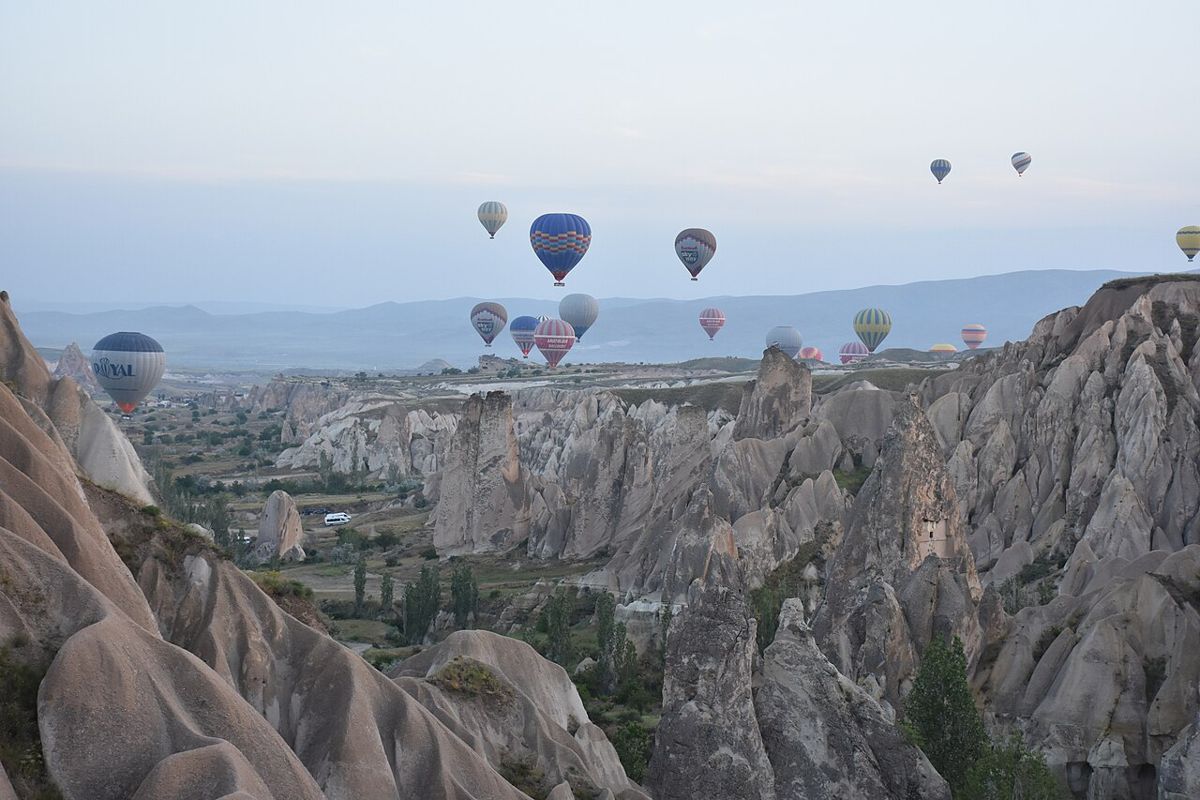
Cappadocia sunrise balloon flightCappadocia sunrise balloon flightCappadocia sunrise balloon flightCappadocia sunrise balloon flight📷 1/4
#2Can't MissCappadociaKidsCulture

Cappadocia sunrise balloon flight

The single most memorable morning of the trip if the weather allows it.

What it is: A dawn hot-air balloon flight over the valleys and fairy chimneys around Göreme. Pickup is before sunrise; you watch the balloons inflate, fly about 45–60 minutes, then usually have a short ceremony on landing. Weather (especially wind) cancels flights often — that is normal, not a bait-and-switch.

Kids: Most licensed operators set a minimum age of 6, and some also want kids tall enough to see over the basket and hold a landing position (around 4 ft 6 in / 137 cm is a figure some companies use). Crew should be 6 going on 7 by summer 2027 — confirm age, height and the landing stance with the operator before you pay. Children fly with an adult.

  • ⏱ Allow 3–4 hours door to door, starting very early.
  • 🎟️ There is no single official price. Peak-summer standard flights are often in the €150–250 (≈ $168–$280)+ per person range, with smaller “premium” baskets costing more. That is a late-2026 market estimate, not a quote. Book a licensed operator; weather cancellations are usually rebooked or refunded. · no reliable official online sale found, or price not published
  • 🌤 Best: First clear, calm morning in Cappadocia.
  • 💡 Book the first morning you can (suggested: Aug 3) and keep the next morning free as a weather backup. Do not schedule a tight midday flight out of Cappadocia after a balloon attempt.
Göreme Open-Air MuseumGöreme Open-Air MuseumGöreme Open-Air MuseumGöreme Open-Air Museum📷 1/4
#3Can't MissCappadociaHistoryCultureKids

Göreme Open-Air Museum

The clearest place to see Cappadocia’s painted cave churches without a long drive.

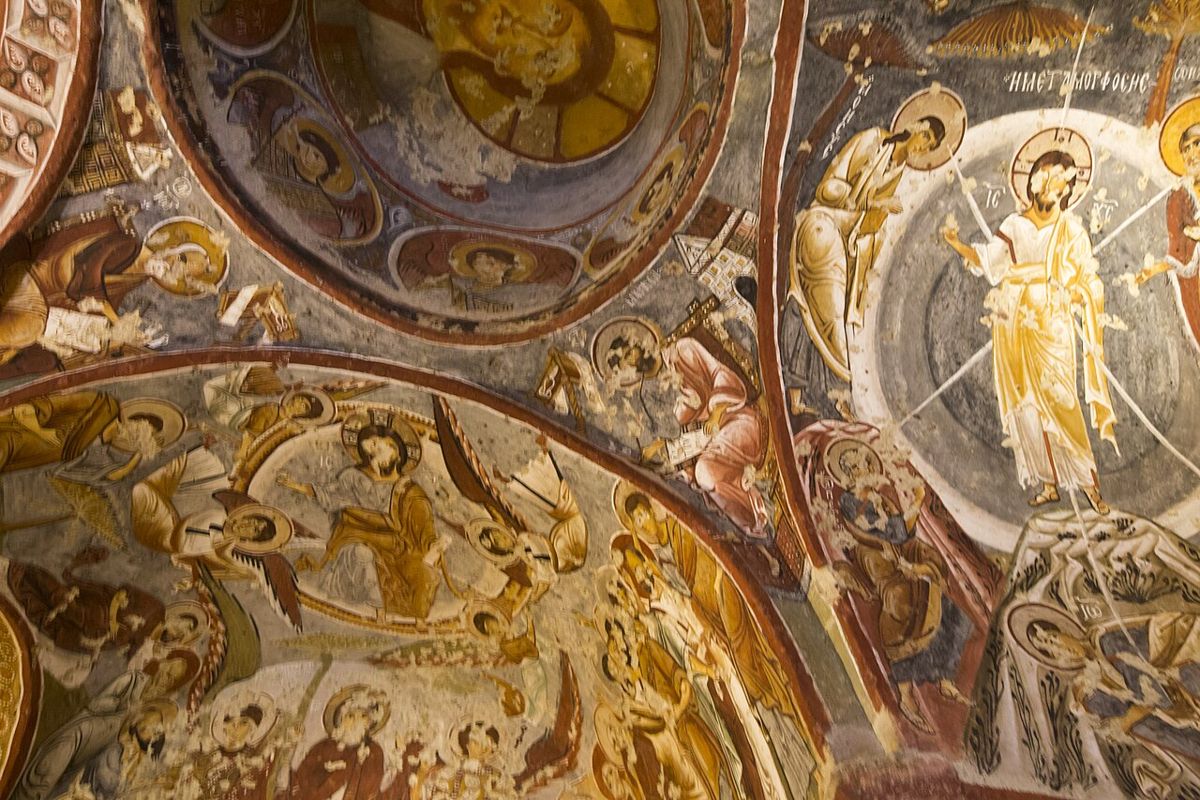
What it is: A UNESCO-listed cluster of rock-cut churches, chapels and monastic rooms carved into the tuff around Göreme. You walk a compact outdoor site and step into frescoed cave churches. The Dark Church (Karanlık Kilise) is a separate ticket and has some of the best-preserved paintings.

Kids: Cave rooms, carved “fairy chimney” rock, and a treasure-hunt for animals and saints in the frescoes. Some interiors are dark, uneven and crowded — hold hands and skip the Dark Church if the line or the steps look like too much.

  • ⏱ 1.5–2 hrs. Official hours listed 08:00–17:00 (ticket office 16:15) — confirm on the day; summer hours can run longer.
  • 🎟️ €20 (≈ $22) foreign visitor for the main site (official muze.gov.tr page, checked against 2026 ministry listings). The Dark Church is commonly a separate about €6 (≈ $6.72) ticket. Official e-tickets are sold on muze.gov.tr. · Buy official e-ticket →
  • 🌤 Best: Opening time.
  • 💡 Go at opening before the tour buses and the heat. Hats and water. A Museum Pass Cappadocia (€65 (≈ $73) for 3 days, official 2026 tariff) only pays off if you also do several other ministry sites (underground city, Zelve–Paşabağ, Ihlara, etc.).
Blue Mosque (Sultan Ahmed Mosque)Blue Mosque (Sultan Ahmed Mosque)Blue Mosque (Sultan Ahmed Mosque)Blue Mosque (Sultan Ahmed Mosque)📷 1/4
#4Can't MissIstanbulCulture

Blue Mosque (Sultan Ahmed Mosque)

Free, right next to Hagia Sophia, and still a living neighborhood mosque.

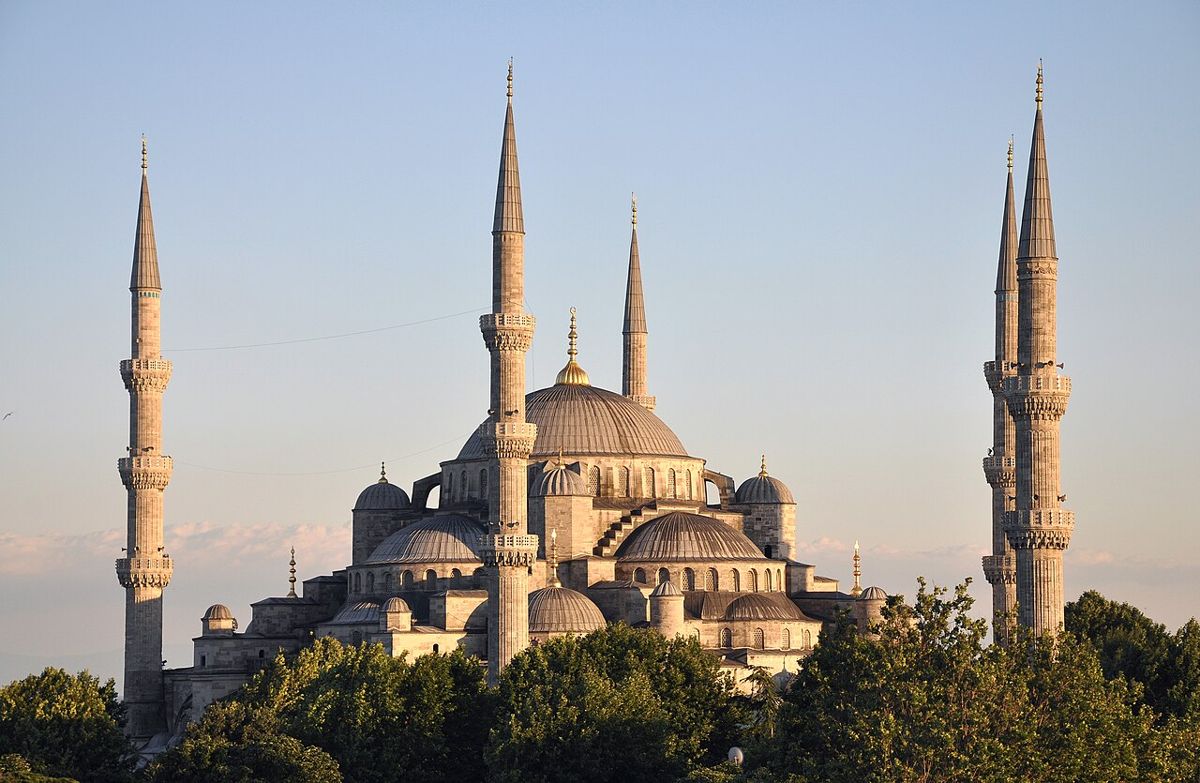
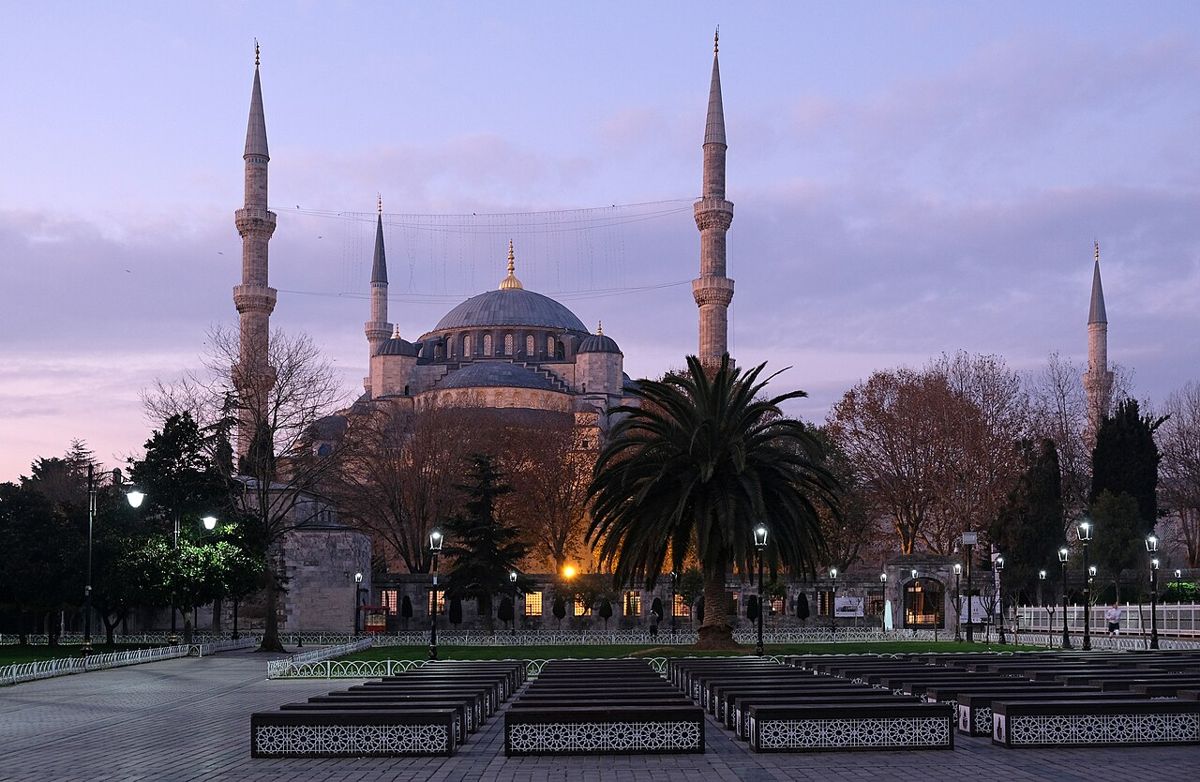
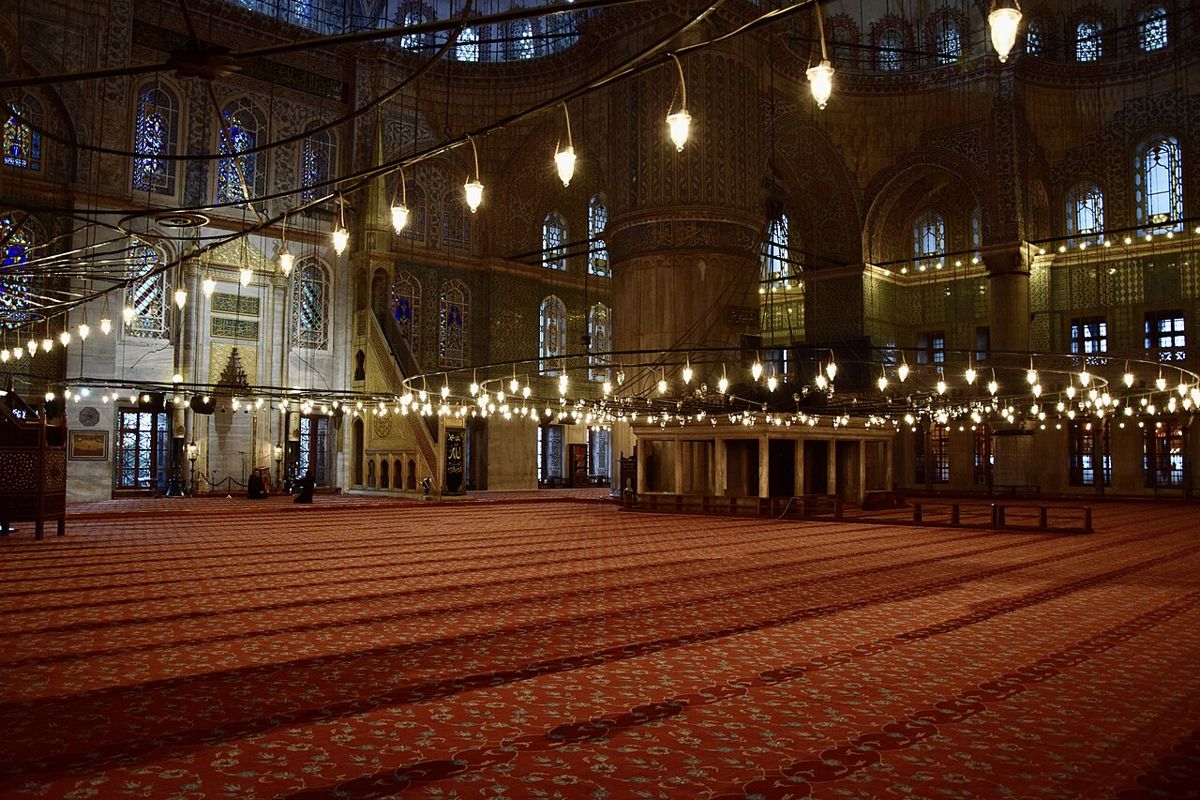
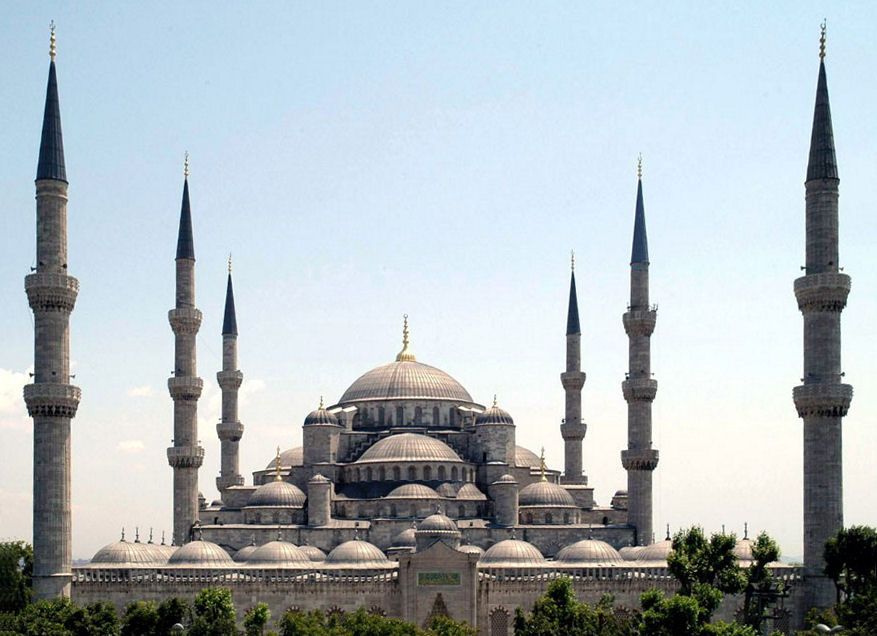
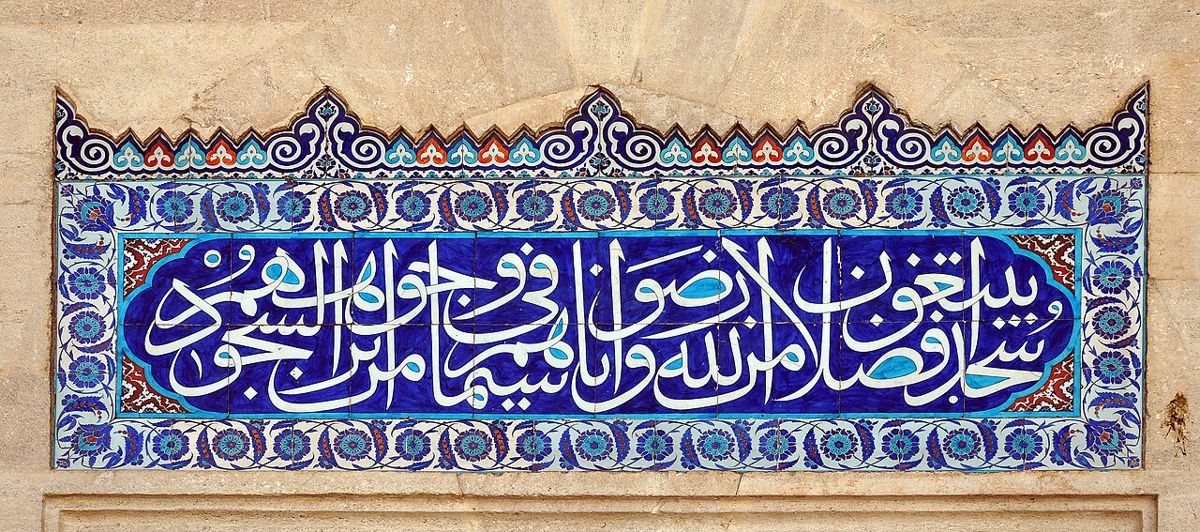
What it is: The great Sultanahmet mosque finished in 1617, facing Hagia Sophia across the square. It is a working mosque. Visitors are welcome outside prayer times to walk the courtyard and the prayer hall and see the blue İznik tiles that gave it the nickname.

Kids: Count the six minarets and the tile patterns. It is quieter than it looks from outside if you go early. No running; this is a place of worship.

  • ⏱ 30–45 min. Closed to tourists during prayers; Friday midday is the longest pause.
  • 🎟️ Free to visit. Optional modest-dress wraps at the door if you need them.
  • 🌤 Best: Early morning, not prayer time.
  • 💡 Dress code: shoulders and knees covered; women cover hair; shoes off. Pair it with Hagia Sophia the same morning, with a rest in the square or Gülhane Park after.
Topkapı PalaceTopkapı PalaceTopkapı PalaceTopkapı Palace📷 1/4
#5Can't MissIstanbulHistoryCultureKids

Topkapı Palace

The best single place to understand Ottoman court life — and a breezy viewpoint on a hot day.

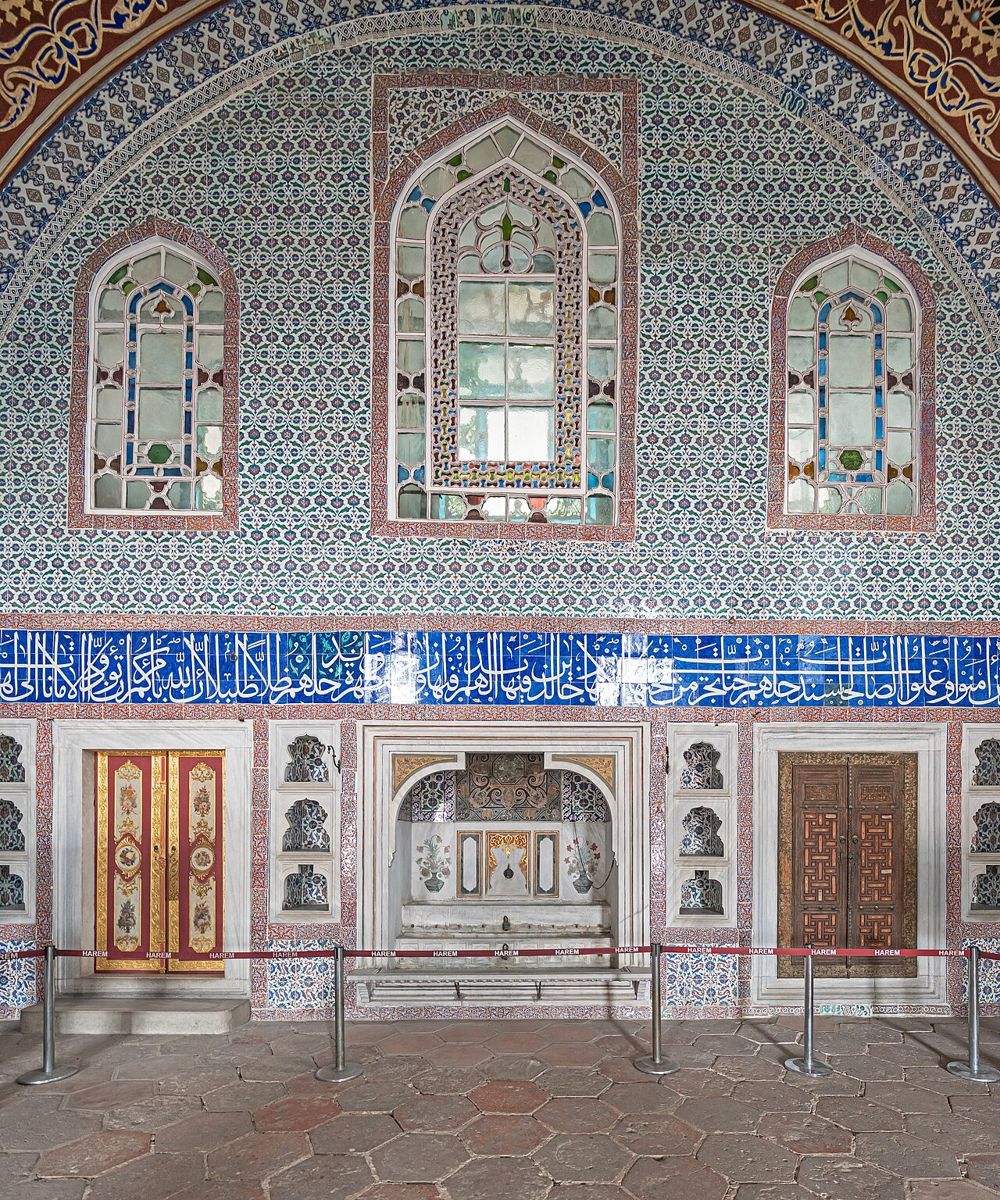
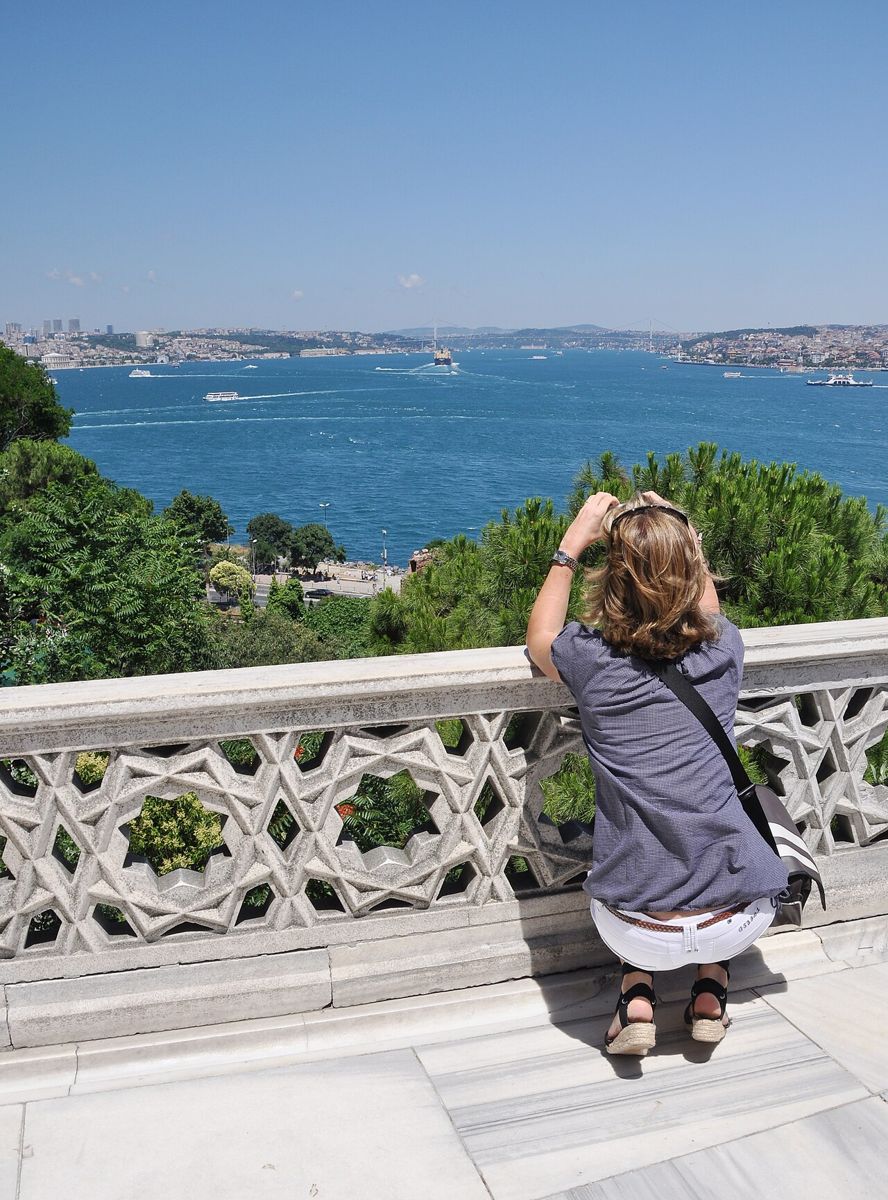
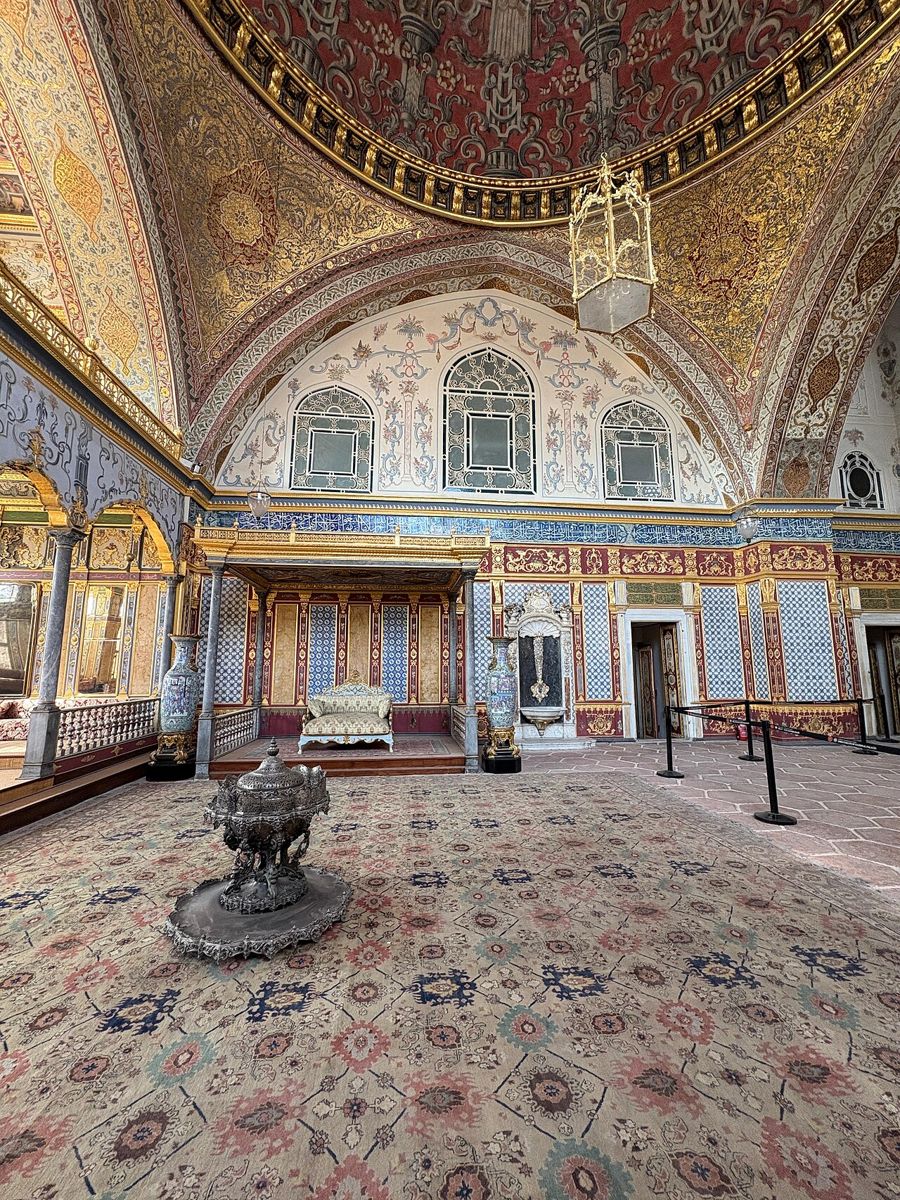
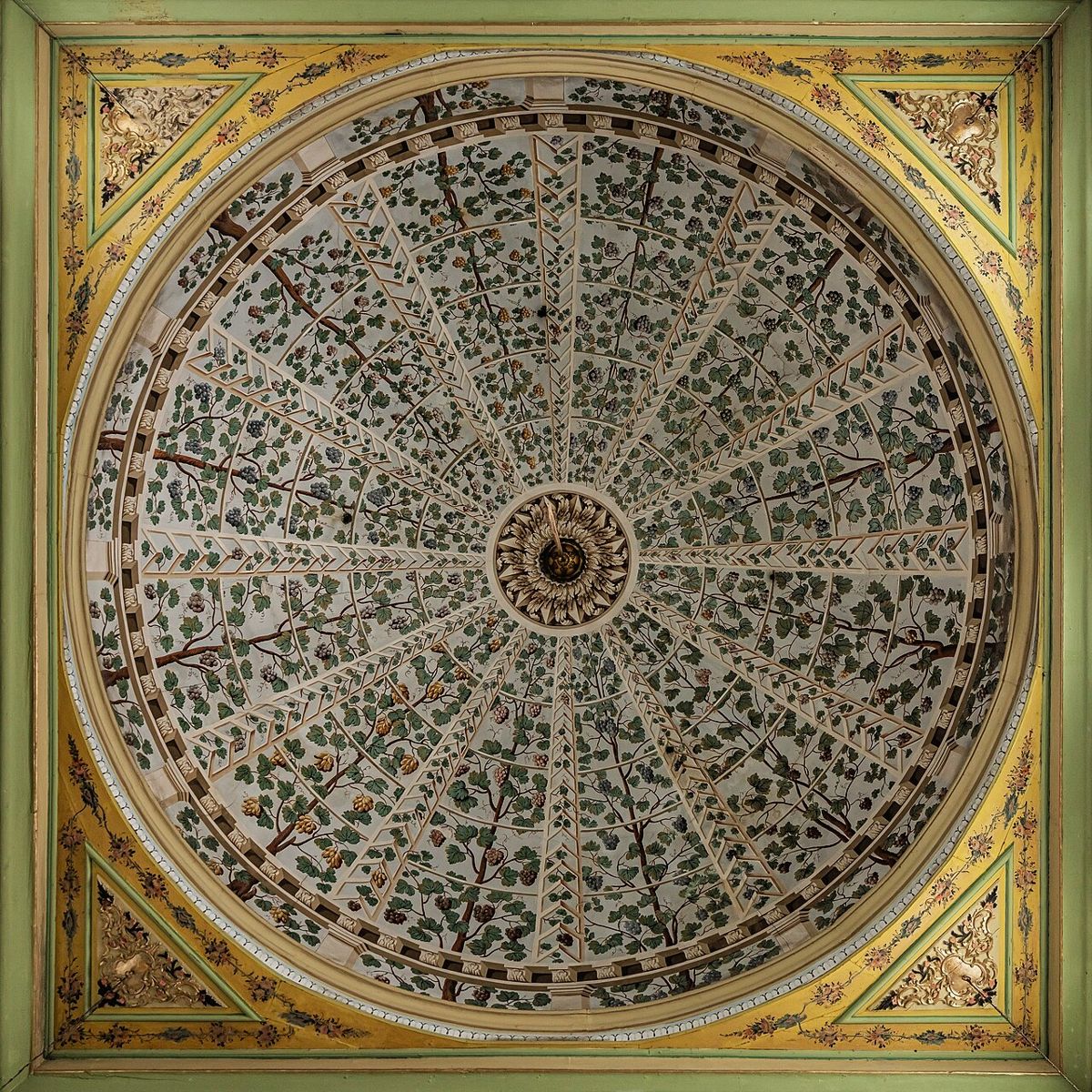
What it is: The main Ottoman palace from the 1460s until the mid-19th century, on the tip of the historic peninsula. You walk a series of courtyards to the treasury, holy relics, kitchens, and (on the combined ticket) the Harem and Hagia Irene. The terrace looks out over the Bosphorus.

Kids: Armor and jeweled objects in the treasury, huge palace kitchens, and the “we’re at the edge of two continents” view. It is a lot of walking in the sun — start early and use the shade of the courtyards.

  • ⏱ 2.5–3.5 hrs. Closed Tuesdays. Ticket office commonly 09:00–17:00 (confirm on the official National Palaces page).
  • 🎟️ Combined ticket for the palace, Harem and Hagia Irene: 2,750 TRY (≈ $55) (official National Palaces / ministry listings, checked Nov 9, 2026). Harem or Hagia Irene alone are listed at 1,050 TRY (≈ $21) each. Museum Pass generally does not replace this ticket — the palace is run by National Palaces, not the ministry museum pass.
  • 🌤 Best: Opening time, Wednesday–Monday.
  • 💡 Jul 27, 2027 is a Tuesday, so do not plan this for arrival day. Buy at the official ticket office unless National Palaces has opened online sales for Topkapı by then (their general e-ticket page has excluded Topkapı at times).
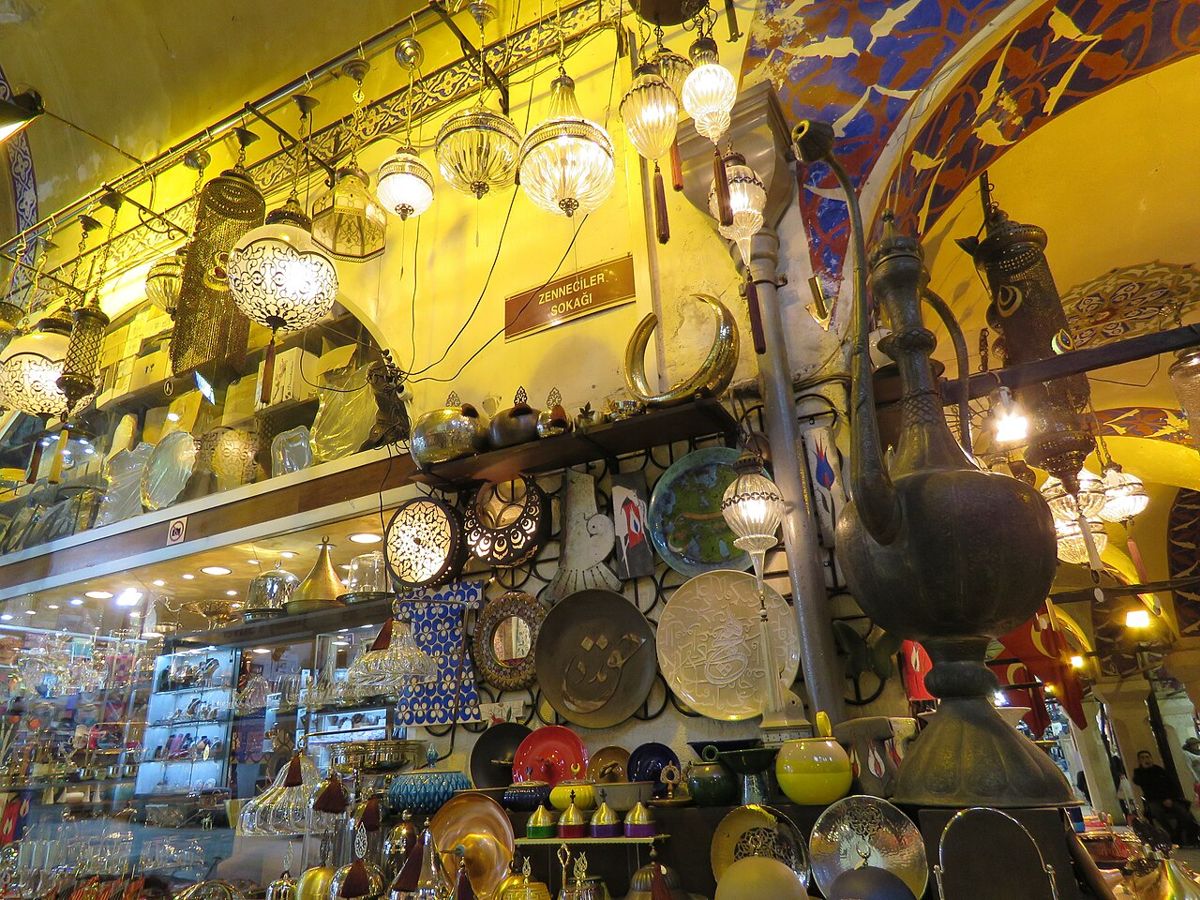
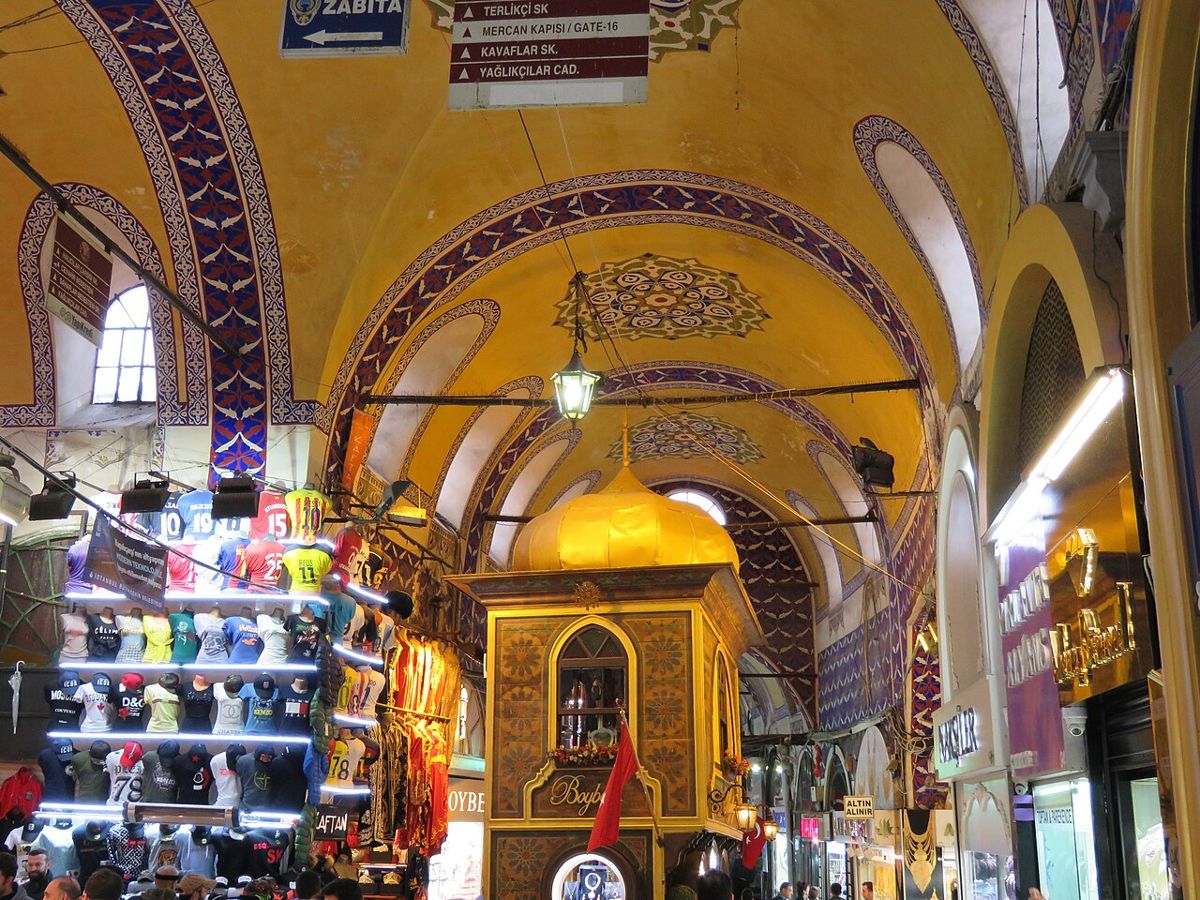
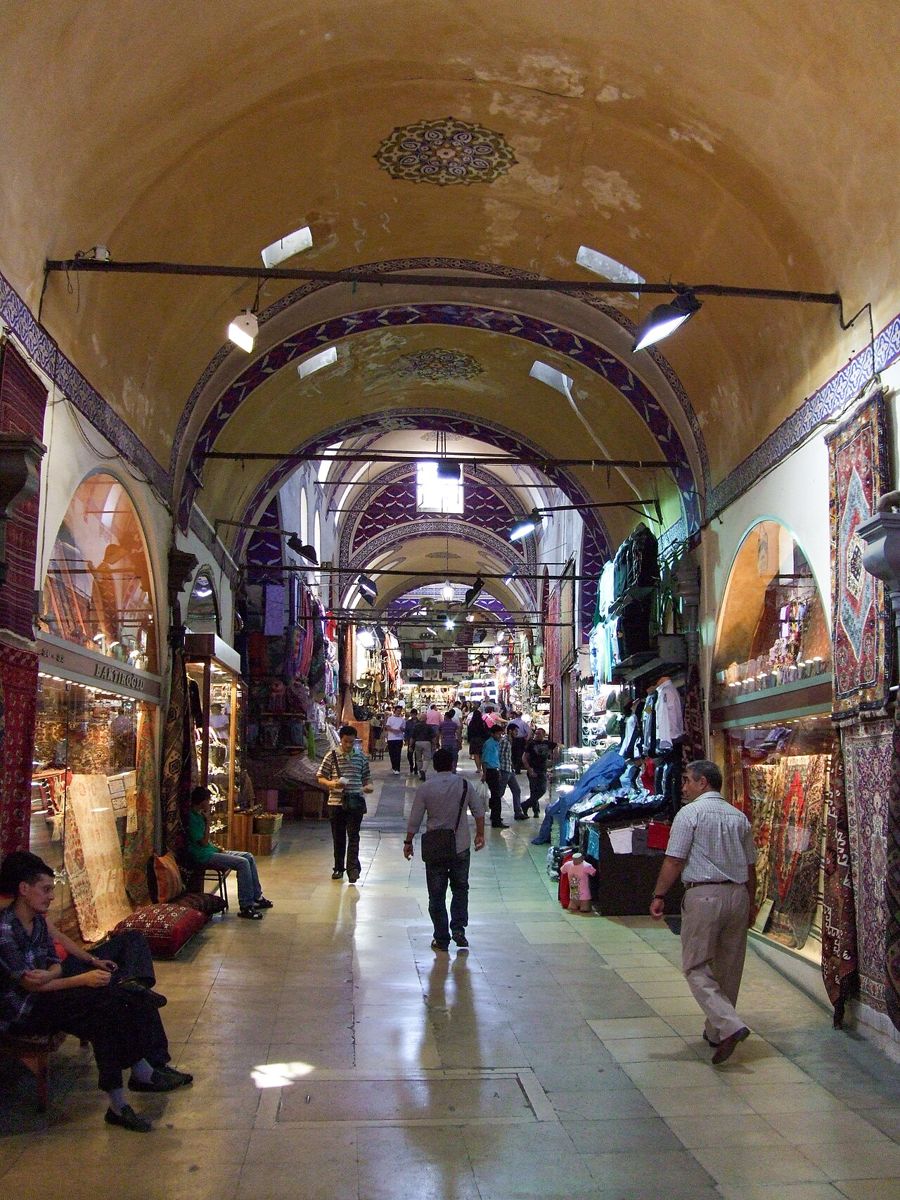
Grand BazaarGrand BazaarGrand Bazaar📷 1/3
#6Must DoIstanbulCultureKids

Grand Bazaar

The classic Istanbul market day — better as a scavenger hunt than as a shopping marathon.

What it is: Kapalıçarşı — a covered market of thousands of shops, in something like its present form since the 15th century. Streets are loosely organized by trade: lamps, jewelry, textiles, leather, souvenirs. You browse, watch craftsmen, and practice friendly haggling.

Kids: A “find the lantern / find the chess set / find the cat” hunt works well. Keep a firm meeting point. It is easy to get turned around; the maze is the point.

  • ⏱ 1–2 hrs. Typically open Monday–Saturday about 08:30/09:00–19:00; closed Sundays (confirm near your dates).
  • 🎟️ Free to enter. What you buy is up to you. Bargaining is expected in many shops; restaurants and some fixed-price stores are different.
  • 🌤 Best: Morning, not Sunday.
  • 💡 Go in the morning before the peak crowd and the peak heat. Keep bags zipped. “This way, the bazaar is closed” from a stranger is a classic redirect toward a shop — use your own map.
Bosphorus ferry or cruiseBosphorus ferry or cruiseBosphorus ferry or cruise📷 1/3
#7Must DoIstanbulKids

Bosphorus ferry or cruise

The geography lesson the kids will actually remember — two continents, one waterway.

What it is: A boat ride on the strait that divides Europe and Asia, past palaces, wooden waterfront houses and both current bridges. The inexpensive, local way is a Şehir Hatları city ferry (for example from Eminönü toward Üsküdar, Kadıköy or further up the Bosphorus). Tourist cruise boats leave from the same waterfront and cost more.

Kids: Boats, bridges, palaces on the shore, and a breeze on a hot day. Bring hats and water; the upper deck is sunny.

  • ⏱ A short crossing is 20 minutes; a longer public Bosphorus run is closer to 1.5–2 hrs one way.
  • 🎟️ City ferries are cheap and use an Istanbulkart — check the current fare on the official Şehir Hatları site; we did not lock a 2027 price. Private tourist cruises vary widely (often much more). Prefer the public ferry unless you specifically want a guided tourist boat. · Şehir Hatları (city ferries) →
  • 🌤 Best: Morning or late afternoon.
  • 💡 Morning or late afternoon is more comfortable than midday. Pair a short ferry with a walk in Kadıköy on the Asian side if energy allows.
Kaymaklı Underground CityKaymaklı Underground CityKaymaklı Underground City📷 1/3
#8Must DoCappadociaHistoryKids

Kaymaklı Underground City

Unlike anything else on the trip — and naturally cool in the August heat.

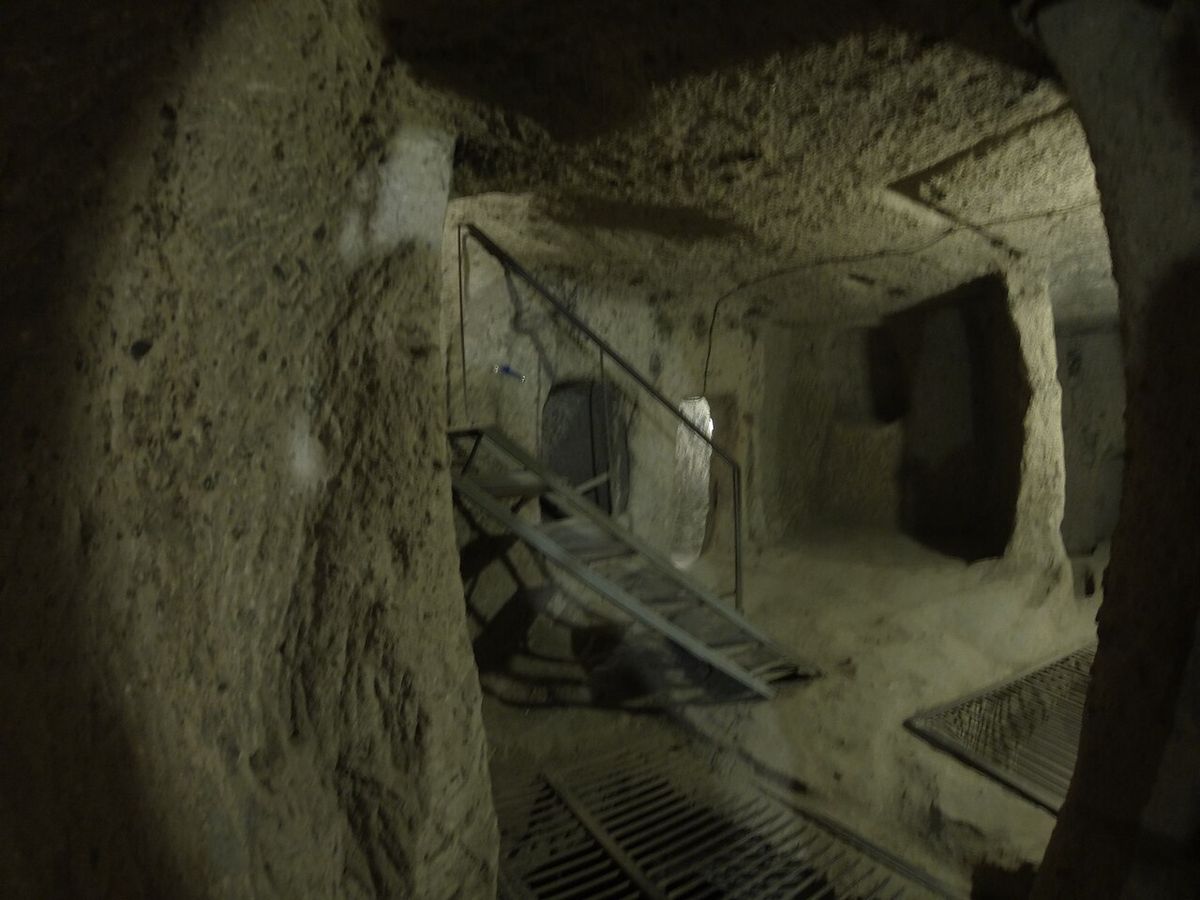
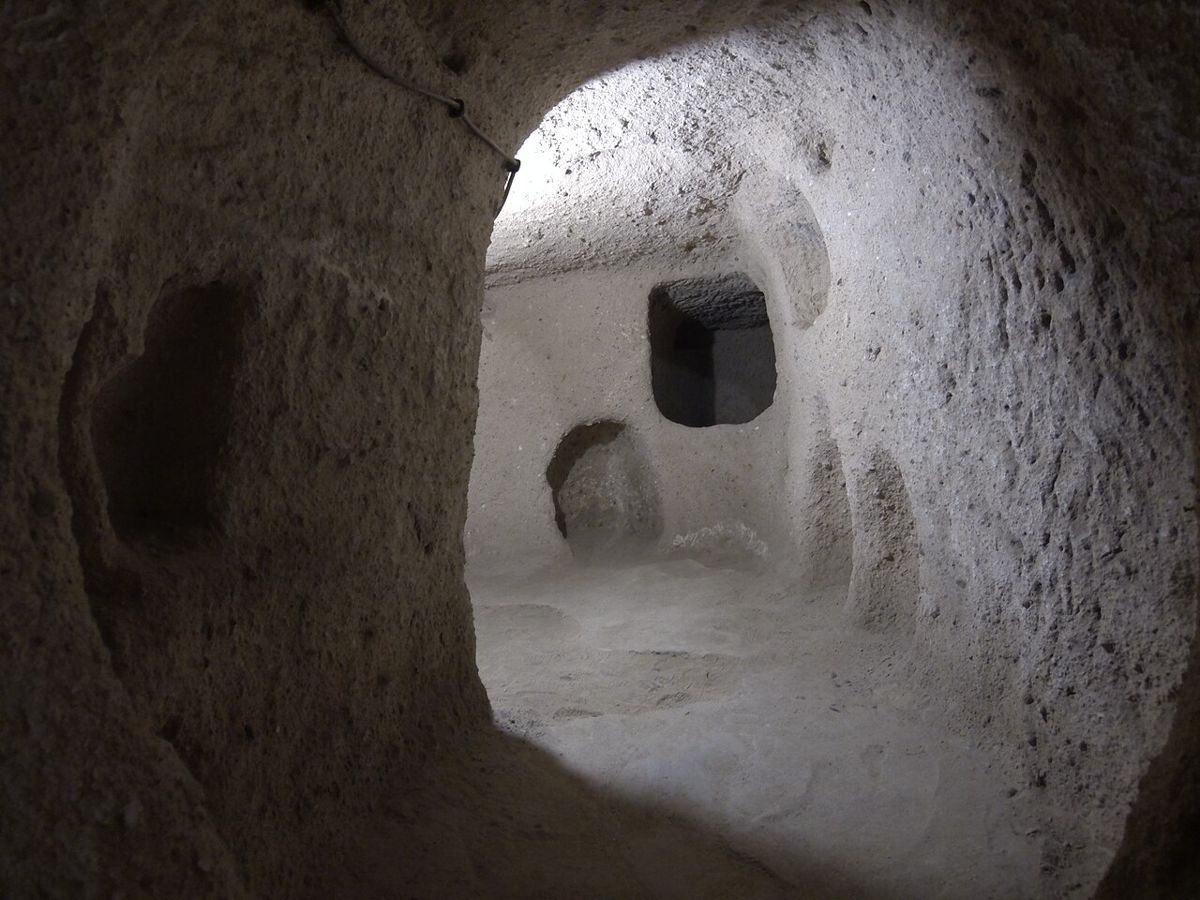
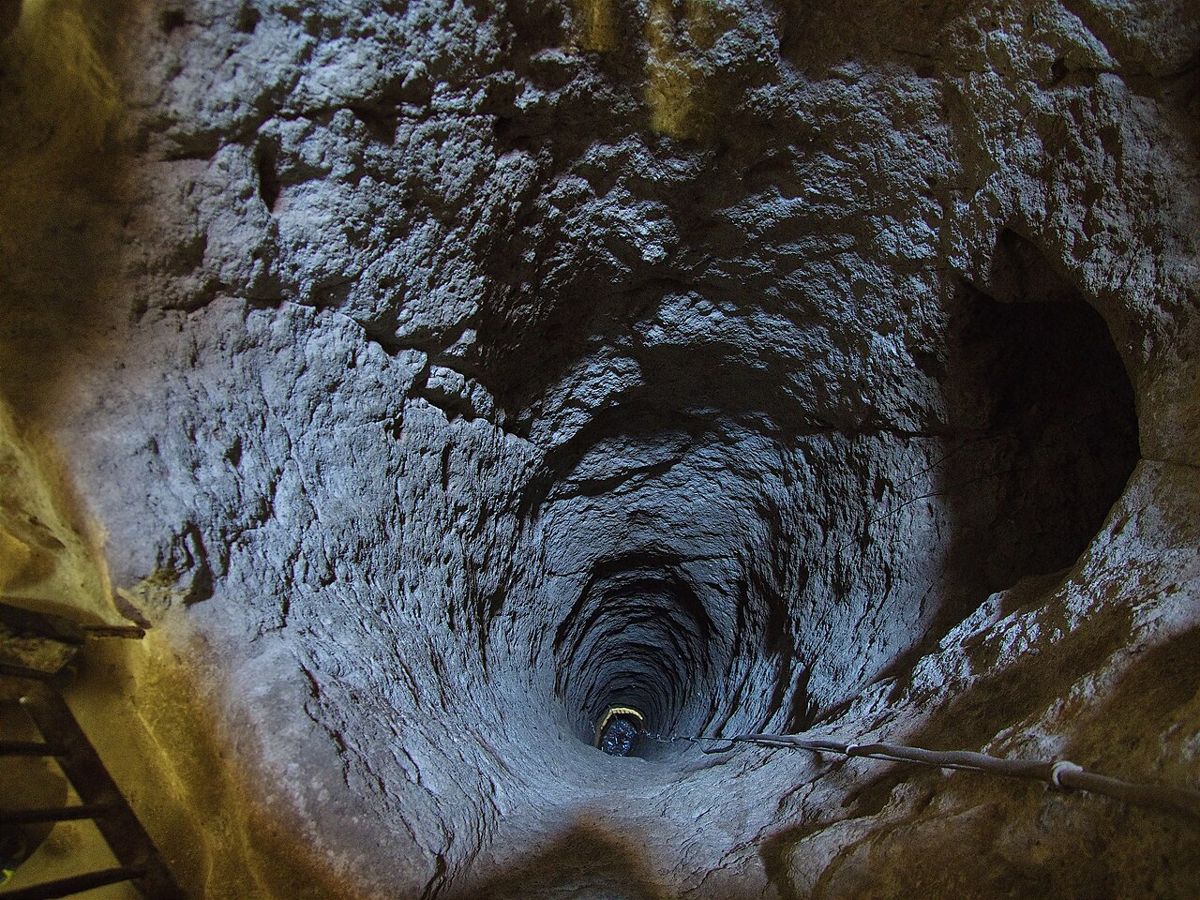
What it is: A multi-level underground settlement carved into the soft rock, with tunnels, storage rooms, stables and ventilation shafts. People in this region used these cities as refuges for centuries. Kaymaklı is the better family choice: the route is more horizontal. Derinkuyu is deeper and tighter (same official foreign-visitor price) if you want the more intense version — most families need only one.

Kids: Secret tunnels and “how did they live down here?” questions. Some passages are low and tight; this can spook a younger child. Hold hands, and skip it if anyone is very uncomfortable in confined spaces. Not ideal for a stroller.

  • ⏱ 45–75 min underground, plus the drive from Göreme (about 20–30 min to Kaymaklı).
  • 🎟️ €13 (≈ $15) foreign visitor at Kaymaklı (official muze.gov.tr e-ticket listing / 2026 ministry tariff). Derinkuyu is the same official price. Official e-tickets on muze.gov.tr. · Buy official Kaymaklı e-ticket →
  • 🌤 Best: Morning, to beat both heat and tour-bus crowds.
  • 💡 Go early. Wear closed shoes you can walk in. If you also plan Göreme, Zelve–Paşabağ and Ihlara, run the numbers on the Museum Pass Cappadocia (€65 (≈ $73) / 3 days) before buying singles.
Basilica CisternBasilica CisternBasilica Cistern📷 1/3
#9Must DoIstanbulHistoryKids

Basilica Cistern

The coolest (literally) ancient interior in Sultanahmet, and a hit with kids.

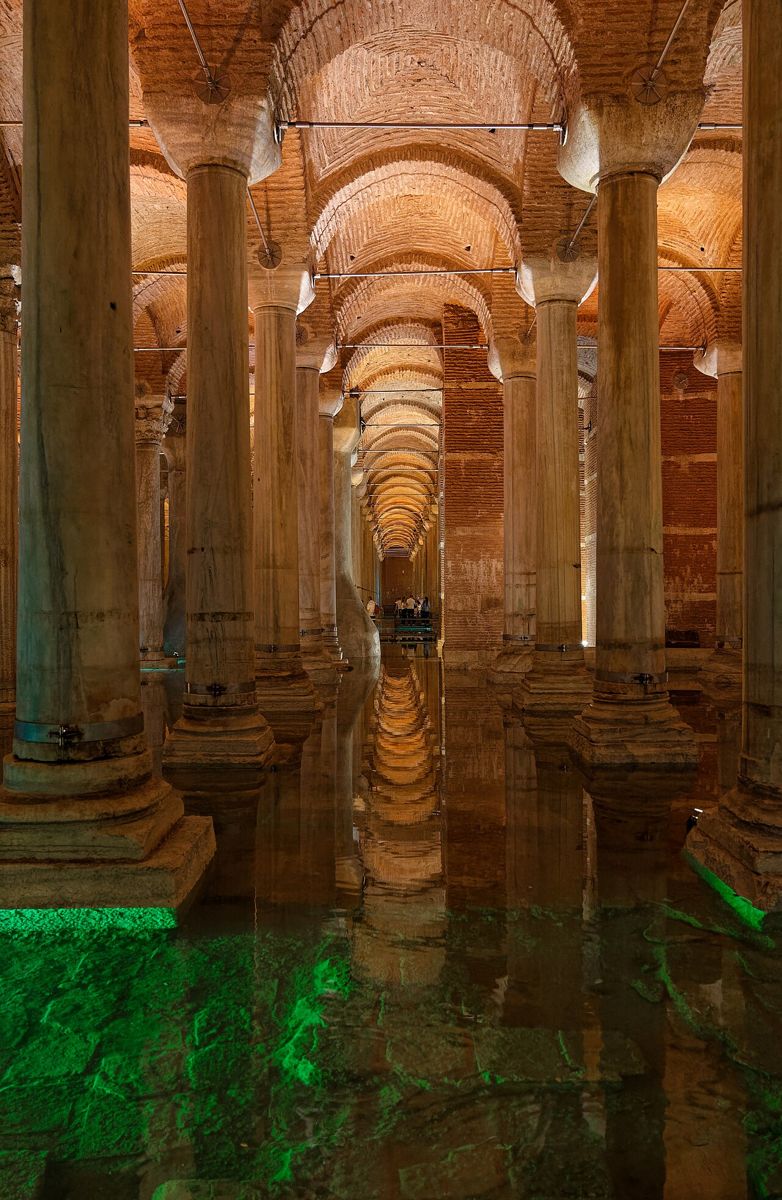
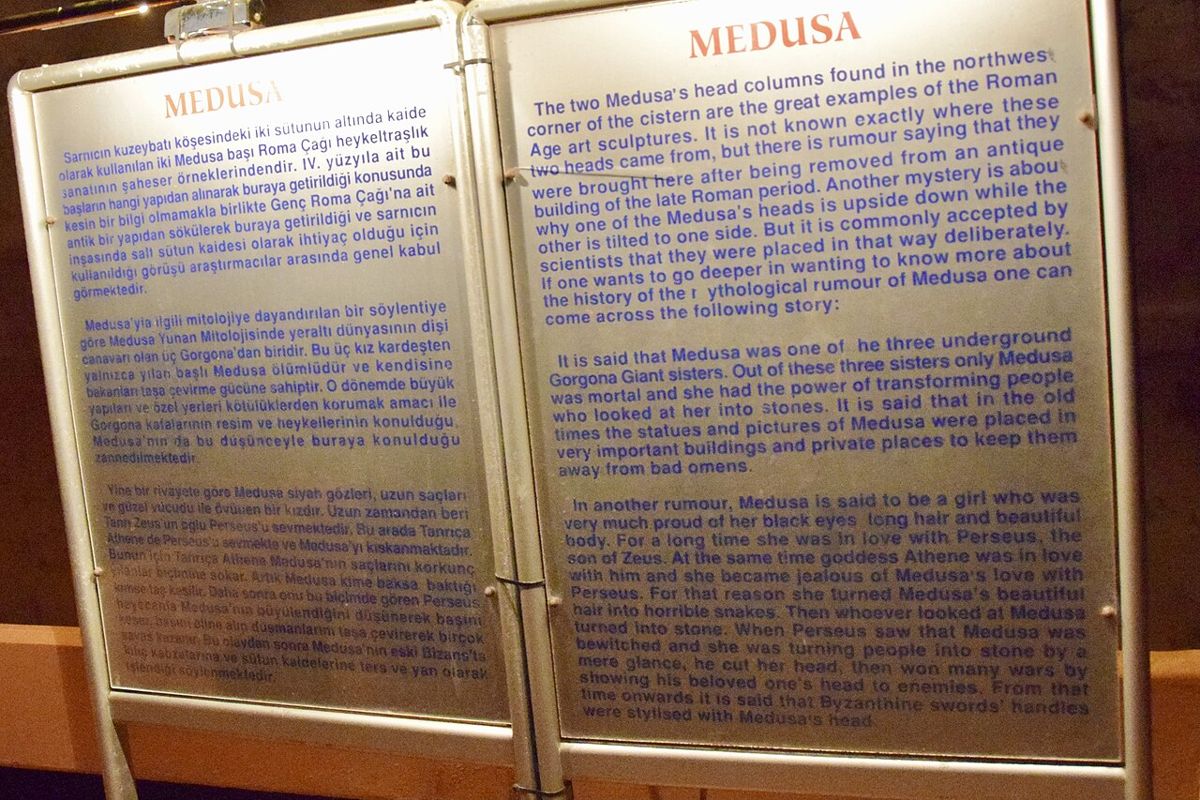
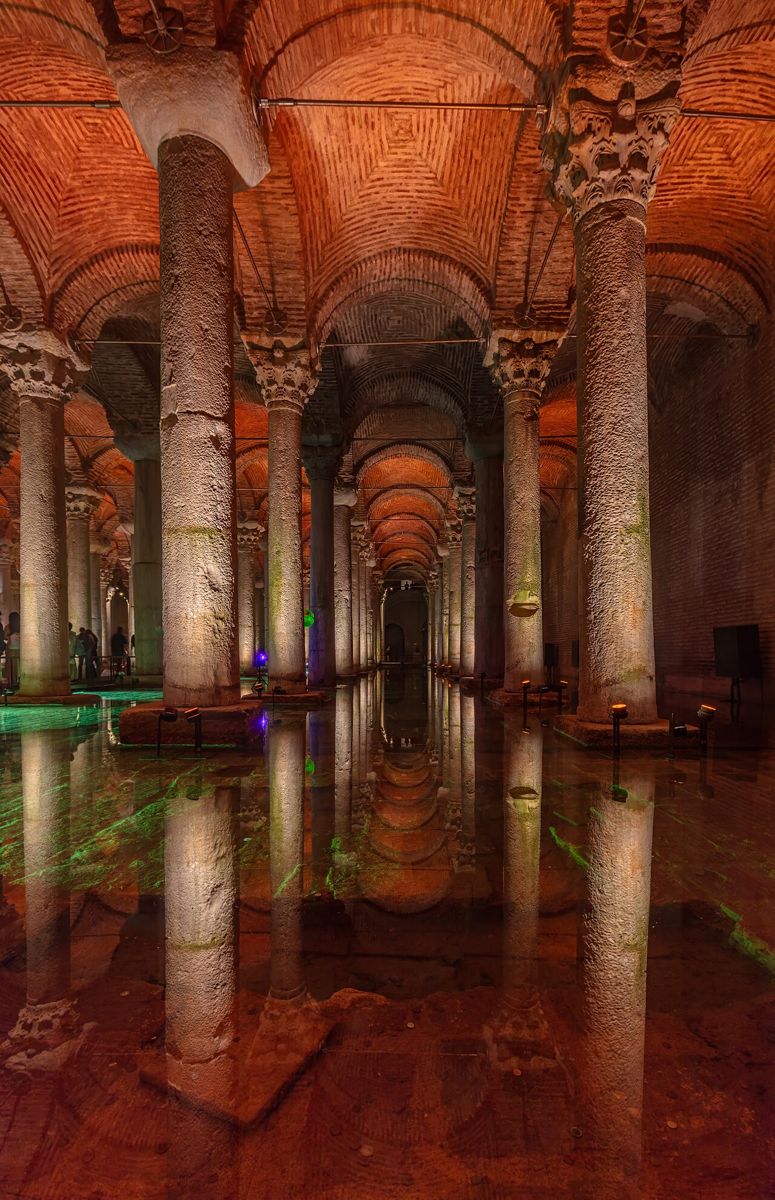
What it is: A vast 6th-century underground cistern a short walk from Hagia Sophia, with hundreds of columns rising out of shallow water. The famous upside-down Medusa-head column bases are at the far end. It is dim, cool and atmospheric — a good midday escape from the heat.

Kids: Underground forest of columns, fish in the water, and the Medusa heads. Walkways can be damp and crowded; hold hands. Some children find it dark or echoey.

  • ⏱ 30–45 min.
  • 🎟️ No official published tariff we could verify after the June 2026 change of operator (from the city to the General Directorate of Foundations). Paid entry resumed; buy at the door or only through a listing that states its own current price. Do not trust an old lira or euro figure from before the handover. · no reliable official online sale found, or price not published
  • 🌤 Best: Midday heat window, or whenever the line is short.
  • 💡 Ask the price at the entrance before you join a long line. Combine with Hagia Sophia or the Blue Mosque the same morning, then come here when the sun is highest.
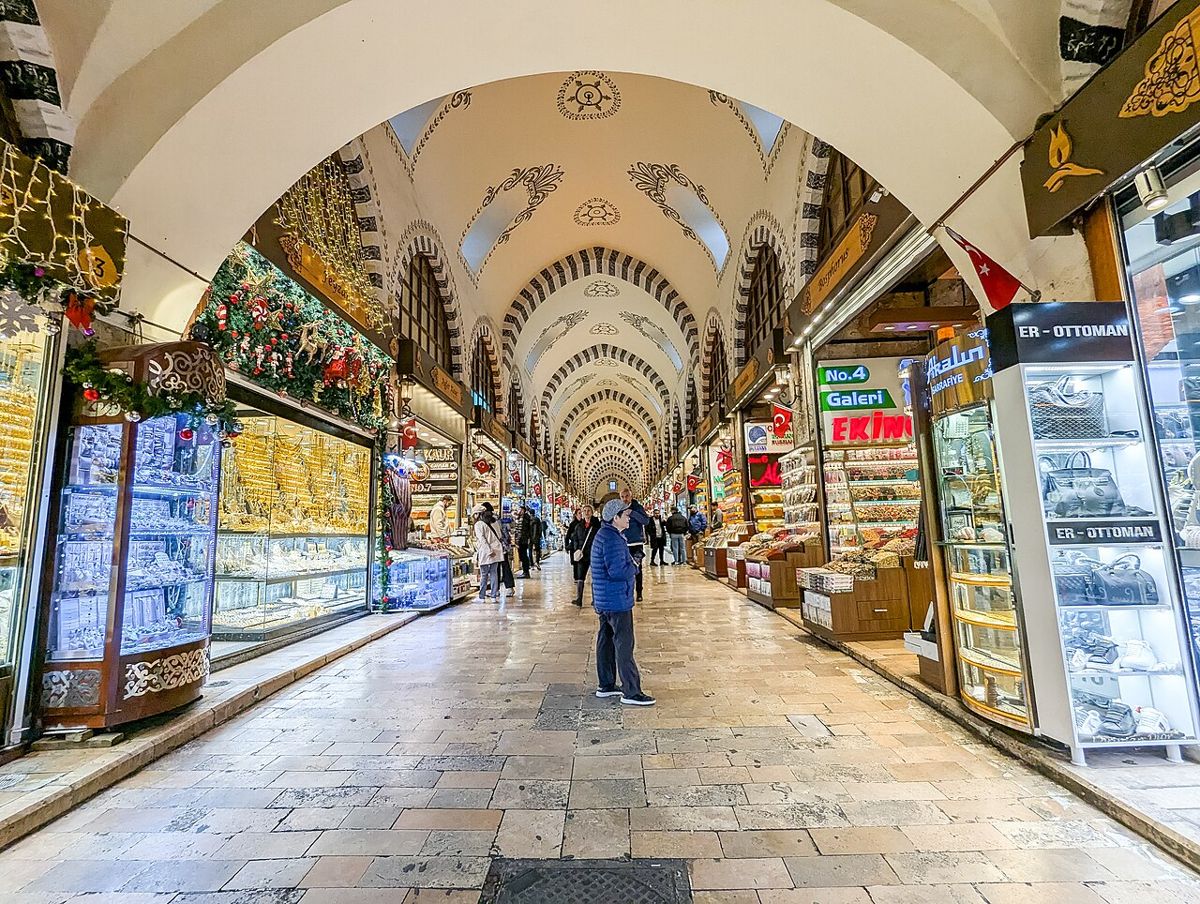
Spice Bazaar (Mısır Çarşısı)Spice Bazaar (Mısır Çarşısı)📷 1/2
#10Must DoIstanbulFoodCultureKids

Spice Bazaar (Mısır Çarşısı)

The best place to look at, smell and taste souvenirs you will actually use — and it sits next to the ferries.

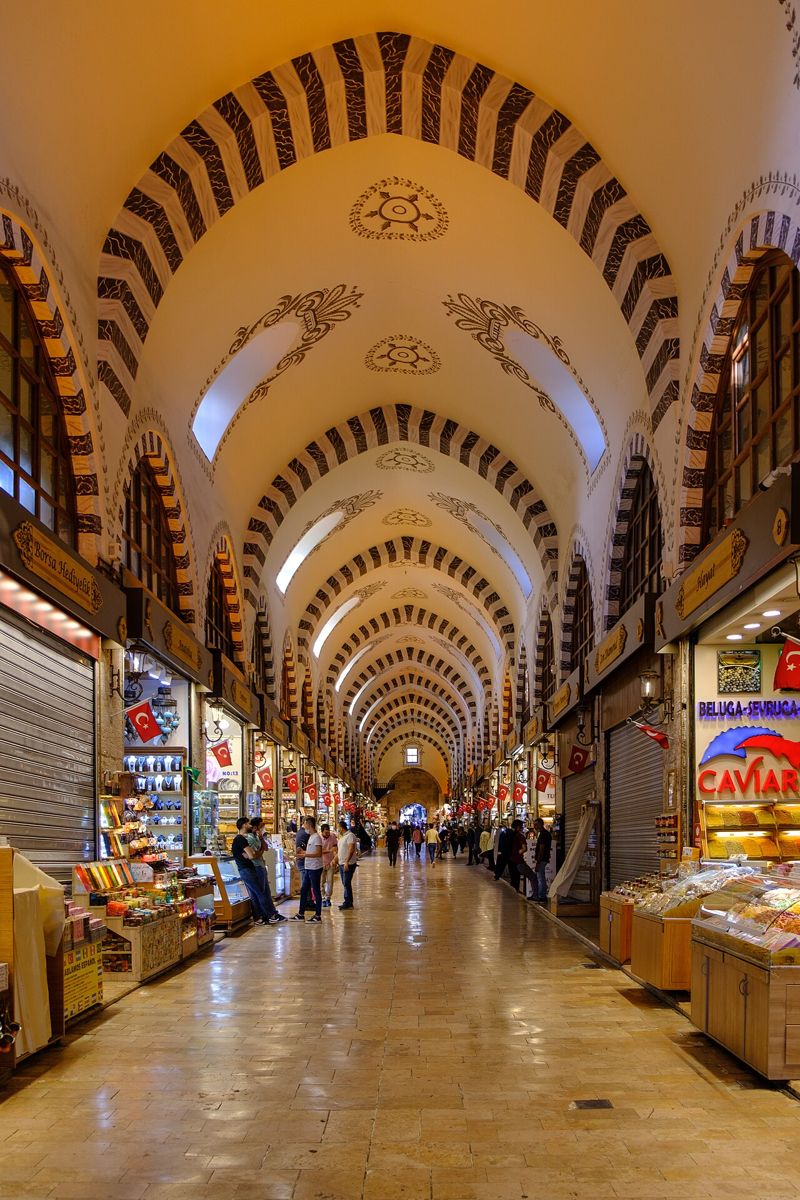
What it is: The smaller, scented market at Eminönü, built in the 1660s as part of the New Mosque complex. Shops sell spices, nuts, lokum (Turkish delight), dried fruit and sweets. It is easier to walk than the Grand Bazaar and sits right by the ferry docks.

Kids: Colors and smells, and a chance to choose a small bag of lokum or dried fruit. Agree prices before anyone tastes a “free” sample that turns into a hard sell.

  • ⏱ 45–75 min. Usually open daily, including Sunday, roughly 08:00–19:30 (confirm near your dates).
  • 🎟️ Free to enter. Small purchases are a better souvenir than a giant spice sack you cannot take home easily.
  • 🌤 Best: Late morning, then walk to the boats.
  • 💡 Pair with the Grand Bazaar in the morning and a ferry afterward. This is a good place to buy lokum after the kids have already tried some from the food list.
Bodrum boat dayBodrum boat dayBodrum boat dayBodrum boat day📷 1/4
#11Must DoBodrumKids

Bodrum boat day

The heat relief the kids will ask to repeat, and the classic Bodrum day.

What it is: A day on the water around the Bodrum peninsula: swimming stops in coves, lunch on board, and views back toward the castle. Shared “blue cruise” day boats leave from the marina; a private boat costs more and is quieter for six people. This is the rest-and-water day after Istanbul and Cappadocia.

Kids: Swimming, jumping in (if the crew allows and everyone can swim or wear a life jacket), and a picnic on the boat. Confirm life jackets in children’s sizes when you book. Shade matters in August.

  • ⏱ A full day, typically about 09:30–16:30 (varies by operator).
  • 🎟️ Shared day boats are a wide range — often on the order of a few tens of euros per person including lunch, but this is a Nov 8, 2026-style estimate, not a booked fare. Private charters cost more. Nothing reserved.
  • 🌤 Best: A calmer mid-stay day in Bodrum, not the arrival afternoon.
  • 💡 Pick a boat with a shaded deck and a proper lunch. If anyone sunburns easily, this is a long day — rash guards, hats, extra water.
Bodrum Castle (Underwater Archaeology Museum)Bodrum Castle (Underwater Archaeology Museum)Bodrum Castle (Underwater Archaeology Museum)📷 1/3
#12Must DoBodrumHistoryKids

Bodrum Castle (Underwater Archaeology Museum)

A real castle plus a world-class shipwreck museum — the culture day in Bodrum.

What it is: A 15th-century castle of the Knights of St. John, built in part with stones from the Mausoleum at Halicarnassus (one of the ancient Seven Wonders). Inside is Türkiye’s museum of underwater archaeology, including finds from the Uluburun shipwreck — a Late Bronze Age trading ship from the 1300s BCE. Towers, courtyards and harbor views come with the ticket.

Kids: Ramparts, towers, cannons and “a ship that sank more than 3,000 years ago.” Some towers have tight stairs; pick a couple rather than doing every one in the heat. Under-8 foreign visitors are listed as free on the official Turkish Museums ticket breakdown.

  • ⏱ 2 hrs. Official hours recently listed 08:30–17:30 (office 17:00) in the winter timetable; summer hours have sometimes run later — check muze.gov.tr for August 2027. Open every day on the current official listing.
  • 🎟️ €20 (≈ $22) foreign visitor for the museum/castle (official muze.gov.tr page, checked Nov 9, 2026). A Serçe Limanı Glass Wreck Hall supplement of €6 (≈ $6.72) appears on some official tariff lists — confirm whether that hall is open (restoration has limited sections at times). Official e-tickets via muze.gov.tr. · Official museum e-tickets →
  • 🌤 Best: Opening time.
  • 💡 Go in the morning, then swim in the afternoon. Confirm which halls are open before you pay, especially if you specifically want the glass wreck or Carian princess displays.
Bodrum swim and beach timeBodrum swim and beach timeBodrum swim and beach time📷 1/3
#13Must DoBodrumKids

Bodrum swim and beach time

Four nights in Bodrum should include real water time, not only the castle.

What it is: Unstructured Aegean swim time — a public beach, a hotel lido if you stay somewhere with a pool, or a cove you reach by dolmuş or taxi. This is not a monument. In August it is how you recover from hot stone courtyards and early balloon mornings.

Kids: Warm sea, snacks, and a break from “look at this church.” Pack reef-safe or regular sunscreen and something for shade.

  • ⏱ A half day or a late afternoon.
  • 🎟️ Public beaches are generally free; umbrellas and loungers at paid beach clubs are extra (prices vary; not verified here).
  • 🌤 Best: Late afternoon, or a full easy day if everyone is tired.
  • 💡 Late afternoon light is easier than midday. If you do a boat day, you may not need a second full beach day — keep one as a buffer.
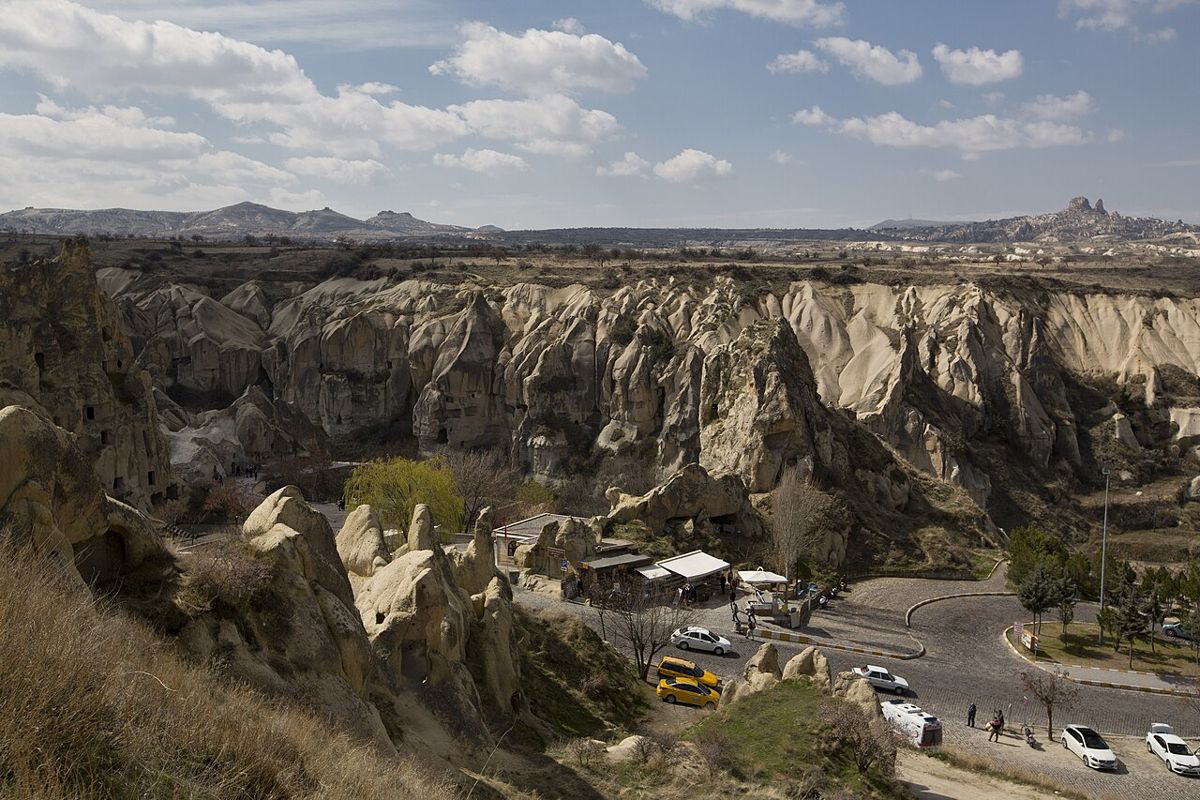
Valley walk (Red, Rose or Love Valley)Valley walk (Red, Rose or Love Valley)Valley walk (Red, Rose or Love Valley)📷 1/3
#14If TimeCappadociaKids

Valley walk (Red, Rose or Love Valley)

The landscape that makes the balloon photos make sense — from the ground, at kid pace.

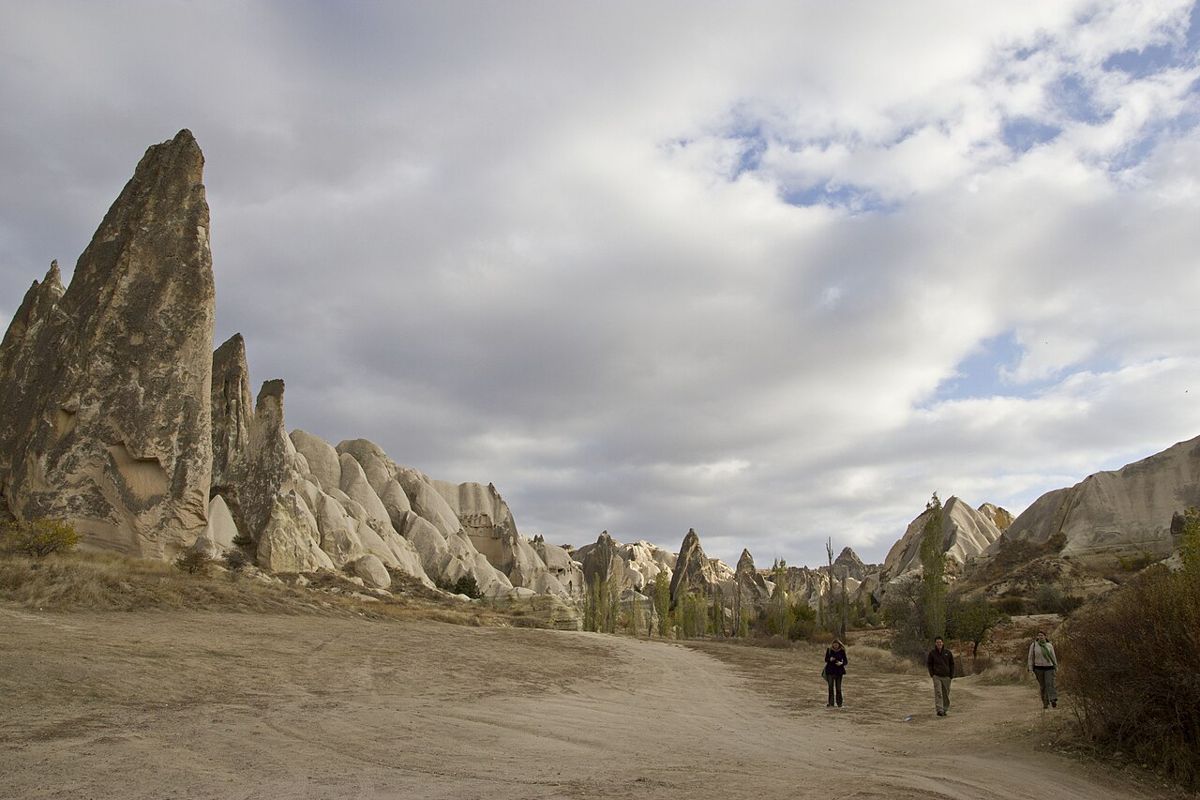
What it is: A hike among the rock pinnacles and pigeon houses in the valleys around Göreme. Red and Rose Valleys are the usual sunset walks; Love Valley has some of the most photographed “fairy chimneys.” Paths are uneven but many stretches are doable with school-age kids if you start early or go late and turn around when anyone has had enough.

Kids: Strange rocks, caves and “are we on another planet?” Short, planned turnaround points work better than a long point-to-point in August.

  • ⏱ 1.5–3 hrs, including the transfer or walk from Göreme.
  • 🎟️ The valleys themselves are generally free to walk. Some trailheads or viewpoints near Zelve–Paşabağ are ticketed ministry sites (€12 (≈ $13) for the Zelve–Paşabağ ticket in the 2026 official tariff) if you go in that way.
  • 🌤 Best: Late afternoon into sunset, or very early.
  • 💡 Sunrise or late afternoon only in August. Closed shoes, water, hats. A local guide is optional, not required, for the main valleys above Göreme.
Galata TowerGalata TowerGalata Tower📷 1/3
#15If TimeIstanbulKids

Galata Tower

The classic Istanbul viewpoint — skippable if the line is long or everyone is already tired from Topkapı.

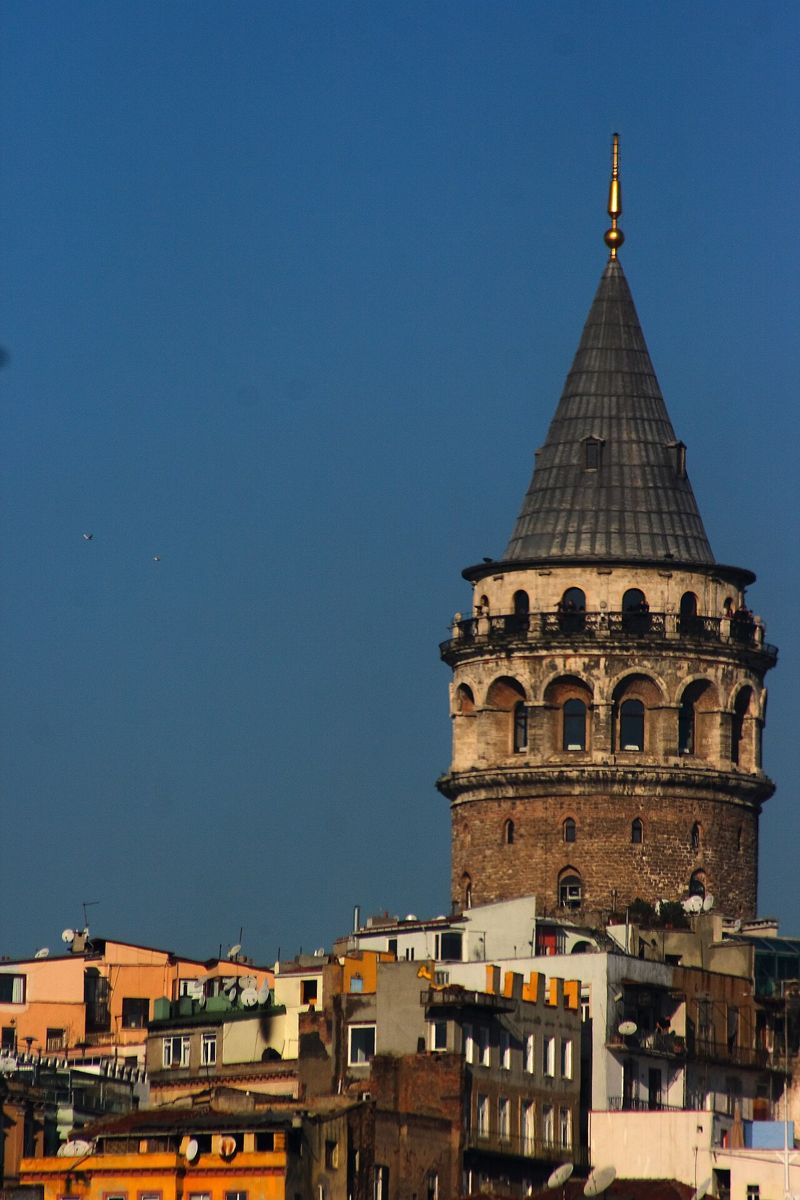
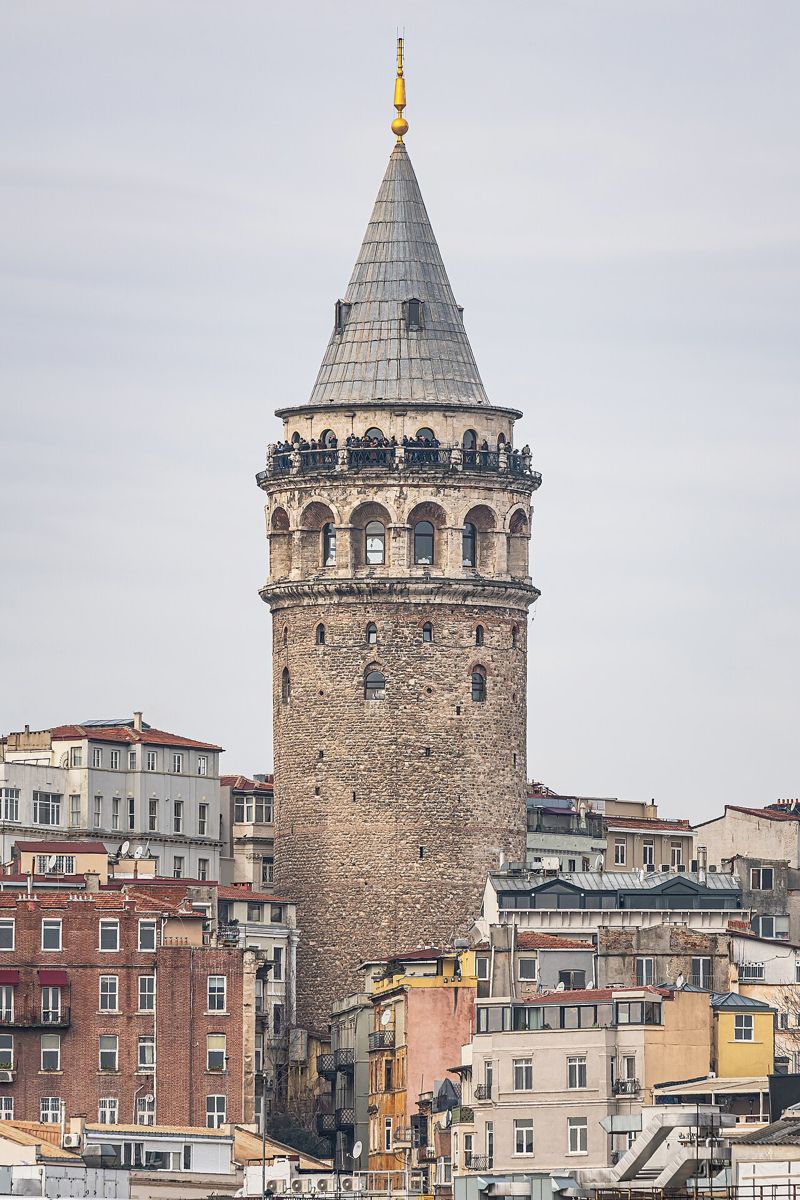
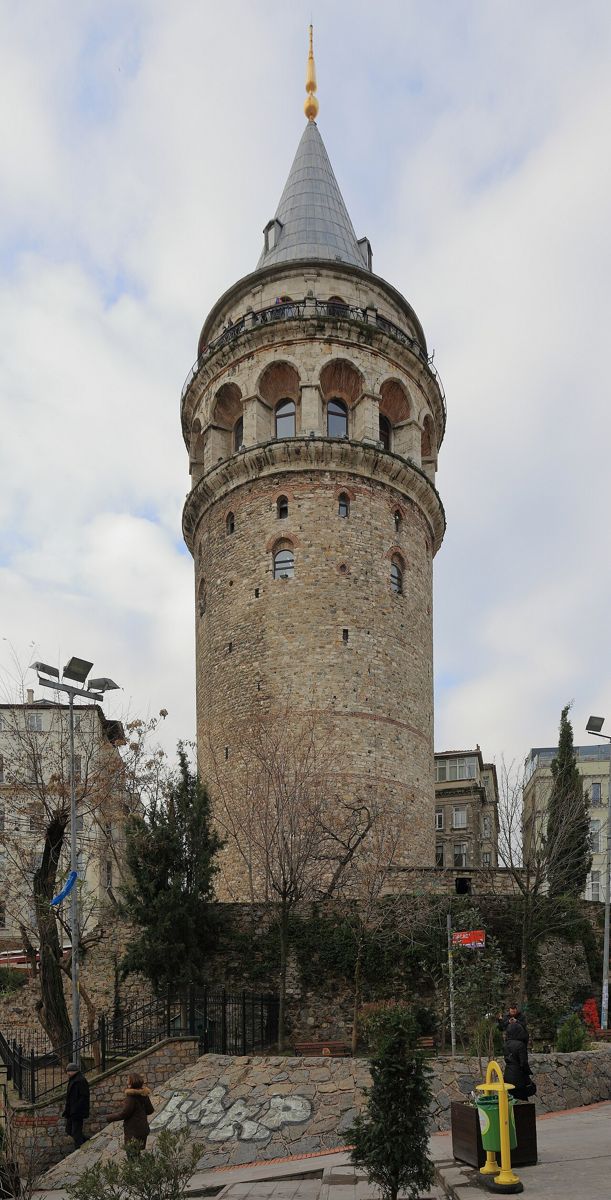
What it is: A medieval stone tower on the north side of the Golden Horn, rebuilt over centuries and now a museum with a 360-degree view of the old city, the water and the modern skyline. You go up (elevator plus some stairs) and walk the narrow gallery.

Kids: The view is the reward. The walkway is narrow and can feel high; hold onto younger children.

  • ⏱ 45–75 min including the line.
  • 🎟️ €30 (≈ $34) foreign visitor (official Galata Tower site, checked Nov 9, 2026). Open daily; last entry is listed at 22:00, with the tower open 08:30–23:00. Museum Pass covers this site (daytime rules can differ from the evening session). · Official museum e-tickets →
  • 🌤 Best: Opening time or late afternoon.
  • 💡 Go late in the day if you want softer light, or first thing to avoid the line. Pair with a wander down through Galata and Karaköy, or skip it and take a ferry instead — the view from the water is free.
Süleymaniye MosqueSüleymaniye MosqueSüleymaniye Mosque📷 1/3
#16If TimeIstanbulCulture

Süleymaniye Mosque

The most peaceful “big mosque” visit in the old city, with a better view than you expect.

What it is: Mimar Sinan’s great 1550s imperial mosque on the Third Hill, with a calm courtyard and a terrace looking over the Golden Horn. It is a working mosque, usually less crowded than the Blue Mosque, and it costs nothing to visit outside prayer times.

Kids: Courtyard space to breathe after the bazaar. Same mosque manners as elsewhere.

  • ⏱ 30–45 min. Closed to tourists during prayers; Friday midday is the long pause.
  • 🎟️ Free. Same modest-dress rules as other working mosques.
  • 🌤 Best: Late morning or late afternoon, not prayer time.
  • 💡 A good add-on after the Grand Bazaar (it sits just uphill). Do not rush it on the same morning as Hagia Sophia and Topkapı.
Asian-side ferry to KadıköyAsian-side ferry to KadıköyAsian-side ferry to Kadıköy📷 1/3
#17If TimeIstanbulFoodKids

Asian-side ferry to Kadıköy

The easiest way to see “everyday Istanbul” and cross to Asia with almost no planning.

What it is: A short public ferry from Eminönü or Karaköy to Kadıköy on the Asian shore, then a walk through the market streets, bakeries and fish stalls of a living neighborhood that is not built around monuments. You eat, wander and ferry back.

Kids: The ferry is the main event. Keep the walk short and snack-led (simit, pickles, a juice stand).

  • ⏱ Half a day including the crossing, or a late-afternoon outing.
  • 🎟️ Ferry fares are inexpensive on an Istanbulkart (check Şehir Hatları for the current amount). Food is whatever you choose. · Şehir Hatları →
  • 🌤 Best: Late afternoon, when the heat eases and the market is still open.
  • 💡 This can replace a tourist Bosphorus cruise if you already did a short ferry and want neighborhood time instead of more palaces.
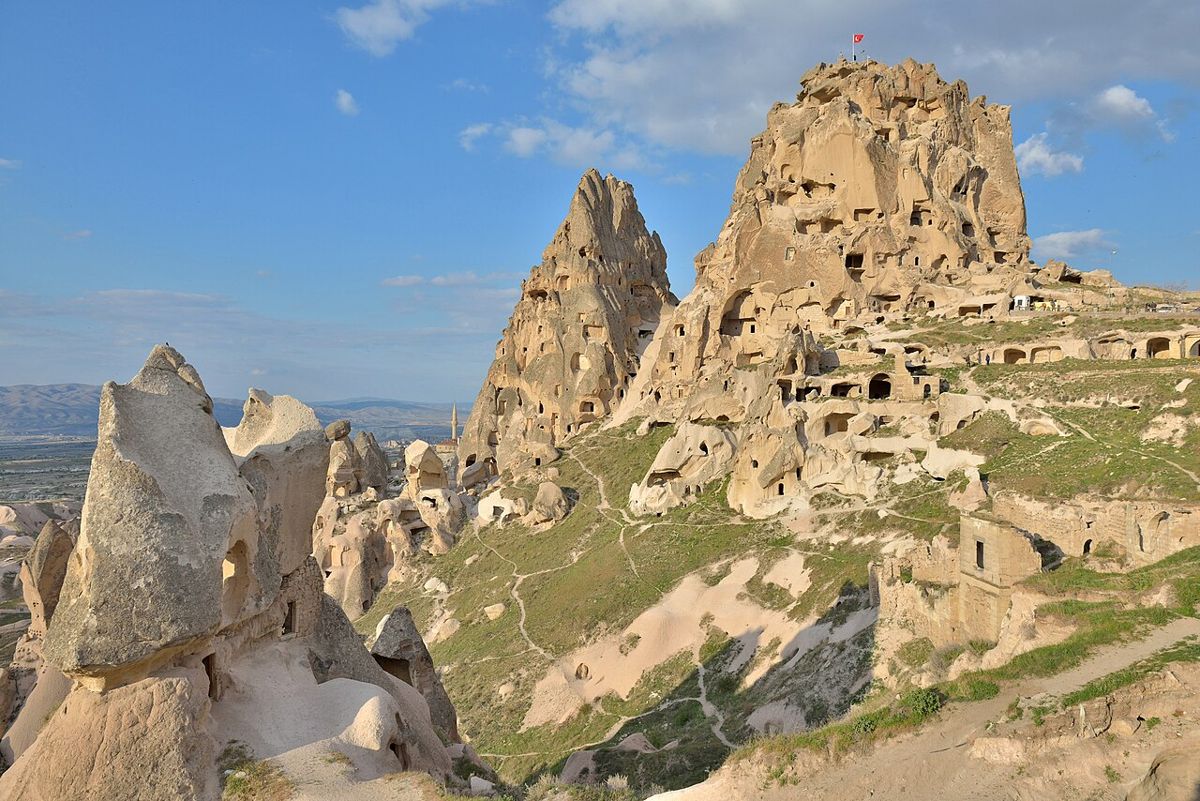
Üçhisar Castle viewpointÜçhisar Castle viewpointÜçhisar Castle viewpoint📷 1/3
#18If TimeCappadociaKids

Üçhisar Castle viewpoint

The widest ground-level view in central Cappadocia, close to Göreme.

What it is: A natural rock citadel — the highest point in the Göreme area — carved with old rooms and tunnels and used as a fortress. You climb for a wide view over the valleys. Some interiors have been closed or limited at times; the view is the reason to go.

Kids: A “castle” climb and a huge view. Stairs and drop-offs: hold hands and turn around if it feels exposed.

  • ⏱ 45–75 min, plus the short drive or a longer walk from Göreme.
  • 🎟️ A modest site ticket is usually charged; we did not get a confirmed official 2026 foreign-visitor fare we were happy quoting, so treat any number you see online as unverified until you check at the gate or on muze.gov.tr. · no reliable official online sale found, or price not published
  • 🌤 Best: Late afternoon.
  • 💡 Sunset is popular and hot in August if you climb too early in the evening glare — late afternoon is enough. This is optional if you already did a valley walk with a view.
Family cooking classFamily cooking classFamily cooking class📷 1/3
#19If TimeIstanbulFoodCultureKids

Family cooking class

The most useful souvenir is knowing how to make one of these dishes.

What it is: A hands-on class — often starting in a market — where you make a few home-style dishes (gözleme, meze, a stew or baklava) and then eat them. Istanbul and Cappadocia both have family-friendly classes. This is the “take the skill home” version of the food list.

Kids: Mixing, rolling dough, and eating what they made. Look for a class that says it takes children, and tell them about nut allergies (pistachios in baklava, walnuts, hazelnuts) before you book.

  • ⏱ 3–5 hrs including a market stop, if there is one.
  • 🎟️ Varies a lot by workshop — often on the order of €40–90 (≈ $45–$101)+ per person in recent listings. That is a rough research estimate, not a reservation. Nothing booked.
  • 🌤 Best: A mid-stay morning in Istanbul, or a non-balloon morning in Cappadocia.
  • 💡 Book once dates and energy levels are firm. A Cappadocia class can be a good balloon-cancellation backup if you find one that starts late morning.
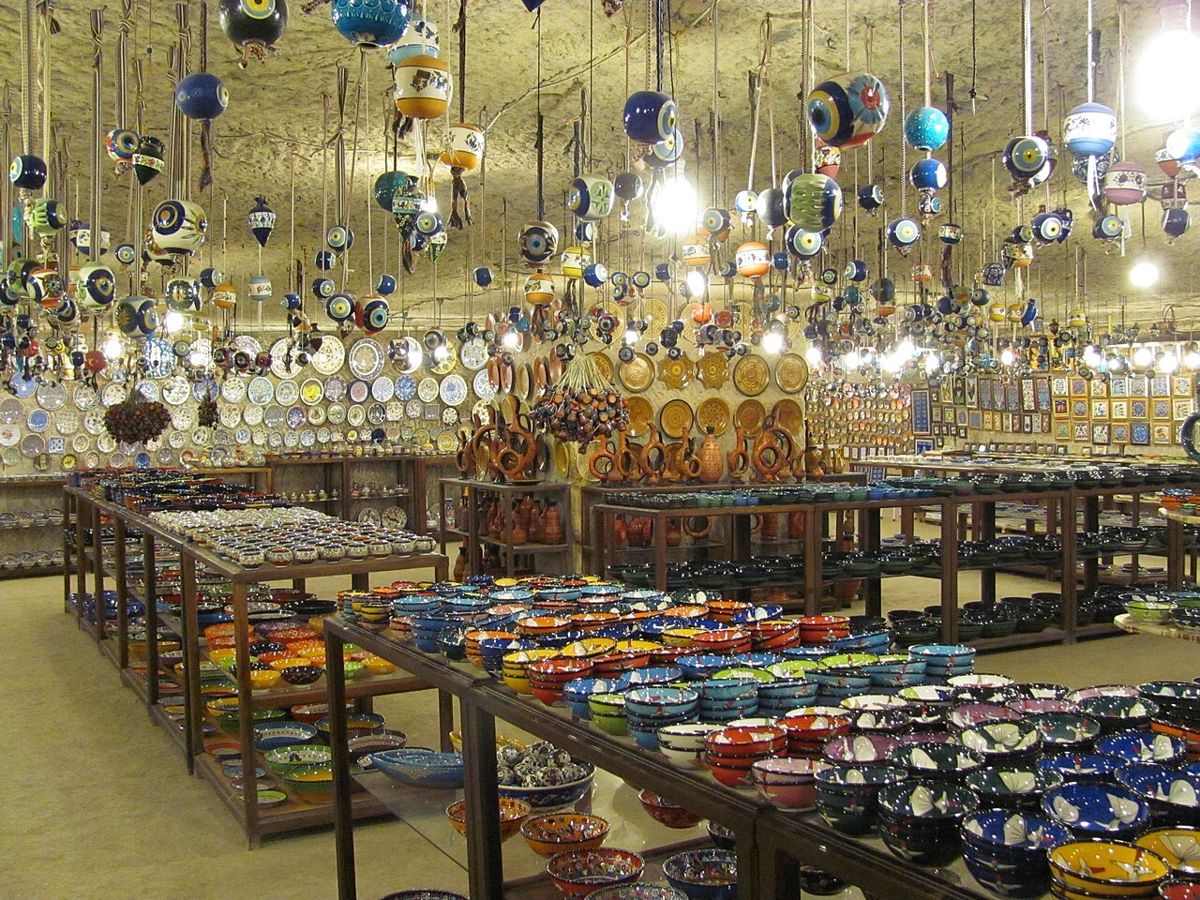
Avanos pottery workshop
#20If TimeCappadociaCultureKids

Avanos pottery workshop

A hands-on craft hour that fits naturally after an underground-city morning.

What it is: Avanos, on the Kızılırmak (Red River), has been a pottery town for centuries because of its red clay. Many workshops let you watch a thrower at the wheel and, in family-oriented studios, try a short turn yourself. Buy only if you want something — the demonstration should not require a purchase.

Kids: Wet clay and a spinning wheel. Aprons and a “one pot, not a masterpiece” attitude help.

  • ⏱ 45–90 min in town, plus the drive from Göreme (about 20 min).
  • 🎟️ Watching is often free or included in a tour; a hands-on turn may have a small fee. Unverified, operator by operator.
  • 🌤 Best: Late morning, after the underground city.
  • 💡 Pick a workshop that looks like a working studio, not only a showroom. This pairs well with Kaymaklı the same day if you keep the afternoon slow.
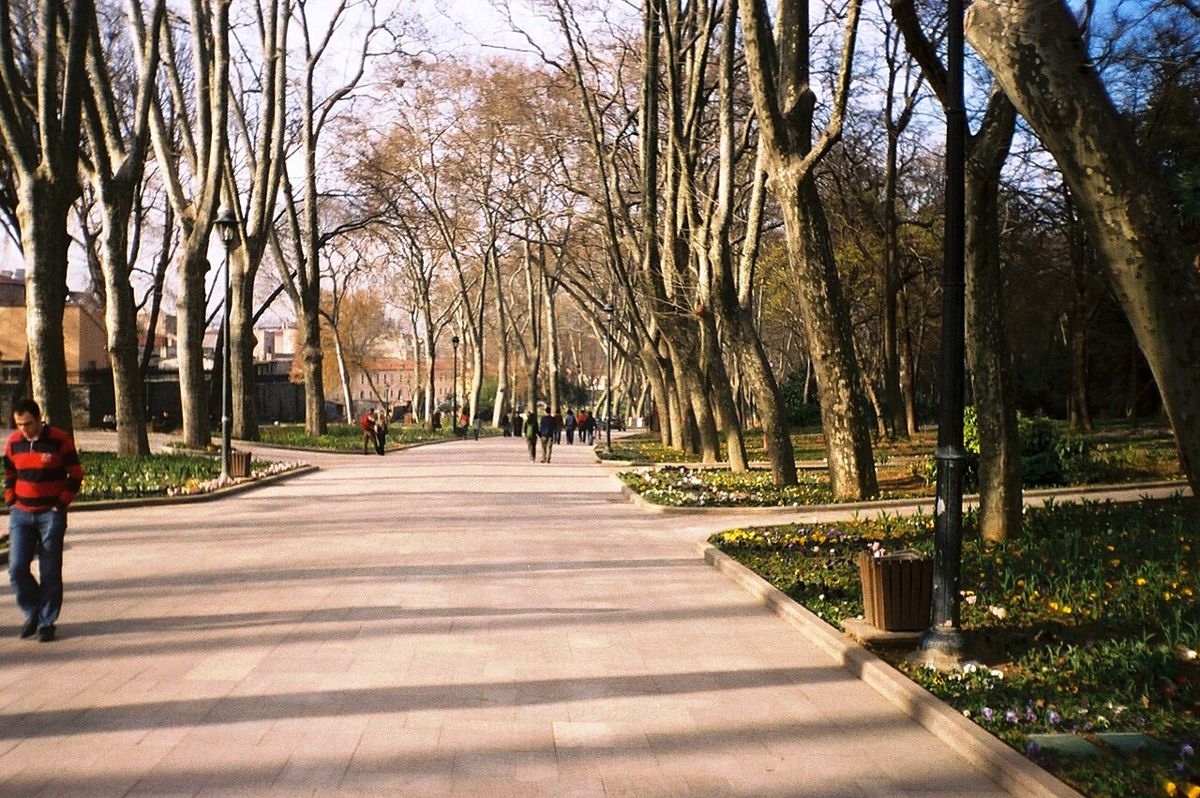
Gülhane ParkGülhane Park📷 1/2
#21SkippableIstanbulKids

Gülhane Park

A free shade break, not a destination you build the day around.

What it is: The old imperial gardens just outside Topkapı, now a public park with shade, paths and a café terrace toward the Bosphorus. It is not a ticketed sight. It is the easiest place in Sultanahmet to let kids run after a palace or mosque morning.

Kids: Grass, shade, space to move, and a possible ice-cream (dondurma) stop nearby.

  • ⏱ 30–60 min.
  • 🎟️ Free.
  • 🌤 Best: Midday, when you need shade.
  • 💡 Use it as the rest after Topkapı or Hagia Sophia, not as a separate outing.
Dolmabahçe PalaceDolmabahçe Palace📷 1/2
#22SkippableIstanbulHistory

Dolmabahçe Palace

Beautiful, but it duplicates “palace” after Topkapı — only go if the group still wants another interior.

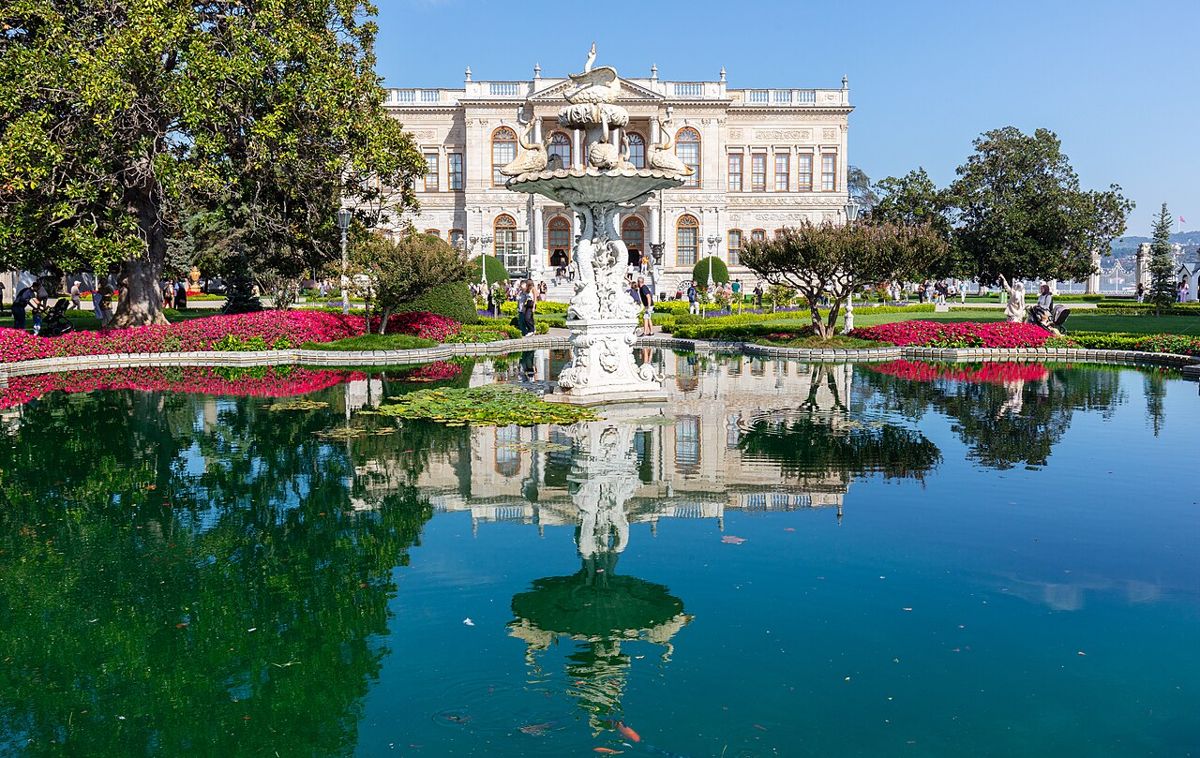
What it is: The 19th-century European-style palace on the Bosphorus that replaced Topkapı as the sultans’ main home. Crystal staircases, huge ceremonial rooms, and a formal waterside setting. It is a separate trip from the historic peninsula (tram or taxi to Kabataş) and is closed on Mondays.

Kids: The staircase and the waterside garden are the hook. Lots of “don’t touch” rooms; less running-around space than Topkapı’s courtyards.

  • ⏱ 1.5–2 hrs. Closed Mondays. Ticket office commonly 09:00–17:00.
  • 🎟️ Combined ticket listed at 2,000 TRY (≈ $40) on 2026 National Palaces / roundup listings (checked against November 2026 guides; confirm on millisaraylar.gov.tr). Not on the ministry Museum Pass.
  • 🌤 Best: Opening time, Tuesday–Sunday.
  • 💡 Skip this if Topkapı already filled the palace slot. If you go, combine it with a ferry or a walk in that part of Beşiktaş, not with a packed Sultanahmet morning.

Suggested Day-by-Day

A heat-aware outline that matches the 14-night routing. Swap freely. Jul 27, 2027 is a Tuesday — Topkapı is closed Tuesdays, which is fine on arrival day. If you fly TK202, a Jul 27 arrival means departing Denver the evening of Jul 26. The whole calendar can slide ±2 days.

Heads Up ⚠️

Read the official pages before you go: U.S. State Department Türkiye advisory and UK FCDO advice. This is a short family brief, not a substitute for those pages.

☀️ Heat
  • Late July and early August are among the hottest weeks of the year. Do the big outdoor sights at opening time, eat a proper lunch, then rest through the peak afternoon heat. Save interiors (cistern, underground city, museums, bazaars) for when the sun is worst.
  • Hats, refillable bottles, sunscreen, and a slow pace with a 6- and 9-to-10-year-old. Cappadocia nights can feel surprisingly cool after a hot day.
🕌 Dress at mosques
  • Shoulders and knees covered for everyone. Women cover hair inside working mosques (Blue Mosque, Süleymaniye, and the prayer hall of Hagia Sophia). Scarves and wraps are often sold or loaned at the door.
  • Hagia Sophia’s official page also asks visitors not to photograph people at prayer, and to fold strollers on historic floors in the visiting area.
👜 Crowds, scams and pickpockets
  • Sultanahmet, the Grand Bazaar and İstiklal are crowded in summer. Crossbody bags in front; phones not in back pockets.
  • Unsolicited “help” toward a shop, a restaurant, or a “closed” entrance is a classic pattern — thank them and use your own map. Agree taxi fares or confirm the meter; official apps (BiTaksi and similar) are often simpler for a family of six.
💊 Health and water
  • Tap water is widely treated in big cities, but many visitors still prefer bottled or filtered water, especially with kids. Busy restaurants and bakeries are the safer everyday bet.
  • Travel insurance with medical cover is strongly recommended.
📞 Emergencies & U.S. help
  • Emergency (police, ambulance, fire): 112
  • U.S. Embassy Ankara and U.S. Consulate General Istanbul: start at tr.usembassy.gov for current addresses and after-hours numbers. Enroll in STEP before travel.

Map

The three stops, plus the main sights.

Practical

🛂 Entry / e-Visa
U.S. ordinary passport holders are exempt from a visa for tourism or transit up to 90 days in any 180-day period (Turkish Ministry of Foreign Affairs, checked Nov 9, 2026). Official or service passports still need a visa. Passports should be valid at least 60 days beyond the length of stay. If anyone is not traveling on a U.S. ordinary passport, check the same MFA page and evisa.gov.tr.
💵 Money
The currency is the Turkish lira (TRY, ₺). Cards work in most restaurants, hotels and official ticket offices; carry cash for small bakeries, bazaar stalls and tips. ATMs are widely available. The lira moves around — don’t change more than you need on day one. See the rate strip at the top.
✈️ Internal flights
The usual hops are Istanbul (IST or SAW) → Cappadocia (NAV or ASR), then Cappadocia → Bodrum (BJV), then Bodrum → Istanbul. The Nov 8, 2026 research brief put these at about $40–80 per person per leg — a research estimate, not a current 2027 fare. Summer seats go early; book once dates are firm. Allow plenty of time between a balloon morning and an afternoon flight.
🚐 Getting around
Istanbul: tram T1 in Sultanahmet, ferries across the Bosphorus (the most fun way for kids), metro, and taxis or a ride-hail app for six people with jet lag. An Istanbulkart covers transit. Cappadocia: a private driver or day tours between villages; Göreme itself is walkable. Bodrum: walk the old town and castle; dolmuş minibuses and taxis for beaches; the boat day includes transfers.
🌡️ Heat plan
Typical late-July / early-August weather (climate normals, not a 2027 forecast): Istanbul often around 28–32°C (low 80s–90°F) and humid; Cappadocia hot and dry by day with cooler nights; Bodrum often 32–36°C (90s°F) and very sunny, sea roughly mid-70s to low-80s°F. Start at opening time, rest mid-afternoon, eat late.
👗 Mosque dress
Pack light layers that cover shoulders and knees, plus a scarf for Ashley, Hazel and Rowen (and a spare). It is much easier than buying something at the door in the heat.
🎟️ Tickets to buy once dates are firm
Hagia Sophia (official DEM site), Göreme Open-Air Museum and an underground city (muze.gov.tr e-tickets), Bodrum Castle, and a licensed Cappadocia balloon operator — balloons book out in peak summer and cancel often for wind. Topkapı may need to be bought at the gate (see that tile). Nothing here is reserved.
💳 Points & flights
TK202/TK201 is the nonstop to watch. Award seats and hotel points were part of the Nov 8, 2026 research and are not re-priced in this starter guide. Do not transfer points until six award seats (and rooms, if using points hotels) are actually confirmed.
Family Favorites ♡

Tap the heart on any card while you browse together. Saved on this phone or browser only.

No favorites yet — go heart some ideas!